  1. Home
  2. Computing
  3. Legacy Archives

Dell in Talks with Google about Chrome OS

Add as a preferred source on Google
Image used with permission by copyright holder

It’s no secret that Google is getting ready to launch its lightweight Chrome OS later this year—but if the company wants to carve out a market against industry-dominating Microsoft Windows, it’s going to need to partner with computer makers to get Chrome OS pre-installed on new computers. Today, Reuters is reporting that number-three computer maker Dell is in talks with Google about putting Chrome OS on computers…although no details have been released.

Reuters quotes Dell’s president for Greater China and South Asia Amit Midha as saying talks are underway, but that there weren’t yet any firm announcements to be made.

Recommended Videos

Google’s Chrome OS is intended to be a lightweight, fast-booting operating system that, at least initially, targets comparatively low-power and consumer-oriented computing platforms like netbooks. Like Google’s Android operating system, aimed at mobile devices, Chrome OS has been open sourced, so OEMs and developers can build their own variations and solutions, and Chrome OS in term can leverage innovations added to the open source repository. Chrome OS will be almost entirely Web-focused, and an emphasis on providing a solid foundation for cloud-based storage, applications, and services, rather than running local applications and making users manage a file system.

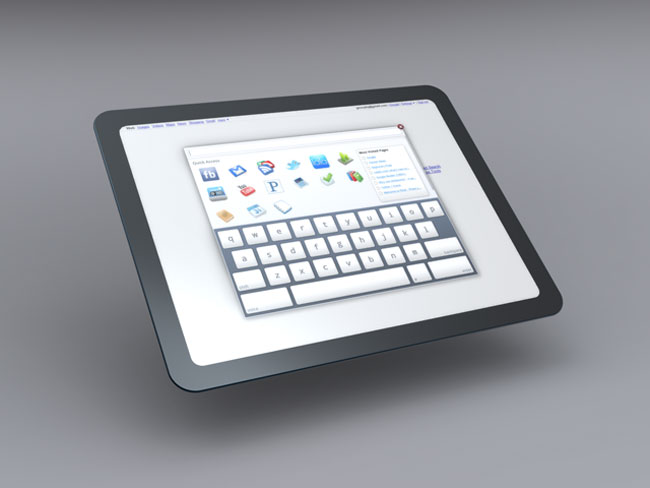
Earlier this month, Google announced it expects Chrome OS will be available on computers this fall; Google has also been working on designs for Chrome OS tablets that could potentially compete with the likes of the Apple iPad.

Geoff Duncan
Former Contributor
Geoff Duncan writes, programs, edits, plays music, and delights in making software misbehave. He's probably the only member…
Apple fixes Hide My Email bug that exposed users’ real email addresses
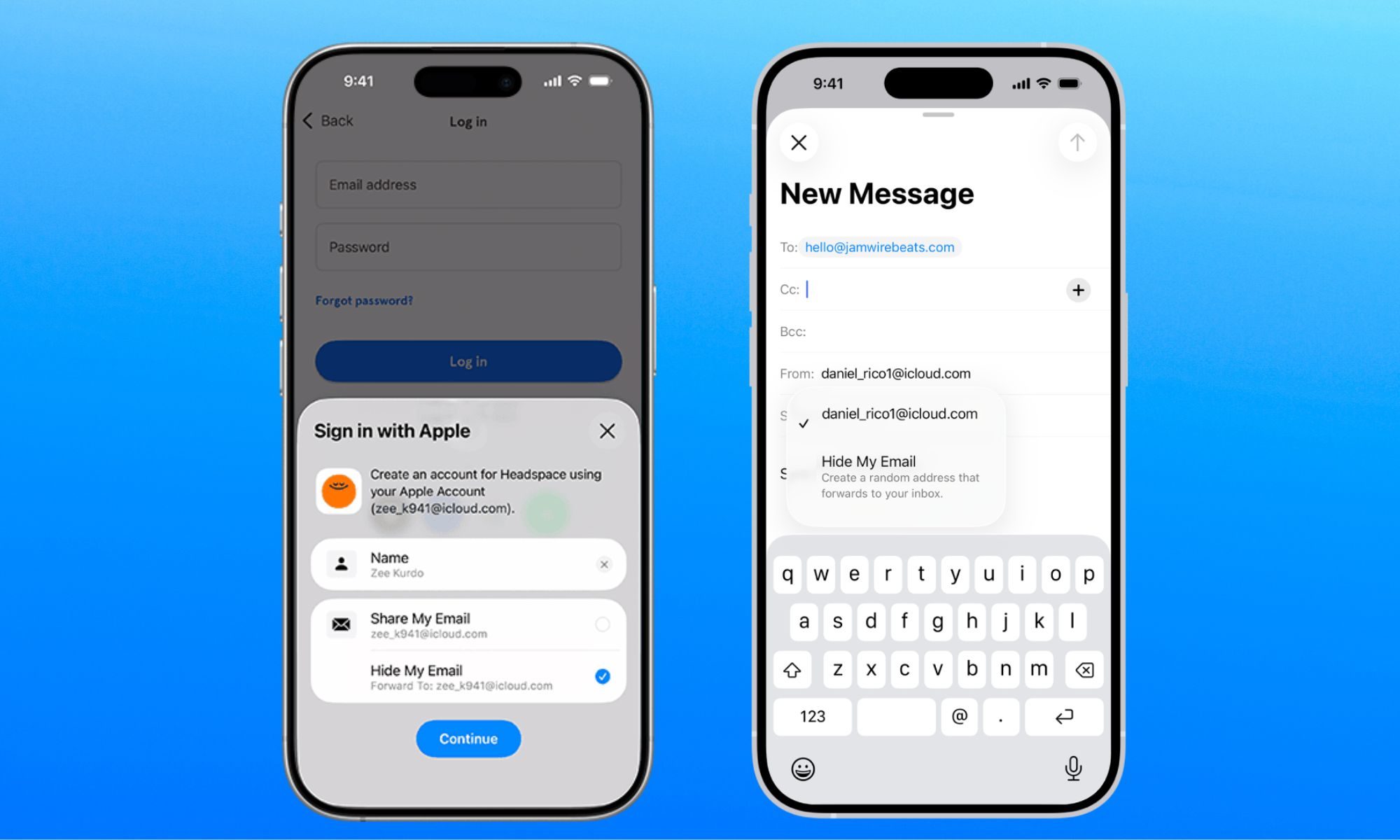
Here's how Apple's Hide My Email flaw leaked real addresses for over a year, and why it only got fixed once the story went public.
apple-merging-sign-in-with-apple-hide-my-email-icloud+

Turns out the "Hide" part of Hide My Email wasn't doing its job quite as advertised, something that I covered early in July. Security researcher Tyler Murphy reported the flaw in June 2025, but despite Apple claiming it was resolved in March 2026, independent tests confirmed it remained exploitable, at least until July 3, 2026.

So how did this bug actually work?

Read more
Gemini Notebook’s new Collections arrive just as Google turns it into a bigger workspace
Google is cleaning up notebook organization as the former NotebookLM expands across Gemini and Search
Gemini Notebook branding on a MacBook

Google has barely finished renaming NotebookLM, and it’s already addressing one of the headaches that comes with building a large research library.

Collections are rolling out to all Gemini Notebook users, giving them a way to group related notebooks while keeping everything visible under My Notebooks. The dashboard gets some structure without asking users to rearrange the library they’ve already built.

Read more
Samsung’s humanoid robot ambitions are real, but factories come first
Samsung’s new robotics division has humanoids in its sights, although its immediate business is far more practical factory automation
Robot Touch Human Finger

Samsung wants a place in the humanoid race, but its new robotics push begins with machines built for factories rather than homes.

The CEO-led RX robotics division will initially focus on manufacturing robots. Samsung has separately identified humanoids as a priority, although it hasn’t announced a commercial model or explained where one fits into the division’s immediate plans.

Read more