1. Home
  2. Phones
  3. Mobile
  4. News

LG’s new foldable display bends both ways and doesn’t crease

Add as a preferred source on Google

LG says it’s developed a new material that can create displays with “a surface as hard as glass and folding parts as flexible as plastic.”

Called “Real Folding Window,” the new material could revolutionize flexible smartphone displays, paving the way for durable screens that eliminate troubling issues such as creasing. The new technology also enables both inward and outward bending,  an exciting prospect that could lead to completely new handset designs.
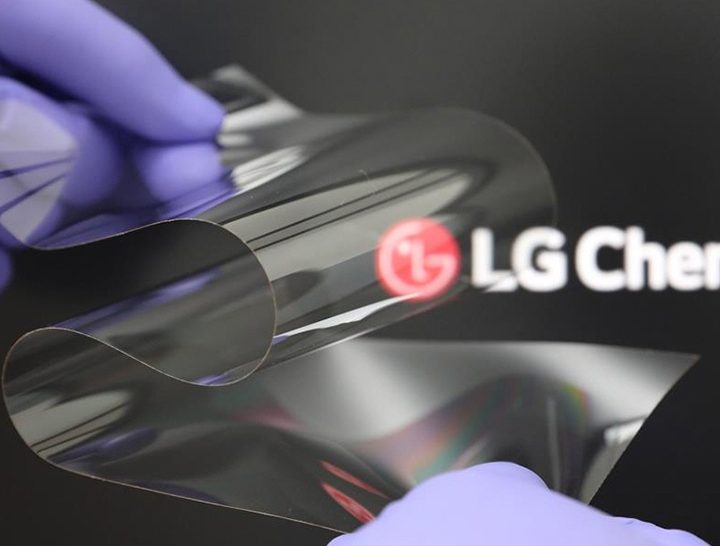
LG's new "folding window display" material.
LG

LG’s description of its newly developed technology is light on detail, saying only that it involves the application of a thin layer of “a new material” to both sides of PET film — a type of thin plastic — which is then placed on a flexible display panel.

Recommended Videos

A spokesperson for the Korean tech company said that, unlike existing solutions, LG’s new coating technologies “will maximize flexibility, while also providing optimized solutions for foldable phones such as making improvements to chronic issues like fold impressions on the connecting part of the screen.”

LG said it plans to launch the product for handset makers in 2023, with tablet and laptop makers offered the same technology a short while later. It added that it’s already received interest from “multiple clients,” though it declined to name any of them.

The new technology could help other phone makers compete with Samsung, the current leader when it comes to foldable phones. Not about to rest on its laurels, Samsung is also keen to improve the display technology for its range of foldable handsets, which includes the recently released Galaxy Z Fold 3, This device, it’s worth noting, has received praise for the durability of its inner display.

While LG has stopped making its own smartphones, the company clearly sees great value in pursuing the development of handset components for others in the game. And with data from research firm Omdia suggesting the global foldable smartphone market will grow from 3.5 million units in 2020 to 50 million by 2026, it could certainly be on to something.

Interested in getting yourself a folding phone? Digital Trends can throw some light on the best ones currently available.

Trevor Mogg
Contributing Editor
Not so many moons ago, Trevor moved from one tea-loving island nation that drives on the left (Britain) to another (Japan)…
TSMC might set up a price hike that could come straight for your next phone, laptop, or tablet
Here's what TSMC's rumored 10% chip price increase actually means in dollar terms, and why your next phone or laptop could end up costing more.
TSMC Fab

My wallet flinched the second I saw the words "TSMC" and "price increase" in the same headline, and honestly, yours should too.

Turns out the company behind the silicon powering basically every flagship device out there, including Apple’s A-series and Qualcomm’s Snapdragon processors, is reportedly about to make all of it a little pricier.

Read more
Samsung’s free storage doubling for preorders is gone in Austria, and the replacement isn’t as sweet
Samsung's free storage doubling deal might just be history.
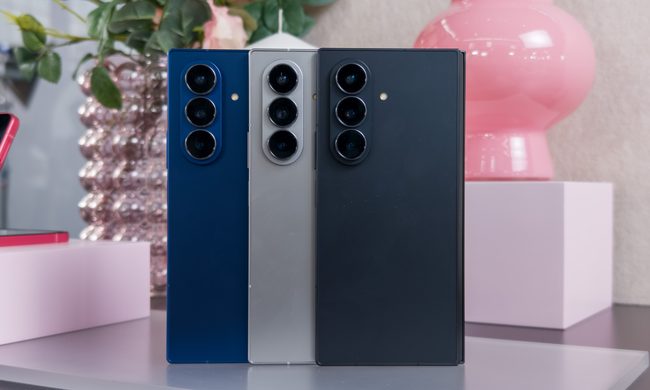
The back of the Galaxy Z Fold 7

If you've pre-ordered a Samsung foldable purely for the free storage bump, tomorrow's Unpacked event might sting a little.

For years, pre-ordering a new Galaxy meant automatically getting double the storage at no additional charge. Buy the 128GB model, walk away with 256GB for the same price. The same applied to the 256GB and 512GB models. However, that might change at the upcoming Galaxy Unpacked event. 

Read more
Apple fixes Hide My Email bug that exposed users’ real email addresses
Here's how Apple's Hide My Email flaw leaked real addresses for over a year, and why it only got fixed once the story went public.
apple-merging-sign-in-with-apple-hide-my-email-icloud+

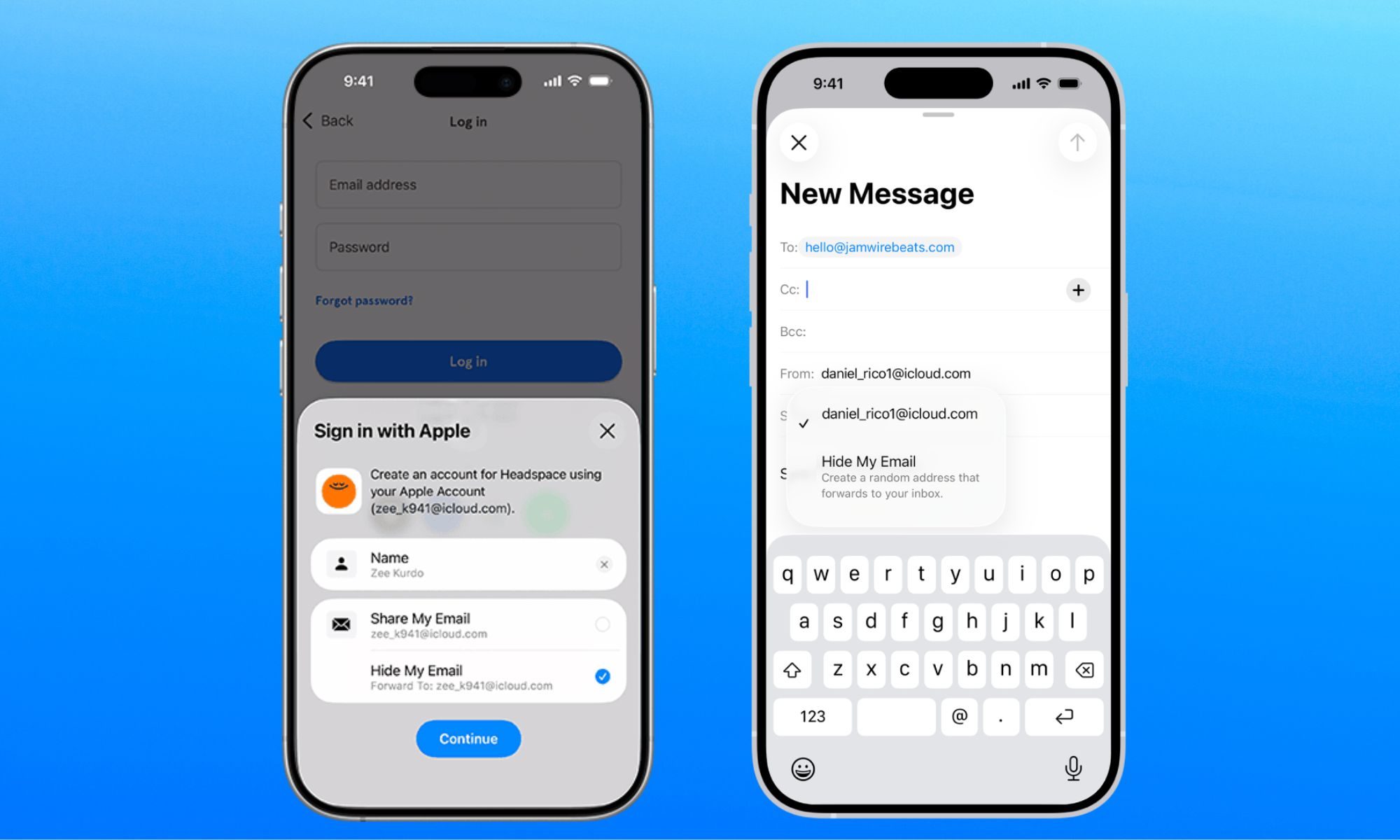
Turns out the "Hide" part of Hide My Email wasn't doing its job quite as advertised, something that I covered early in July. Security researcher Tyler Murphy reported the flaw in June 2025, but despite Apple claiming it was resolved in March 2026, independent tests confirmed it remained exploitable, at least until July 3, 2026.

So how did this bug actually work?

Read more