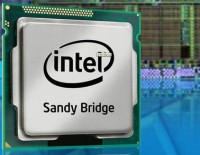
Intel formally announced the latest generation of its Core processor line—codenamed Sandy Bridge—back at CES to much fanfare—only to be forced to backpedal this week by announcing a recall of existing Sandy Bridge products due to a flaw in the SATA controller. Even though the problem only impacts the Series 6 “Cougar Point” part of the line, hardware problems of this nature are expensive, and Intel estimates it will spend some $700 million to recall existing products, implement the fix, and get new chips out to computer makers and OEMs.
Now computer makers Dell and HP are announcing how they will handle matters for early-adopter customers who immediately jumped on the Sandy Bridge bandwagon. In a post to the company’s blog, Dell says it expects to get corrected chipsets from Intel in April, and will offer impacted customers a new motherboard at no cost under Dell’s warranty and service terms. Customers will also have the option of returning the impacted systems to Dell under the company’s return policies. What are those policies? Customers will need to check with Dell, since they vary my market region.
The Sandy Bridge recall affects four existing Dell products—the XPS 8300, the Vostro 460, the Alienware M17x, and the Alienware Aurora R3. Dell said the recall also impacts planned products, including an XPS 17 unit with 3D capability.
Computer maker Hewlett-Packard has yet to release a definitive statement on how it will handle repairs or replacements for computers impacted by the Sandy Bridge problem, although company representatives are now consistently saying that customers can return the products to HP within a standard 21-day window for a full refund or in exchange for a comparable product. HP has also postponed a media event for next week that was aimed at demonstrating new business notebooks; the company has not said whether those Sandy Bridge-based systems are now delayed.
Electronics giant Samsung has also announced it will be offering refunds to customers who purchased Sandy Bridge PCs.
Intel has said that it shipped 8 million flawed chipsets to computer makers and device manufacturers; all the chipsets are scheduled to be replaced. Intel expects to begin delivering corrected chips to system makers this month, will full production underway by April.