  1. Home
  2. Computing
  3. Mobile
  4. Legacy Archives

HP snubs Windows, plans to integrate webOS into PCs

Add as a preferred source on Google
hp-web-os-pcs-desktops
Image used with permission by copyright holder

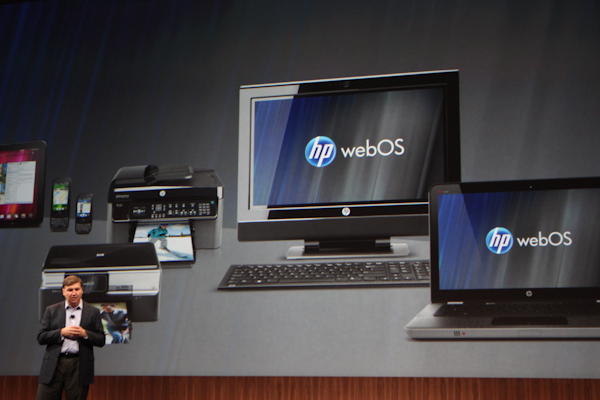
Today, HP has shown that it plans to stand behind Palm’s WebOS in a monumental way. After announcing three new WebOS products–the HP Veer, Palm Pre 3, and HP TouchPad tablet–and reaffirming its dedication to WebOS, HP dropped a bomb; the world’s largest computer manufacturer will be putting WebOS on its printers, laptops, and desktop PCs next year.

“I’m excited to announce our plans to bring the WebOS to the device that has the biggest reach of all: the personal computer,” said Todd Bradley, head of HP’s clients group. “Do the math on two PCs per second. You easily exceed 100 million devices with WebOS deployed annually. That’s the start of something pretty big.”

Recommended Videos

HP claims it has 1 billion computer customers worldwide and sells 2 PCs every second, which means more than 170,000 HP PCs are sold per day. The company claims it is about “delivering experiences” and will modify WebOS for the personal computer and begin shipping it, presumably, on all or a majority of its laptops.

HP made no mention of Windows or if the company will still sell Microsoft’s operating system, which is a vital resource for many businesses. Though many consumers could switch operating systems on a dime, most businesses cannot. It’s likely that HP will continue selling Windows in some fashion, for the time being.

Jeffrey Van Camp
As DT's Deputy Editor, Jeff helps oversee editorial operations at Digital Trends. Previously, he ran the site's…
The Best Password Managers for 2026
As online security evolves, so should the way you protect your accounts
password manager on a mac.

Think about how many online accounts you use in a typical week. Between work, banking, shopping, streaming, social media, and everything in between, it's easy to end up managing dozens of passwords. Remembering a different, secure password for every account simply isn't realistic, which is why so many people fall back on reusing the same login across multiple websites. That's a recipe for disaster, if you ask any cybersecurity expert.

If you're in a conundrum on how to safely handle digital privacy, password managers are a reliable solution. Rather than trying to remember every single password yourself, a credentials manager tool securely stores your login details, creates stronger passwords for new accounts, and automatically fills them in whenever you need them.

Read more
Amazon and Walmart’s AI can spot fake ‘Made in USA’ labels but won’t tell you, says study
The same chatbot that happily discusses "Made in China" claims stays silent on "Made in USA" ones.
amazon-join-the-chat-ai

When you ask an AI shopping assistant to help you find products, you probably expect it to point out misleading listings too. According to a new study, both Amazon and Walmart's AI tools can detect fake "Made in USA" claims. However, the study claims that retailers are not using those capabilities to flag or remove the misleading listings, even when the AI recognizes conflicting information on the same product page.

How did the researchers catch this fraud?

Read more
Samsung lays out grim pricing prophecy for mobile and PC gear
Memory shortage could get worse in 2027 and last through 2028
Electronics, Phone, Mobile Phone

Samsung warned in April that the memory shortage could get worse in 2027. Three months later, the company’s outlook has become even more troubling for anyone planning to buy a new phone, laptop, gaming PC, or another device packed with memory and storage.

During its Q2 2026 earnings call, Samsung said demand is still running far ahead of supply and that orders it cannot fulfil this year are likely to spill into the next. The company now expects the shortage to persist through 2028, extending its earlier warning by another year.

Read more