  1. Home
  2. Computing
  3. Mobile
  4. Legacy Archives

Nexus S 4G announced, Sprint and Google Voice numbers interchangeable without porting

Add as a preferred source on Google

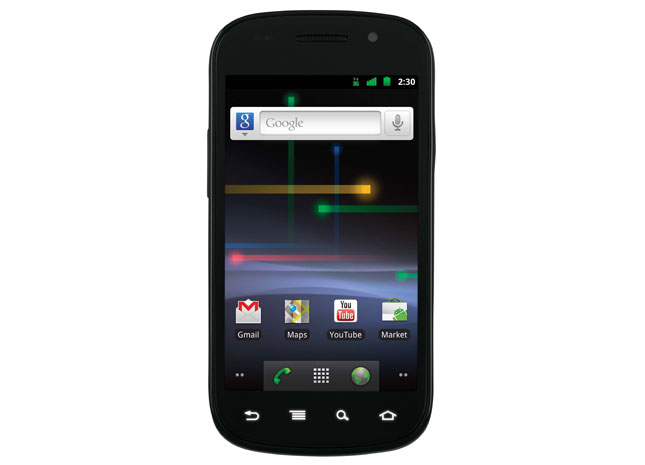
Google Nexus SSprint may not be too happy with the AT&T acquisition of T-Mobile, but there are still reasons for the company to celebrate today. A now-removed listing on its website revealed that Nexus S is coming to the network with “fully integrated” support for Google Voice, Engadget reports.

“Use the same number for all your calls and get cool features like voicemail transcription, Web calling and more,” a search on Sprint’s website for “nexus” revealed before it was removed. With the wireless provider’s CTIA presentation coming later today, you can expect the listing to be restored in short order.

Recommended Videos

Why wait though? The new Nexus S has already been confirmed and revealed on the Google Mobile Blog in a post this morning. Some technical details about the phone are also revealed, which you can read right here:

“We co-developed Nexus S 4G with Samsung to tightly integrate hardware and software and highlight the advancements of Gingerbread. Nexus S 4G takes advantage of Sprint’s high-speed 4G data network. It features a 4” Contour Display designed to fit comfortably in the palm of your hand and along the side of your face. It also features a 1GHz Hummingbird processor, front and rear facing cameras, 16GB of internal memory, and NFC (near field communication) hardware that lets you read information from everyday objects that have NFC tags.”

Google also included a link to its Google Voice Blog in the Nexus S 4G reveal post, offering some details of how the Sprint integration works with a new video. Sprint and Google Voice phone numbers will be interchangeable, meaning that users will be able to use either one on their phones without porting it over while also gaining the benefits of Google’s service, which includes having one phone number ring across multiple phones. The integration also replaces Sprint’s voicemail service with Google Voice.

Here’s the video, which lays out all of the details described above in a friendly voice, with soothing music and bright colors:


Adam Rosenberg
Former Gaming/Movies Editor
Previously, Adam worked in the games press as a freelance writer and critic for a range of outlets, including Digital Trends…
Sega’s Virtua Fighter Crossroads is coming to Nvidia’s wild new RTX Spark PCs
Virtua Fighter Crossroads will help showcase gaming on Nvidia’s new RTX Spark platform
Computer Hardware, Electronics, Hardware

Nvidia’s new RTX Spark platform has landed one of its first major games. Sega has confirmed that Virtua Fighter Crossroads will run on RTX Spark-powered laptops and compact desktop PCs when the game arrives in 2027. More Sega titles are also heading to the platform, although neither company has named them yet.

The announcement also marks more than 30 years of collaboration between Nvidia and Sega, a relationship that began when Nvidia’s NV1 graphics chip helped bring the original Virtua Fighter to PC. Sega later helped keep the young chipmaker alive by turning a $5 million payment into an investment when Nvidia was close to running out of money.

Read more
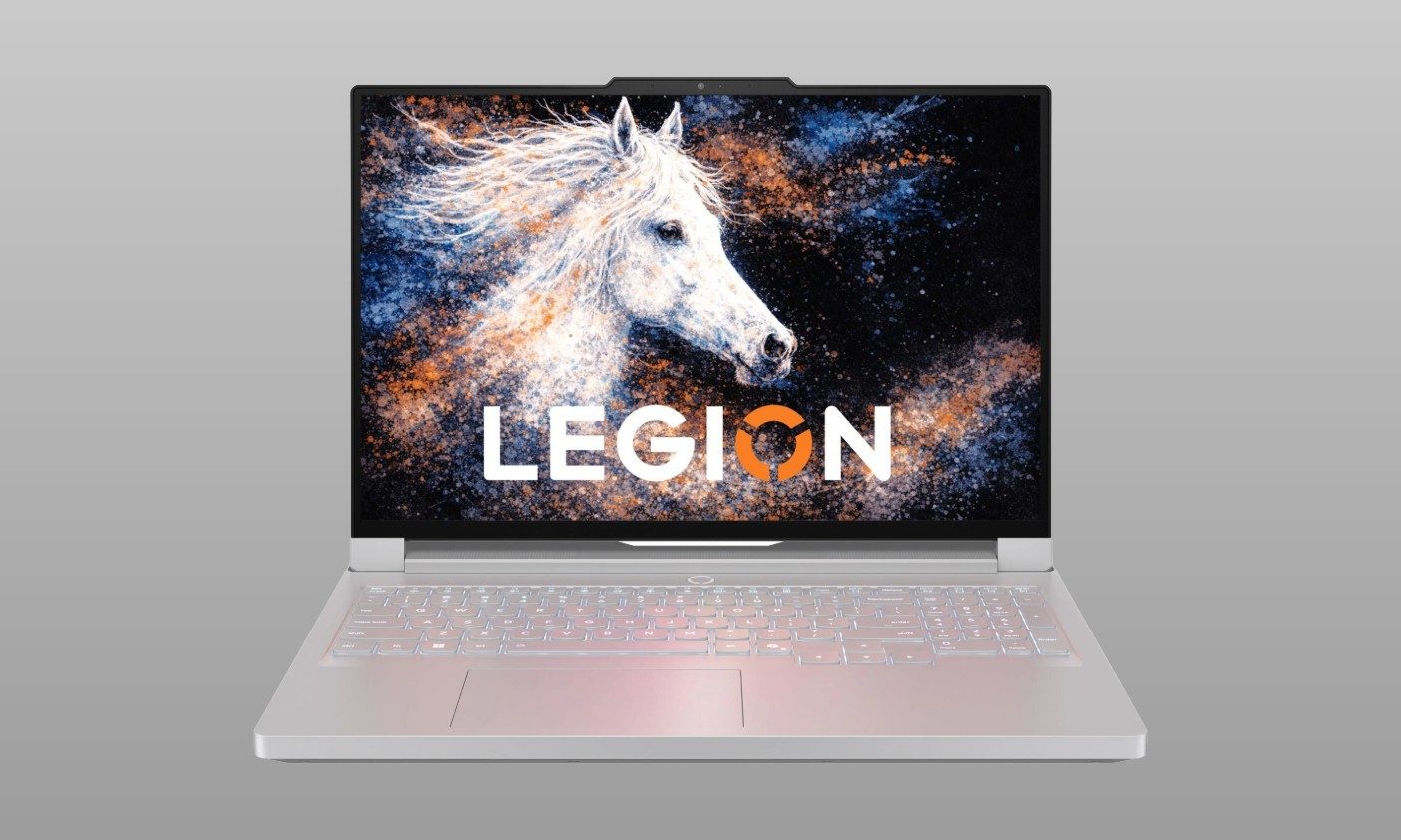
Lenovo’s new gaming laptop is the first to feature a 240Hz inkjet-printed OLED display
TCL’s inkjet-printed OLED technology finally reaches a commercial laptop through Lenovo
Computer, Electronics, Laptop

TCL has spent years saying inkjet-printed OLED could improve image quality, efficiency, lifespan, and manufacturing costs. Back in 2024, the company was still showing prototype laptop panels and promising a “comprehensive breakthrough” once the technology was ready for commercial products.

Two years later, it has finally arrived in a gaming laptop. Lenovo’s new Legion R9000P uses a 16-inch panel that TCL CSOT describes as the world’s first inkjet-printed OLED display integrated into a laptop.

Read more
This new Mac malware won’t let you use your computer until you surrender your password
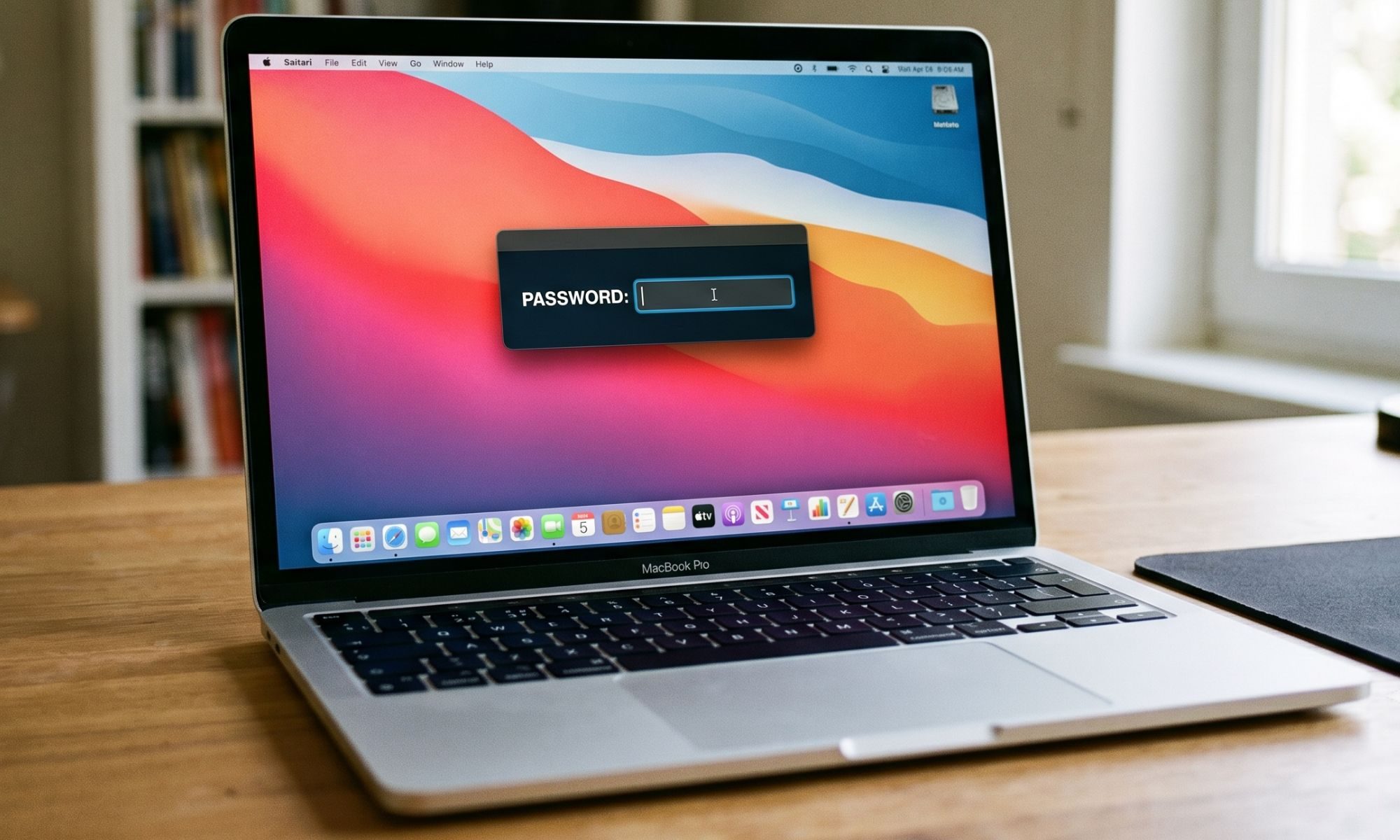
This Mac malware turns your own computer against you
AI Generated Image

A newly discovered strain of macOS malware is taking social engineering to an unsettling new level. Instead of exploiting a software vulnerability or silently stealing information in the background, it simply refuses to let you use your Mac until you type in your login password.

Dubbed ClickLock, the malware repeatedly shuts down key macOS processes, disables notifications, displays convincing Apple password prompts, and effectively traps users in a loop that only ends when the correct password is entered. Once that happens, it doesn't just steal the password. It goes after browser data, cryptocurrency wallets, saved credentials, password managers, and much more.

Read more