1. Home
  2. Computing
  3. Trash
  4. News

Nvidia is asking the Biden administration to lower the price of GPUs

Add as a preferred source on Google

Nvidia and other computing companies are calling on the Biden administration to lower the cost of graphics cards. In several comments sent to the office of the United States Trade Representative (USTR), the companies called for an exclusion from the tariffs that could increase graphics card prices by as much as 25%.

In October, the USTR opened comments on the extension of exclusions that came as part of the Trump administration’s tariffs on goods imported from China. In 2020, the Trump administration extended tariffs to semiconductors and printed circuit boards (in this case, graphics cards), fueling the flames of an ongoing trade war with China. These tariffs, at least in part, have been cited as a source of the ongoing GPU shortage.

NVIDIA CEO Jensen Huang on stage.
Nvidia

Graphics cards were given an exclusion on the tariffs, but it expired at the end of 2020. “We support reinstating the exclusion,” a lawyer representing Nvidia said in its comment. “Efforts to create new capacity in countries that presently do not manufacture such products (such as the U.S. and Vietnam) were unsuccessful and were severely hampered by the fallout from COVID-19.”

HP joined Nvidia with a comment of its own, saying that “HP strongly supports reinstatement of the exclusion.” Graphics card maker Zotac joined in as well, citing how difficult it is to “source for a right manufacturer to produce products in the United States and/or in third countries beside China.”

Tariffs are a tax on goods imported from another country, but the country exporting those goods isn’t responsible for paying. The importer — someone in the U.S., in this case — is on the hook for the extra cost, which is usually passed down to consumers. Tariffs are meant to deisincentivize purchasing imported products by making them more expensive than domestic products.

That’s the problem, though: The U.S. doesn’t produce any graphics cards. As Nvidia, Zotac, and HP all point out, the supply chain for graphics cards is almost entirely focused in China and Taiwan. In the case of graphics cards, the tariff doesn’t punish China or Chinese manufacturing. It just makes graphics cards more expensive without a domestic alternative.

It will be several years before the U.S. sees a domestically produced graphics card, if at all. Intel, the current champion of domestic semiconductor manufacturing, is still outsourcing its upcoming Arc Alchemist graphics cards to Taiwan-based chipmaker TSMC. AMD and Nvidia also partner with TSMC for manufacturing, as does Apple.

There’s a good chance that the USTR will extend an exclusion to graphics cards, which should drive down prices. The USTR says that exclusions will be doled out to products based on availability in the U.S., domestic capacity for production, and changes in the supply chain since September 2018. Graphics cards hit all three requirements.

Jacob Roach
Former Lead Reporter, PC Hardware
Jacob Roach is the lead reporter for PC hardware at Digital Trends. In addition to covering the latest PC components, from…
Lenovo’s next ThinkCenter desktop is ready to hit the shelves, but the price will make you blink twice
The ThinkCentre X is finally heading to the US with up to 256GB RAM, dual RTX 5060 Ti GPUs, and a price tag that rivals a used car.
Lenovo ThinkCentre X workstation with monitor

If the phrase "future-proof desktop" means never worrying about running out of RAM again, Lenovo may have just built the ultimate machine. The company is preparing to launch its new ThinkCentre X workstation desktop in the US after making it available in several international markets. Built for AI workloads, professional content creation, and demanding enterprise applications, the desktop can be configured with up to 256GB of DDR5 memory, Intel's latest Core Ultra 9 processor, and support for dual GeForce RTX 5060 Ti 16GB GPUs.

A workstation built for serious workloads

Read more
A metallic Hall effect keyboard and a 59g mouse are Lenovo’s latest upgrades for snazzy gaming setups
The Legion R7 RT75 keyboard and Y7MG mouse bring 8K polling to both sides of your gaming setup
Computer, Computer Hardware, Computer Keyboard

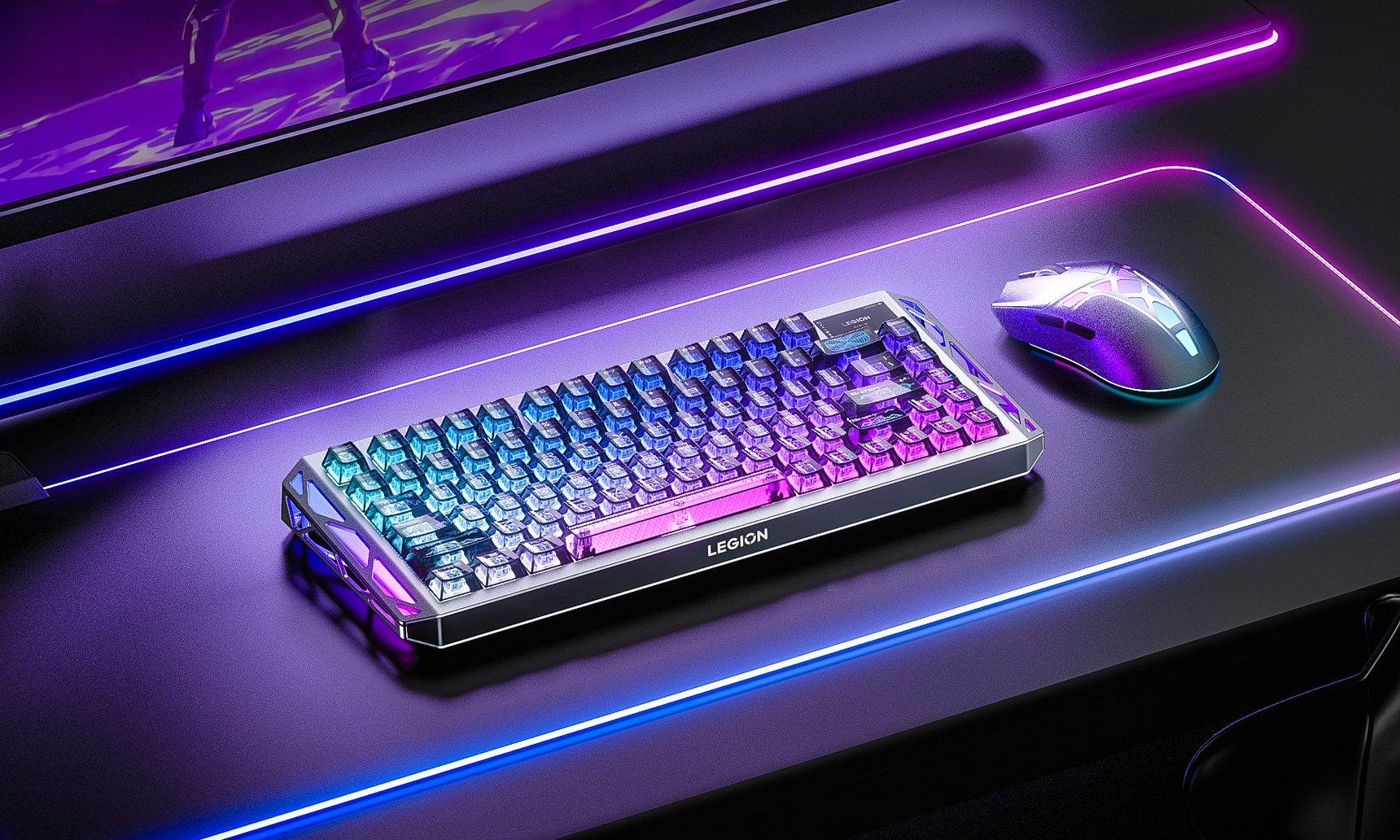
Magnetic gaming keyboards and lightweight mice are hardly unusual anymore, but Lenovo is trying to push both ideas a little further with its latest Legion peripherals. The new lineup includes the Legion R7 RT75 keyboard and Legion Y7MG mouse, and both support an 8,000Hz polling rate for players who want every input delivered to their PC as quickly as possible.

Of course, Lenovo has styled these peripherals to be as bold and eye-catching as possible without getting in the way of practicality. The keyboard has a hefty metallic design with translucent keycaps and RGB lighting. Compared to that, the mouse is more tame and traditional in design, but it also has an RGB strip that appears to belong on an alien spaceship. (via NotebookCheck)

Read more
Shopping for back-to-school? These are the budget laptops I’d actually recommend
From a $359 Chromebook to the cheapest way into macOS, these are the budget picks worth your money.
Computer, Electronics, Laptop

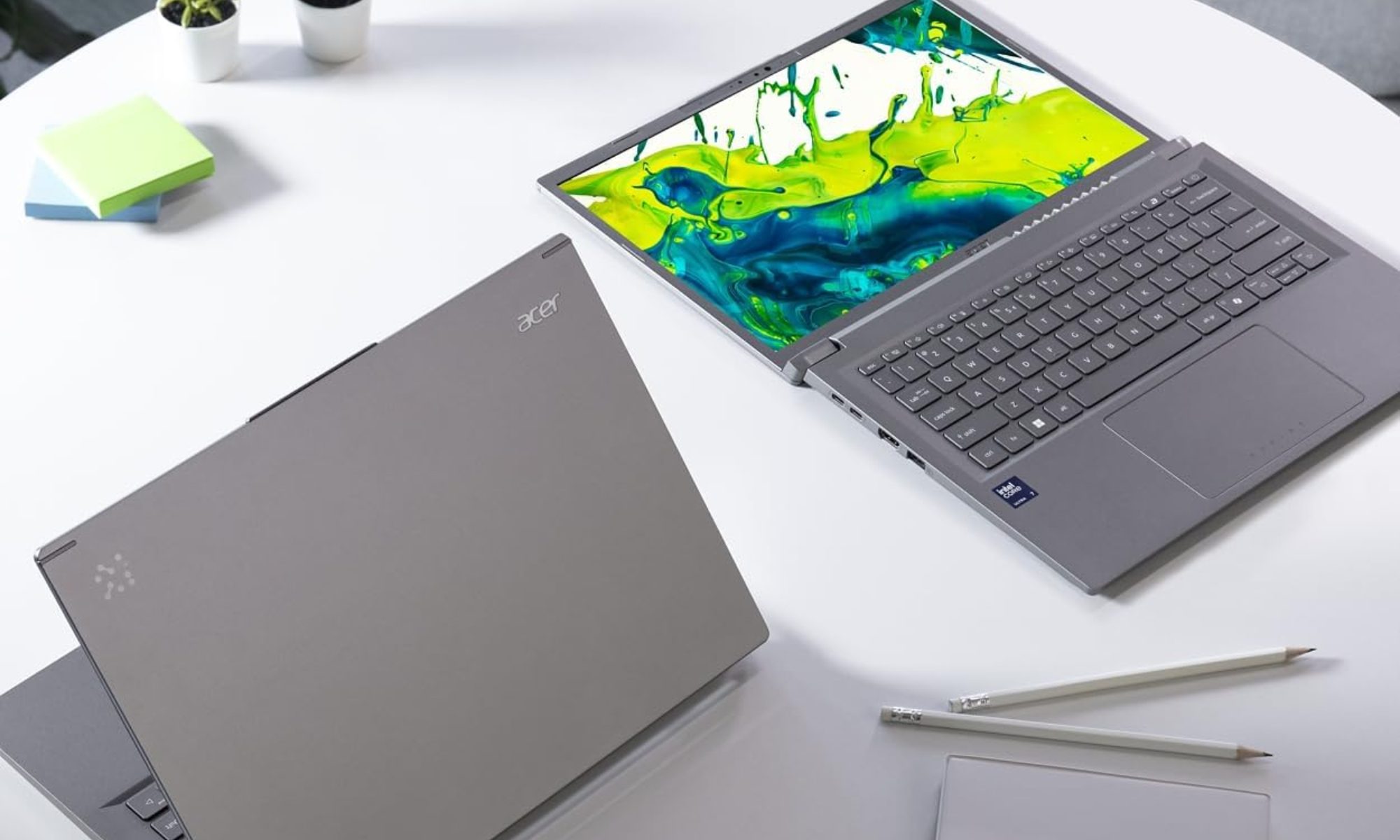
The back-to-school season often turns into a laptop, especially the budget ones that aren't too heavy on your wallet. Due to the ongoing memory crisis, most manufacturers have already bumped up their laptop prices, including Apple. However, that doesn't mean that I won't help you get a new machine. So, for this one, I spent time digging through spec sheets, customer ratings, and price tags, finding devices that don't just look cheap in an Amazon listing, but actually hold up. 

From a flexible touchscreen Chromebook to the least expensive way into macOS, these six laptops balance price and performance well. I'd hand any one of them to a student heading back to campus this fall, depending on what they need and what their priorities are. 

Read more