Apple’s rumored mixed-reality (MR) headset has seen some interesting developments in recent days, from details about its powerful chip setup to the likelihood it will use three immersive displays. But today, there’s some bad news: We might have quite a wait to actually buy one.
According to Bloomberg reporter Mark Gurman, Apple is considering pushing back the headset’s launch by a few months due to numerous ongoing issues. That could delay its announcement until late 2022 or beyond, with the headset potentially not actually launching until 2023. It’s just the latest in a litany of problems and holdups to have afflicted the device.
Apple’s first VR/AR headset risks being delayed until 2023 and a planned unveiling at WWDC 2022 could be pushed back after development snags related to overheating, cameras and software. Company is still building support into iOS 16 and many more details: https://t.co/CF5qyluzLE
— Mark Gurman (@markgurman) January 14, 2022
There are numerous reasons for the setback, says Gurman. One is related to the device overheating, which is perhaps unsurprising considering it is rumored to use a dual-chip setup that rivals the MacBook Pro in terms of power. All that juice so close to a user’s head has to be carefully managed to avoid discomfort, and apparently Apple isn’t quite there yet.
That’s not the only problem Apple has encountered, according to Gurman. The company is also struggling with unspecified problems relating to the headset’s cameras and software (code-named rOS, with the “r” probably short for “reality”). Numerous developers on the project have also reportedly been lured away by Meta, which is allegedly working on its own MR headset for a future release.
A preview at WWDC 2022?
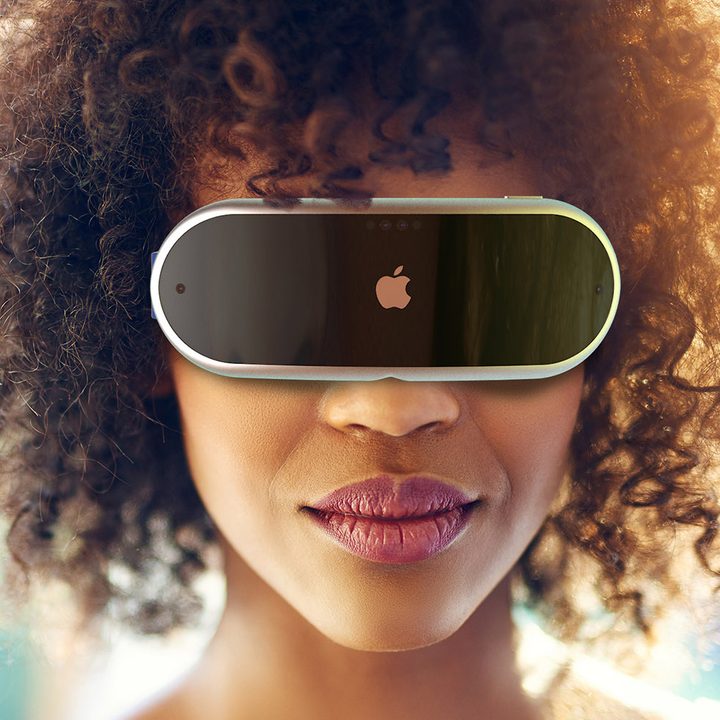
Gurman states that Apple had intended to announce its headset at this year’s Worldwide Developers Conference (WWDC), with a release date planned for later in the year. That now looks to be in doubt, with Apple apparently informing its suppliers that the device would not be ready until 2023.
Instead, Apple could make its headset the focus of its 2023 WWDC show instead of this year’s event. Whenever it ends up happening, the idea is to get developers used to the rOS ecosystem and creating apps for the mixed-reality headset. There will also be an App Store for the headset, Gurman says, which developers will need to prepare for. And Gurman claims Apple is building support for the headset into iOS 16, which will be previewed at this year’s WWDC in June 2022.
That means there’s a chance Apple could tease some aspects of its headset — perhaps what apps will be able to do on rOS, for example — without fully unveiling the device. That seems plausible if a late 2022 release date is still in the cards. But if Apple has to wait until 2023, Apple CEO Tim Cook and company might not want to wait so long between revealing the headset’s capabilities and putting the device on sale, lest it give ideas to Apple’s rivals.
Whatever happens, Apple’s headset could be one of its most important new devices since the Apple Watch. Let’s just hope we don’t have to wait too long to see it.