  1. Home
  2. Mobile
  3. Legacy Archives

Huawei introduces first 7-inch Android 3.2-powered tablet

Add as a preferred source on Google
huawei-mediapad
Image used with permission by copyright holder

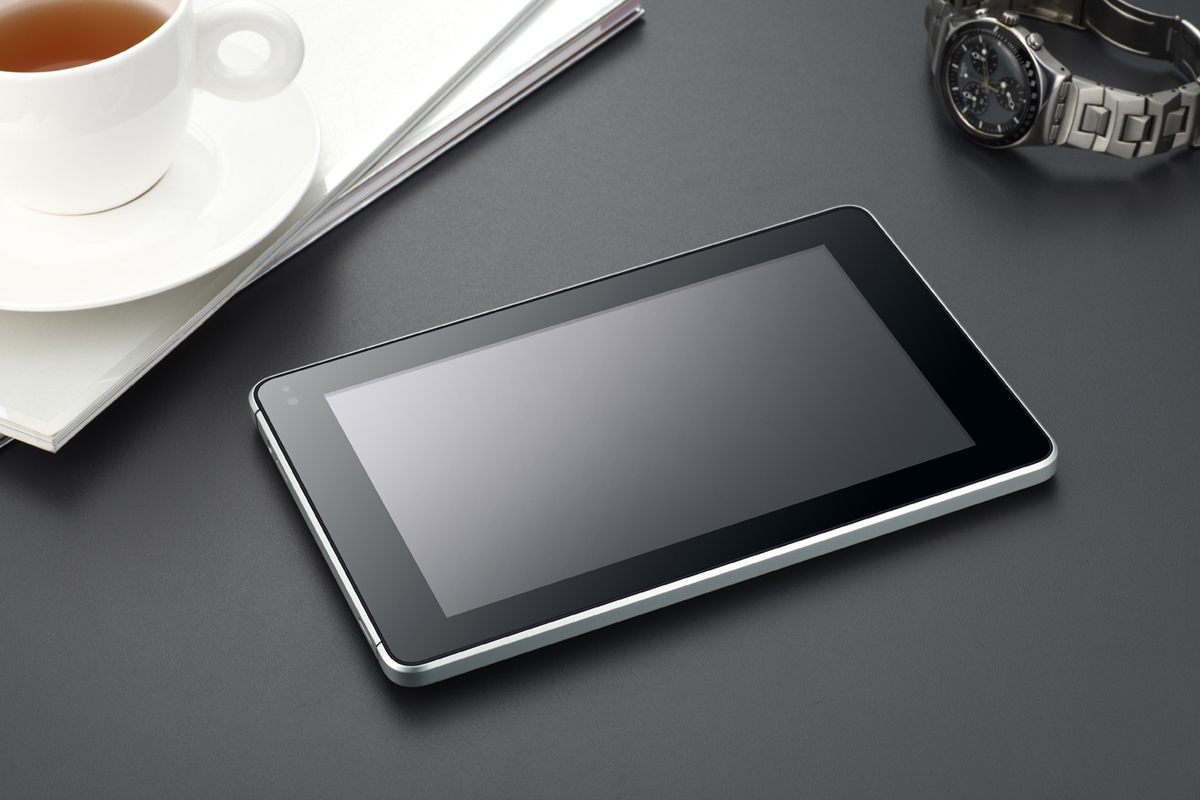
Who cares about Android version 3.1 anymore? 3.2 is the new hotness. The next update to Google‘s mobile operating system hasn’t been released yet, but it will be soon, installed into an upcoming 7-inch tablet from Huawei.

The 7-incher is Huawei’s MediaPad, a press release reveals. The company tells Engadget that the upcoming Android update is pretty much the same thing as Android 3.1, only it’s built to play well with the tablet display’s smaller size. Android version 3.x, dubbed Honeycomb is exclusive to tablets, only a handful of which are available right now. So 3.2 simply scales that experience down a bit.

Recommended Videos

The tablet itself sports a half-inch thick shell and weighs slightly less than one pound. On the inside you’ve got a dual-core 1.2 GHz Qualcomm processor, a 1.3 MP front-facing camera, a 5 MP rear-facing camera that can do HD video recording, an HSPA+ wireless receiver for 3G wireless, Wi-Fi, Bluetooth and Flash 10.3 support. Battery life clocks in at around six hours. The 7-inch LCD touchscreen can also handle 1080p HD video playback, and can send that content out to an external display through a built-in HDMI port. The MediaPad isn’t a beast, but it can certainly compete so long as the price is right.

No price is revealed in the release — nor is any information about how much RAM there is — but the device is expected to start shipping in the third quarter of this year. There are apparently no plans to release a Wi-Fi-only model, Engadget adds. For comparison, Huawei’s budget-priced S7 tablet, which runs on Android 2.1, can be gotten for around $250.

Adam Rosenberg
Former Gaming/Movies Editor
Previously, Adam worked in the games press as a freelance writer and critic for a range of outlets, including Digital Trends…
Snapchat Planets Meaning: Order, Rankings, and How Friend Solar System Works
Snapchat Planets turns your best friends list into a solar system, and yes, your orbit says a lot
Snapchat Planets being shown on the Snapchat app on iPhone.

Snapchat+ includes several exclusive features, but few have generated as much curiosity as Snapchat Planets. Part of the app's Friend Solar System, it transforms your Best Friends list into a planetary ranking, assigning each of your top eight friends a planet based on how often you interact.

From Mercury, which represents your closest friend, to Neptune, which represents your eighth closest, the system offers a quick visual snapshot of your interactions. But what do the different planets actually mean, and how does Snapchat decide who gets which one?

Read more
How to use WhatsApp Web
We'll show you how to use WhatsApp on your desktop or laptop
WhatsApp Web

As one of the most popular messaging services, you’ve already heard of WhatsApp. From its humble beginnings in 2009—two years before Apple introduced iMessage—to its acquisition by Facebook (now Meta) in 2014, WhatsApp has become the dominant messaging platform around the globe.

In recent years, it's grown even more potent with new features like video messages, self-destructing voice messages, the ability to edit sent messages, and more. We even finally got an WhatsApp iPad app in May 2025.

Read more
What is WhatsApp? How to use the app, tips, tricks, and more
From setting it up to mastering hidden features, here is your complete guide to WhatsApp.
WhatsApp app store listing open on iPhone

There's no shortage of messaging apps out there. The past decade has given us more options than we know what to do with, largely because smartphones demanded something better than plain old SMS.

Both the App Store and the Play Store are packed with apps that promise to revolutionize the way we communicate. Most of them didn't make it. The truth is, a messaging app is only as good as the number of people using it, and most apps never cross that threshold.

Read more