1. Home
  2. Computing
  3. News

Digital Trends may earn a commission when you buy through links on our site. Why trust us?

Upcoming Windows update will kill Internet Explorer for good

Add as a preferred source on Google

Internet Explorer is set to have its final end-of-life update on June 15. The Windows 10 update will be sent out to PCs after that date, disabling the browser and wiping it from devices.

While Microsoft has detailed its plans to retire Internet Explorer since May 2021, the Redmond, Washington company says the upcoming end-of-life update will disable the browser in a fashion that will redirect users to the Microsoft Edge browser when they try to access the feature.
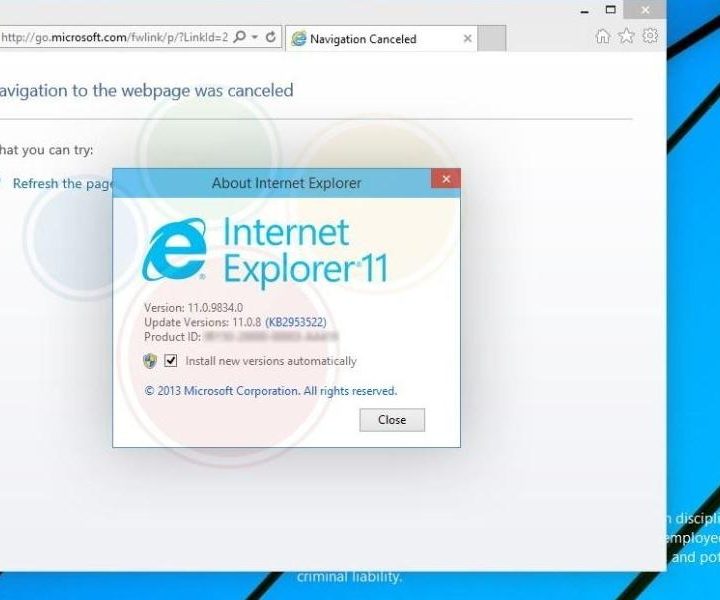
An Internet Explorer web browser tab showing the version information.
No Internet Explorer 12 in Windows 9. At least, not yet. Image used with permission by copyright holder

Microsoft Edge has been Microsoft’s primary browser since early 2020 and comes default on new Windows devices. Microsoft Edge includes an Internet Explorer mode, which allows websites and applications based on legacy scripts and code to be viewed in a more compatible fashion.

Recommended Videos

The platforms that will be affected by the Internet Explorer 11 end-of-life update include the Windows 10 client and IoT versions 20H2 and later.

Meanwhile,  there are several older Windows versions and other exceptions, that won’t be affected as they won’t be receiving the Windows 10 update. These include:

  • Internet Explorer mode in Microsoft Edge
  • Internet Explorer platform (MSHTML/Trident), including WebOC
  • Internet Explorer 11 desktop application on:
    • Windows 8.1
    • Windows 7 Extended Security Updates (ESU)
    • Windows Server SAC (all versions)
    • Windows 10 IoT Long-Term Servicing Channel (LTSC) (all versions)
    • Windows Server LTSC (all versions)
    • Windows 10 client LTSC (all versions)

Microsoft also recently released its Windows 11 update, which notably does not include Internet Explorer and runs Microsoft Edge as its primary browser.

Internet Explorer has been a Microsoft staple for 25 years. The once-popular browser ruled the 1990s and 2000s but became infamous for its security vulnerabilities and frequent malware threats.

In February, Apple evangelists asked for feedback on the Safari browser and were taken aback by the onslaught of negative responses, with users calling it the “new Internet Explorer.”

However, Microsoft appears to have learned from its mistakes with Internet Explorer, to where Microsoft Edge rates among the best browsers on the market.

Fionna Agomuoh
Fionna Agomuoh is a Computing Writer at Digital Trends. She covers a range of topics in the computing space, including…
Google Play’s latest speed boost goes way beyond the phone
Play Store v52.1 targets app install performance across Android devices, including cars, TVs, watches, tablets, and phones.
Google Play Store Photo

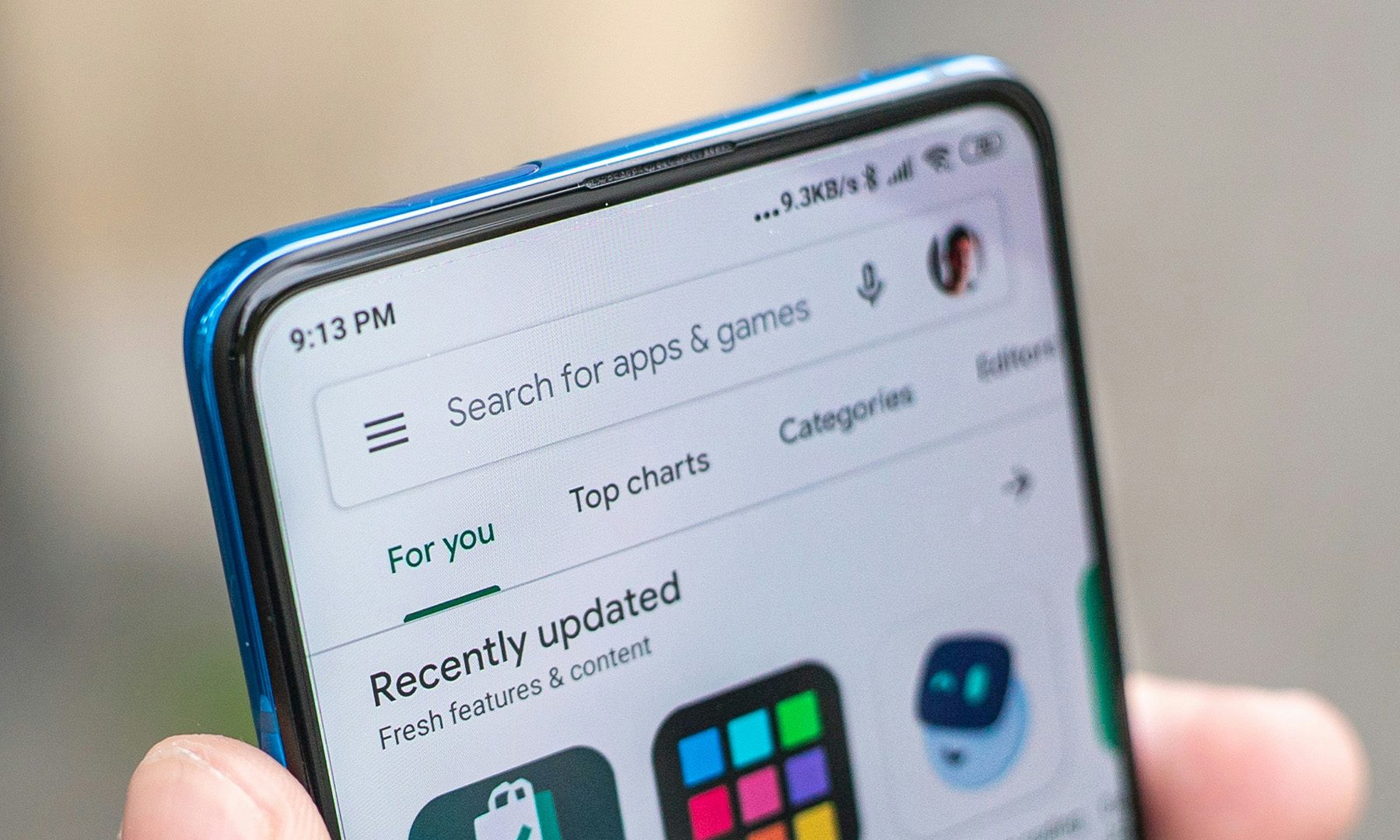
Google is rolling out Play Store v52.1 with changes built around a practical Android problem, getting apps installed more smoothly on very different kinds of hardware.

The update focuses on Play Store infrastructure, with Google pointing to stability, performance, and better memory use while a device adds an app. That install path now has to work on phones, tablets, Wear OS watches, Google TV, Android TV, Android Auto, and cars running Android Automotive.

Read more
Peacock Premium Plus joins YouTube as the streaming bundle battle gets messier
The $16.99 subscription brings Peacock’s sports-heavy catalog into YouTube, with account details still unclear.
Adult, Female, Person

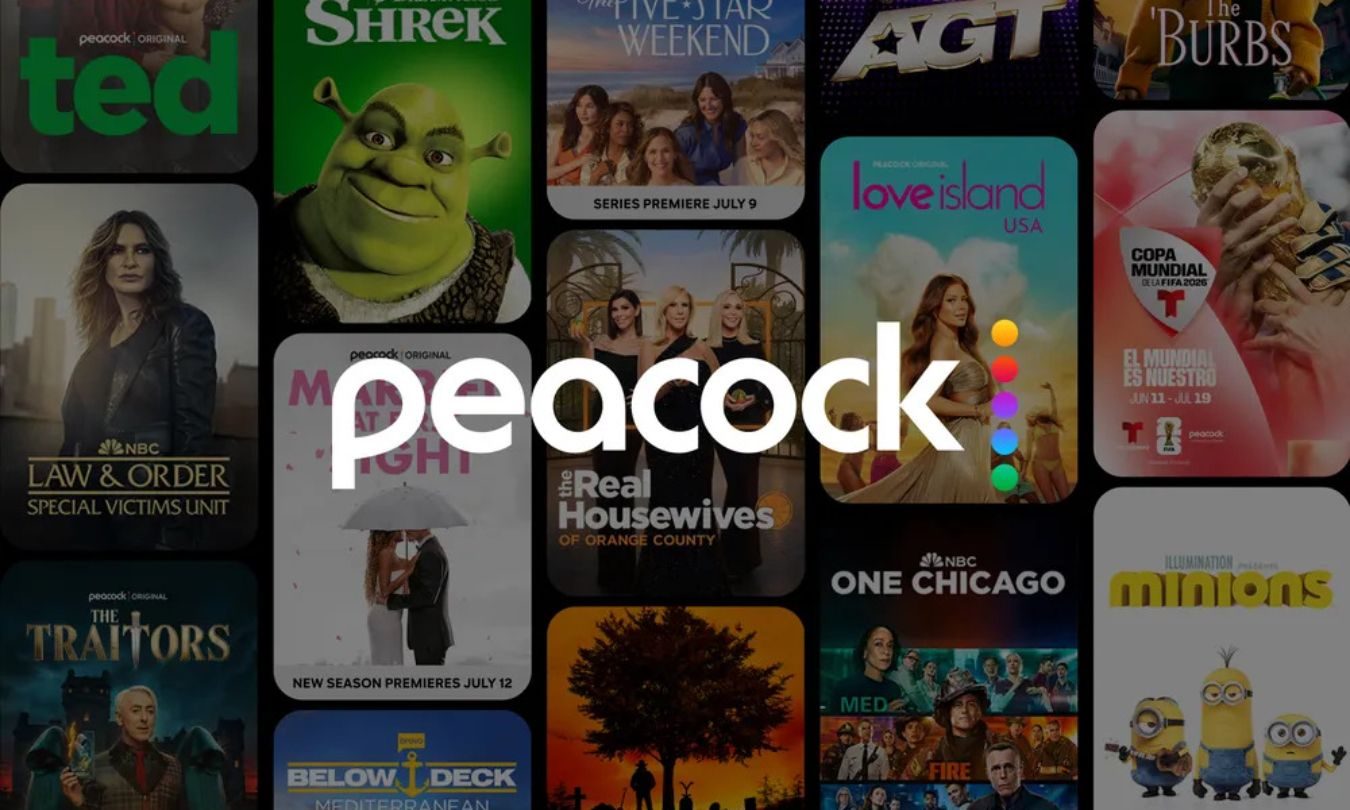
Peacock Premium Plus is now available through YouTube Primetime Channels, giving viewers a new way to add a major streaming service inside YouTube.

The $16.99-per-month subscription brings Peacock’s live sports, NBC and Bravo shows, originals, Universal movies, Telemundo programming, and Spanish-language FIFA World Cup 2026 coverage into YouTube’s channel marketplace.

Read more
OpenClaw lands on Android and iOS, turning your phone into a control hub for your AI agent
OpenClaw's mobile apps bring chat, voice, and approvals straight to your phone.
openclaw-ios-android-app

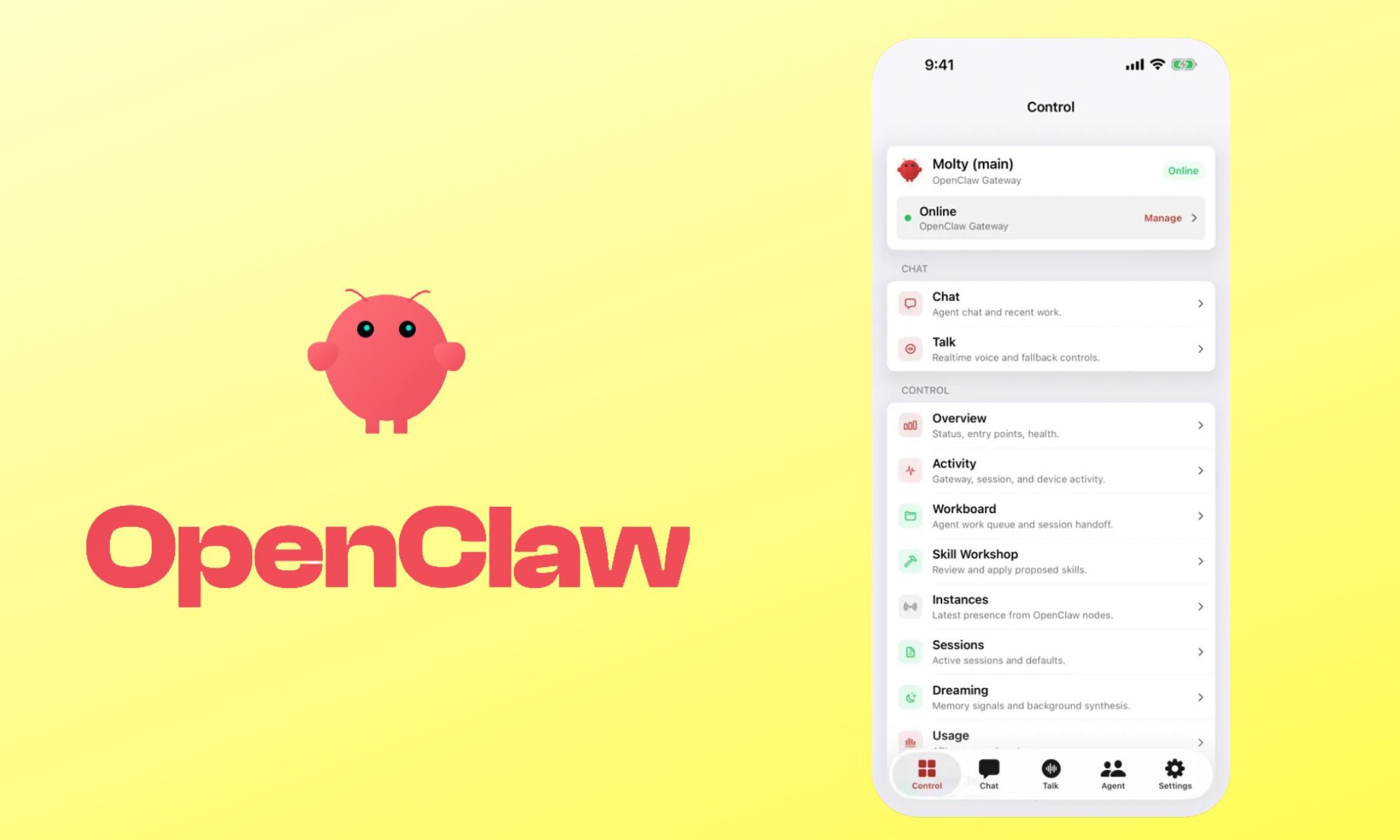
OpenClaw, the open-source AI agent that runs entirely on your own computer, just landed native apps for Android and iOS. The app does not run the AI itself. Instead, it connects to a private gateway you set up yourself on a Mac, PC, or Linux machine, turning your phone into a secure remote for everything that gateway can do.

https://twitter.com/openclaw/status/2071688039114342592

Read more