1. Home
  2. Computing
  3. News

The Studio Display’s poor reviews prompt update from Apple

Add as a preferred source on Google

The first reviews of Apple’s new Studio Display have been released, with journalists having harsh opinions toward the 12-megapixel ultrawide front camera on the 27-inch display.

While many expected the Studio Display to be the next step in Apple’s PC future due to its 12-megapixel lens and its A13 Bionic chip, the video and photo capture capabilities on the peripheral have left reviewers disappointed.

The Mac Studio and Studio Display on a desk.
Image used with permission by copyright holder

Wall Street Journal reviewer Joanna Stern compared the image quality of the Studio Display to that of an “old BlackBerry,” detailing that photos taken from the webcam came out “grainy and washed-out.”

Recommended Videos

The Verge editor Nilay Patel similarly described testing the webcam on several apps, including FaceTime, in Zoom, in Photo Booth, in QuickTime, as well as in good light and low light, and connecting the display to both the new Mac Studio desktop and his MacBook Pro, to be met with abysmal results in all situations.

You can be the judge of the webcam quality. More shots in my video: https://t.co/lYQjFnqFI9 pic.twitter.com/sEWkpDIs7t

— Joanna Stern (@JoannaStern) March 17, 2022

Apple has since responded to journalists stating that the company has “discovered an issue where the system is not behaving as expected” and will be “making improvements in a software update.”

Studio Display has received positive reviews on its slim design and texture, and speaker and microphone quality. Many reviewers judged the actual SDR display to be merely average overall — considering Apple has many product options that include HDR, as well a maximum brightness much higher than the 600 nits provided by this peripheral.

Studio Display will be on sale starting on Friday for a cool $1,600 and is set to pair with Apple’s M1 Ultra-powered Mac Studio desktop, which will start at $4,000. Both products were announced at Apple’s spring event on March 10.

Apple showcased its A13 Bionic-powered 12-megapixel ultrawide front camera as a highlight feature of the Studio Display. The 5K aluminum-built display also features a 30-degree tilt base, Center Stage software, a three-mic array, and six-speaker sound with four woofers, two tweeters, and spatial sound, as well as a 96 watts-per-hour power source, and silver and black keyboard options.


Fionna Agomuoh
Fionna Agomuoh is a Computing Writer at Digital Trends. She covers a range of topics in the computing space, including…
Brave’s new Container feature is a lifesaver for anyone juggling multiple accounts
With this feature, you won't need to open three different browsers
Brave browser 3D logo

Brave has added Containers to its desktop browser, giving users a built-in way to keep different accounts, sessions, and browsing activity separate. The feature is available in Brave 1.92 for Windows, macOS, and Linux, and is rolling out in phases over the next few days.

Containers have been a highly requested feature, especially for users who regularly switch between work, personal, developer, or creator accounts. Once enabled, they let users open tabs in separate spaces where cookies and site storage are not shared outside that container.

Read more
Intel may bring back older desktop CPUs because DDR5 is getting too expensive
Older Intel Core CPUs from 10th to 14th Gen may get a second life
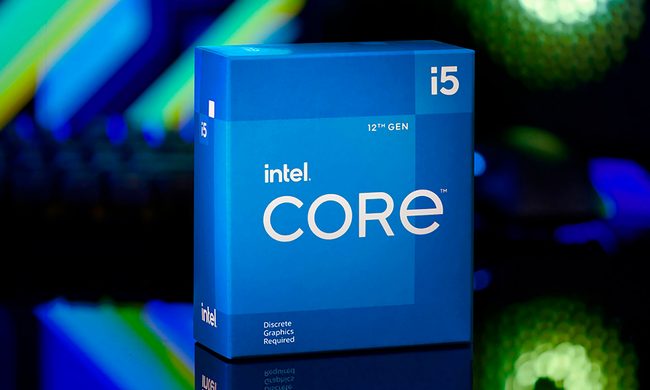
Intel Core i5-12400F box sitting in front of a gaming PC.

Intel may be preparing an unusual response to the ongoing memory crunch. According to Chinese outlet ITHome, citing ChannelGate, the company’s latest production plan includes restarting production of 13th-gen and 14th-gen Core processors.

The move is expected to increase supply across Intel’s 10th, 12th, 13th, and 14th Gen CPU families, especially in mainland China. For DIY PC builders, the timing is important. DDR5 memory prices have climbed sharply, making newer platforms harder to justify for anyone trying to build an affordable gaming PC.

Read more
Amazon wants to design in-house chips for Kindles, Fire TV, and Echo speakers
Apple did it first. Amazon is doing it now, starting with 40 million chips a year and a partner most people have never heard of.
Amazon Kindle Scribe dark mode featured image.

Apple's decision to design its own chips reshaped the consumer electronics industry. Amazon may be about to make the same call, just about two decades later.

Supply chain analyst Ming-Chi Kuo reports that Amazon is preparing to shift away from externally sourced processors for its consumer electronics lineup, marking what he describes as the company's first major processor procurement change in 20 years. The transition is expected to begin in 2027.

Read more