  1. Home
  2. Mobile
  3. Legacy Archives

Motorola Mobility sued over $12.5 billion Google deal

Add as a preferred source on Google
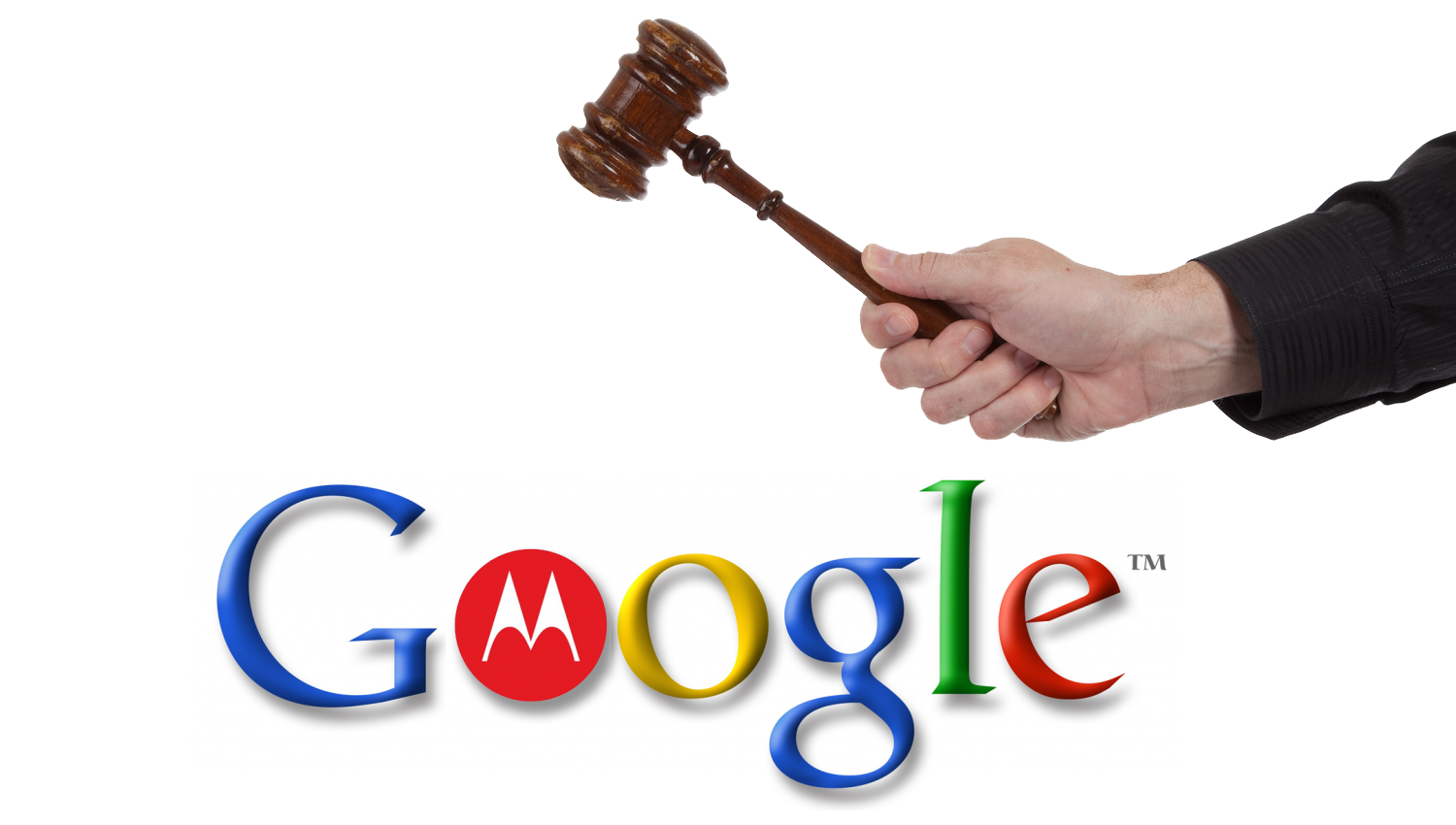
Image used with permission by copyright holder

A Motorola Mobility shareholder has filed a lawsuit over the company’s sale to Google, which was announced earlier this week, because he doesn’t believe the sale price of $12.5 billion is enough, reports BusinessWeek. Motorola Mobility Holdings Inc., its CEO, Sanjay Jha, the company’s nine-member board of directors and Google are all listed as defendants in the lawsuit.

The lawsuit was filed in Chicago on Monday, prior to Google’s announcement of the deal, by investor John W. Keating.

Recommended Videos

“The offered consideration does not compensate shareholders for the company’s intrinsic value and stand-alone alternatives going forward, nor does it compensate shareholders for the company’s value as a strategic asset for Google,” Keating claims in the suit, which was filed on behalf of all stockholders.

Google has agreed to pay shareholders $40 per shar in cash, which equals out to $12.5 billion for the entire company. This is 63 percent higher than the price at which Motorola Mobility stocks closed on August 12, the last day of trading before the deal was announced.

Motorola Mobility had been struggling to stay afloat, but has recently seen an uptick in sales. The company sold 11 million devices in January, which included 4.4 million smartphones and 440,000 tablets to bring in a revenue of $3.3 billion, an increase of 28 percent year-over-year.

“Motorola has experienced an economic resurgence since separating into two separate companies,” wrote Keating in the complaint. “he Android smartphone technology it relies on continues to gain ground on Apple’s iPhone.”

Of course, Google’s purchase of Motorola Mobility was done, at least in part, as a way to gain ownership of the company’s massive cache of 17,000 patents that the search giant will use to “protect” Android from the companies like Microsoft and Apple, who have been using their own patent portfolios to beat back the burgeoning Android mobile operating system.

Neither Google nor Motorola Mobility have agreed to comment on the lawsuit.

[Image via Mike Flippo/Shutterstock]

Andrew Couts
Features Editor for Digital Trends, Andrew Couts covers a wide swath of consumer technology topics, with particular focus on…
Snapchat Planets Meaning: Order, Rankings, and How Friend Solar System Works
Snapchat Planets turns your best friends list into a solar system, and yes, your orbit says a lot
Snapchat Planets being shown on the Snapchat app on iPhone.

Snapchat+ includes several exclusive features, but few have generated as much curiosity as Snapchat Planets. Part of the app's Friend Solar System, it transforms your Best Friends list into a planetary ranking, assigning each of your top eight friends a planet based on how often you interact.

From Mercury, which represents your closest friend, to Neptune, which represents your eighth closest, the system offers a quick visual snapshot of your interactions. But what do the different planets actually mean, and how does Snapchat decide who gets which one?

Read more
How to use WhatsApp Web
We'll show you how to use WhatsApp on your desktop or laptop
WhatsApp Web

As one of the most popular messaging services, you’ve already heard of WhatsApp. From its humble beginnings in 2009—two years before Apple introduced iMessage—to its acquisition by Facebook (now Meta) in 2014, WhatsApp has become the dominant messaging platform around the globe.

In recent years, it's grown even more potent with new features like video messages, self-destructing voice messages, the ability to edit sent messages, and more. We even finally got an WhatsApp iPad app in May 2025.

Read more
What is WhatsApp? How to use the app, tips, tricks, and more
From setting it up to mastering hidden features, here is your complete guide to WhatsApp.
WhatsApp app store listing open on iPhone

There's no shortage of messaging apps out there. The past decade has given us more options than we know what to do with, largely because smartphones demanded something better than plain old SMS.

Both the App Store and the Play Store are packed with apps that promise to revolutionize the way we communicate. Most of them didn't make it. The truth is, a messaging app is only as good as the number of people using it, and most apps never cross that threshold.

Read more