1. Home
  2. Phones
  3. Computing
  4. Mobile
  5. News

Microsoft quits its creepy, emotion-reading A.I.

Add as a preferred source on Google

Microsoft announced it will stop the development and distribution of controversial emotion-reading software as big tech companies pivot toward privacy and security. The company also says it will heavily restrict its own facial recognition platform.

Microsoft’s shift away from emotional recognition software is another sign of big tech’s growing prioritization of privacy. The company also admits there is little scientific evidence behind the technology.
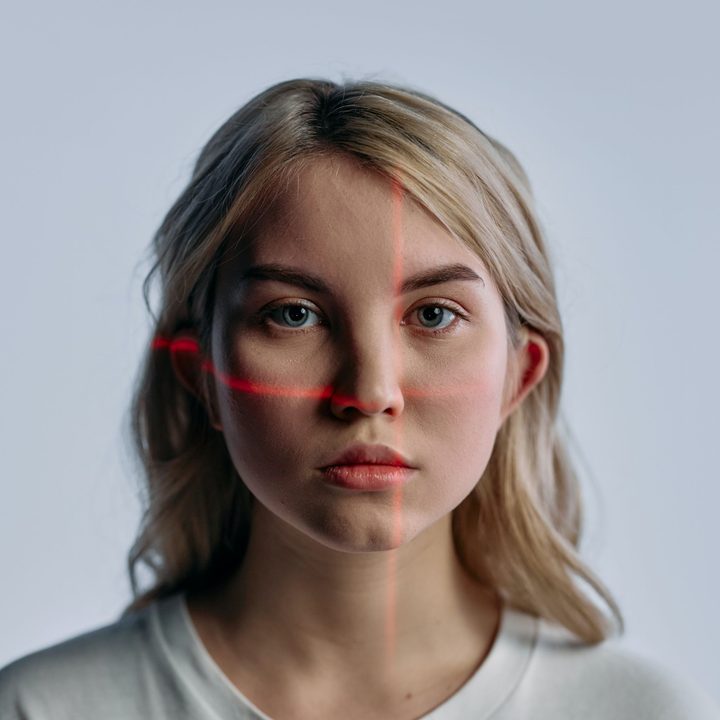
blonde woman with an expressionless face looks at camera while laser lights scan her features
Image used with permission by copyright holder

“Experts inside and outside the company have highlighted the lack of scientific consensus on the definition of emotions,” Natasha Crampton, Microsoft’s Chief AI Officer, wrote in a company blog post. “…and the heightened privacy concerns around this type of capability.”

Recommended Videos

Facial emotion recognition software uses advanced A.I. to determine a subject’s emotional state. It compares a subject’s facial expressions, the size of their pupils, the shape of their mouth, and other visual cues to a database of thousands of photographs of people with different known emotions. The AI then assigns an emotion to the subject.

Microsoft and other tech companies have been working on the technology for several years, along with facial recognition software. The company is making a sudden shift to what they call “Microsoft’s Responsible AI Standard.

Along with the end of emotion recognition tech, Microsoft will join Google and others in restricting access to facial recognition software. Microsoft will establish transparency guidelines and what it calls “guardrails” to ensure customers who use facial recognition do so ethically.
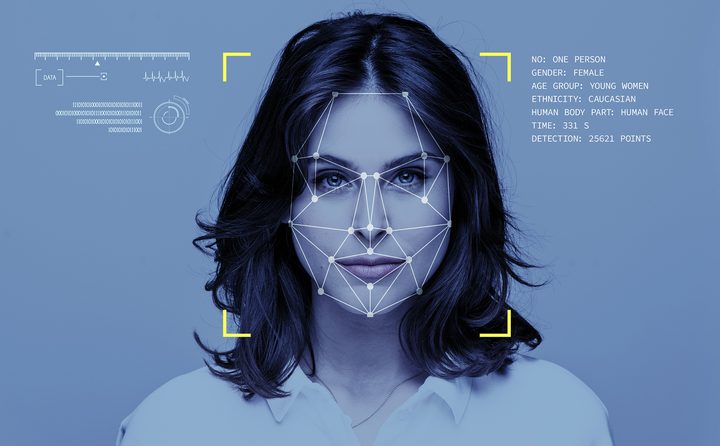
facial recognition
izusek/Getty Images

Google stopped selling facial recognition products in 2018, citing the need for more secure policies around the technology. IBM stopped supplying government and police agencies with facial recognition technology in 2020 in the aftermath of the George Floyd killing in Minneapolis. Meta (the company formerly known as Facebook) shut down its facial recognition programming in 2021 and stopped identifying people in photos uploaded to Facebook.

Azure Face, the artificial intelligence system Microsoft built to provide facial recognition capabilities, is used mainly by private businesses in health care and research, with some local government agencies using it to track people in public. Although Microsoft doesn’t publish exact details about their customers, data shows at least 356 current Azure Face subscribers.

Microsoft’s facial recognition customers will have one year and then will lose access to Azure Face.

Nathan Drescher
Former Computing Writer
Nathan Drescher is a freelance journalist and writer from Ottawa, Canada. He's been writing about technology from around the…
Vibecoded apps are flooding Apple’s App Store, and users are getting sick of them
App Store submissions have doubled this year as AI tools make it easier than ever to build an app, but downloads haven't kept pace, and for good reason.
Apple App Store homepage on an iPhone

Apple's App Store is in the middle of its steepest submission surge in years. Developers submitted nearly 600,000 new apps last year, marking a 30 percent jump over the previous year. That number has already doubled to roughly 560,000 new apps in just the first six months of this year, according to estimates from analytics firm Sensor Tower cited by the New York Times. The reason behind the spike is vibecoding, which allows people with no prior development experience to create new apps using AI tools.

A familiar boom, with a twist

Read more
Google Photos adds a quick toggle between AI and classic search
Classic search is finally easier to reach for people who enabled Ask Photos
Google's Ask Photos debut.

Google Photos is giving users an easier way to leave its Gemini-powered search when a simple keyword would do. A new toggle now sits at the top of the results page, letting users switch between Ask Photos and classic search without digging through settings.

The change appears to address feedback from people who opted into Ask Photos but wanted a quicker way to return to classic search when Gemini was slower or less useful for a straightforward query.

Read more
Snapseed Camera now lets Android users save original photos and add geotags
Google updates Snapseed Camera with geotag support and non-destructive photo editing
Snapseed App

Google appears to be quietly turning Snapseed into something more than just a photo editing app. Over the past few weeks, the company has been steadily adding new capabilities to Snapseed Camera, its standalone camera app for Android. The latest update introduces two practical features that many smartphone users have come to expect from modern camera apps: the ability to save an untouched copy of every image for future editing and support for embedding location data directly into photos.

Neither feature is flashy, but together they make Snapseed Camera a more capable photography tool, particularly for users who like experimenting with filters without permanently altering their original shots. According to a report by 9to5Google, the features are rolling out with Snapseed Camera version 4.1.1.x on Android.

Read more