1. Home
  2. Computing
  3. News

Digital Trends may earn a commission when you buy through links on our site. Why trust us?

Dell has a new ‘twisting’ Bluetooth travel mouse

Add as a preferred source on Google

Today, Dell revealed the world’s first “twistable” wireless mouse with multi-device connectivity. Called the Dell MS700 Bluetooth Travel Mouse, it boasts industry-leading battery life, extreme portability, and a lightweight build.

Improving on previous offerings like the Dell WM615, the MS700 is engineered and designed with a rotatable rear body, easily transforming from a regular mouse to a flat, slim form factor for quick stowage and portability. The twist motion has the added function of powering the device on and off as well.
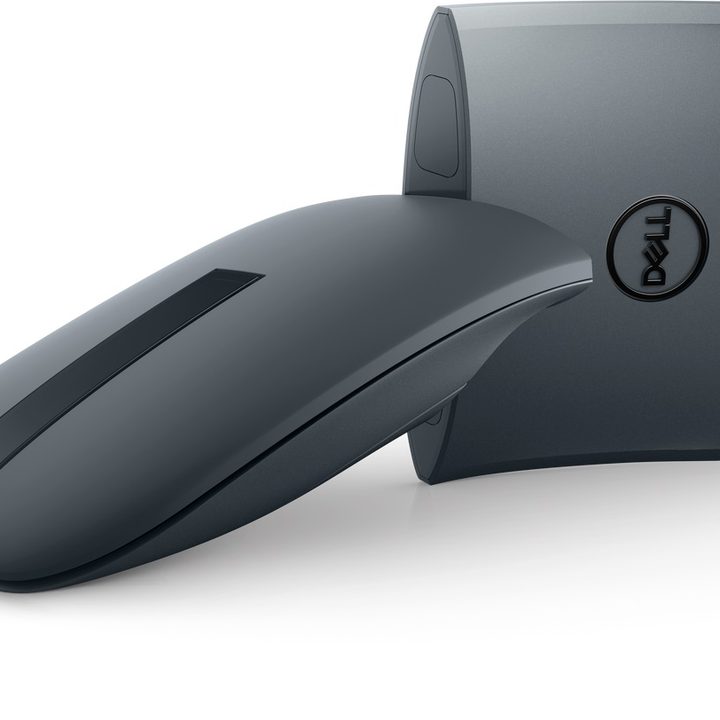
Dell MS700 Bluetooth travel mouse.
Image used with permission by copyright holder

The entire body weighs merely 57 grams (including the battery), making it one of the lightest Bluetooth mice on the market that you can easily slip into your pocket.

Recommended Videos

Dell doesn’t just stop there. The company claims that the MS700 has the longest battery life in a twistable mouse — a healthy 24-month battery life using two AAA batteries, housed under a magnetic snap-on cover.

For making quick and precise movements with confidence, the mouse sports an optical LED sensor while supporting app-adjustable DPI. Users can change the DPI from 1000, 1600, 2400, and 4000 within the Dell Peripheral Manager application. In terms of mouse buttons, the MS700 has a touch scroller flanked by two large left- and right-click areas.
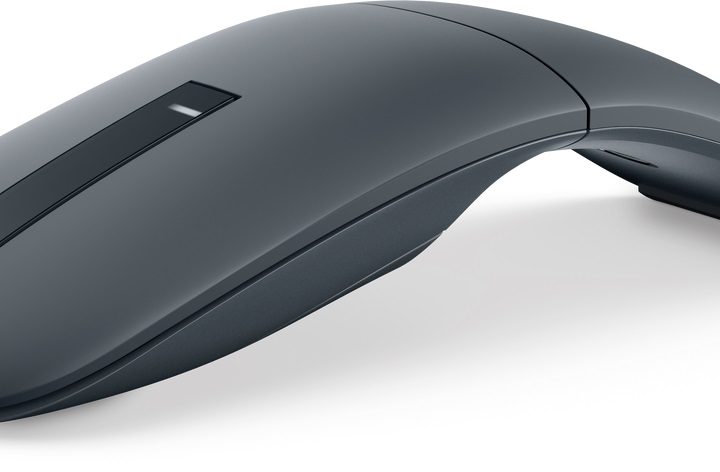
the Dell MS 700 Bluetooth travel mouse full extended.
Image used with permission by copyright holder

The mouse can connect (manually, or via Dell Pair and Microsoft Swift Pair) to up to three devices, then quickly cycle between those paired devices through the Bluetooth button at the bottom of the mouse.

Pricing of the Dell MS700 Bluetooth Travel Mouse is $65 at Dell, currently offered in North America with a three-year warranty and will expand to other regions over the next few weeks.


Aaron Leong
Former Computing Writer
Aaron enjoys all manner of tech - from mobile (phones/smartwear), audio (headphones/earbuds), computing (gaming/Chromebooks)…
Claude’s Sonnet 5 is built to do more on its own and cost you less
Better than its predecessor, nearly as good as the flagship, and meaningfully cheaper than both.
Art, Floral Design, Graphics

Every major AI lab is racing to prove its models can work autonomously with minimal hand-holding; we’re now seeing pricing emerge as the next battleground. 

Anthropic just fired its latest shot, Claude Sonnet 5, a model the company says performs nearly as well as its flagship Opus 4.8 at a fraction of the cost.

Read more
Apple Creator Studio adds AI tools across Final Cut Pro, Logic Pro and Pixelmator Pro
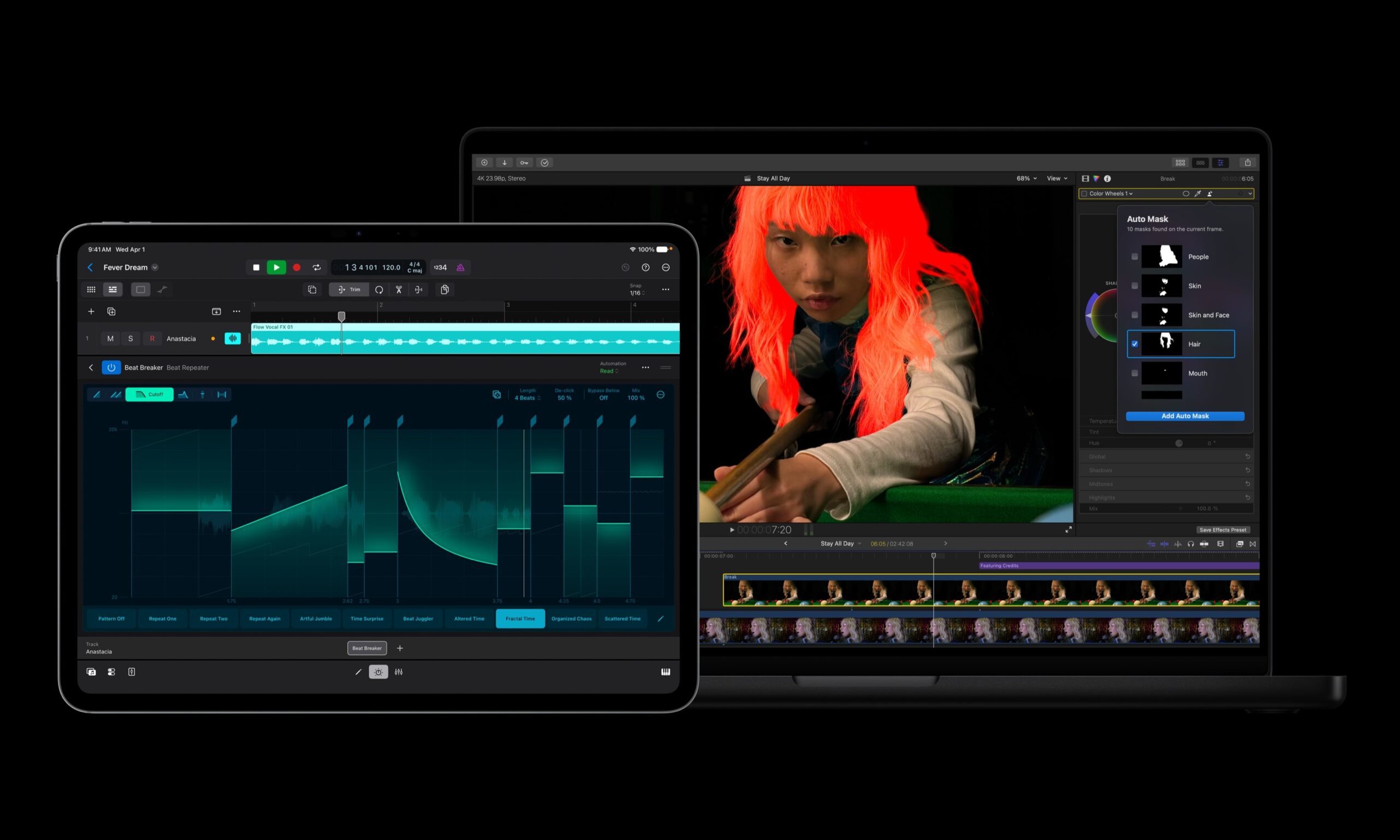
Final Cut Pro gets AI captions, Auto Mask and better Pixelmator Pro workflows in Creator Studio update
Computer Hardware, Electronics, Hardware

Apple has introduced a major update to Apple Creator Studio, adding new AI features, deeper Pixelmator Pro integration, and workflow upgrades across Final Cut Pro, Logic Pro, Keynote, Pages, Numbers, Motion, Compressor, Freeform, and Final Cut Camera.

The update makes Creator Studio more useful across Mac, iPad, and iPhone, especially for people who move between video editing, image editing, presentations, documents, spreadsheets, and music production.

Read more
AI browsers like Perplexity Comet can be tricked into spilling your password through BioShocking exploit
Six AI browsers were found leaking saved passwords and many of them haven't fixed it yet.
MacBook Air in hand, Comet browser loaded—let’s see what Perplexity’s AI can really do

Security researchers just found a strange way to trick AI browsers into handing over your passwords. They managed to trick AI browser agents into exposing sensitive data like saved passwords, session cookies, and private tokens by disguising the theft as part of a harmless "game."

The technique is called BioShocking, named after the popular video game BioShock, where a brainwashed character is manipulated into believing a false reality. Once an AI browser falls for the same trick, it stops following its own safety rules entirely.

Read more