MediaTek is on a roll again with a series of impressive chipsets that promise to revolutionize 5G technology from several angles, including taking it beyond smartphones to devices like fixed wireless 5G routers, mobile hotspots, vehicles, and smart home devices.
While the company has already impressed us with some cutting-edge technology in the new Dimensity 9200 this week, it turns out that’s just the tip of a much bigger iceberg. MediaTek is also using its modem chipmaking skills to produce smaller and more energy-efficient chips capable of powering the next generation of Internet of Things (IoT) devices without compromising on performance.
The MediaTek T800
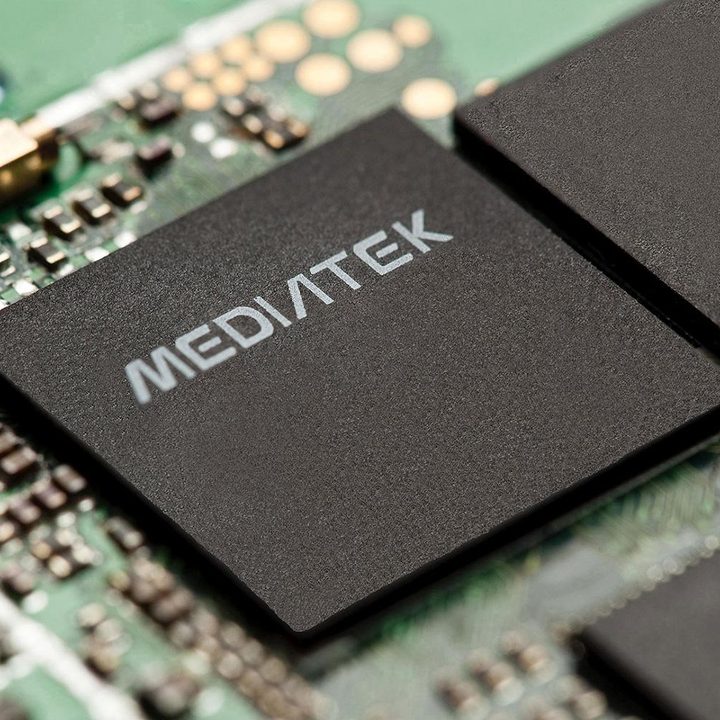
At the core of MediaTek’s strategy is the new T800 chip announced today. This new 5G modem, fabricated using a four-nanometer (4nm) process, builds on the company’s prior-generation T700. That earlier chip was released as part of a collaboration between Intel and MediaTek to produce a 5G modem chip that could power “always connected” PCs and laptops. However, the new T800 takes this to a whole new level that’s far greater than the single-digit name change suggests.
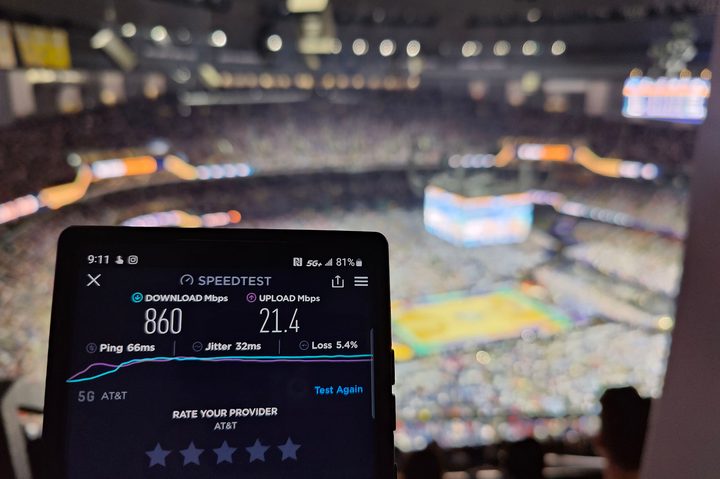
For one thing, the T800 supports both sub-6GHz low-band and mid-band networks as well as ultrafast mmWave frequencies. That’s pretty astonishing in such a small chip, but the upshot is that devices incorporating the T800 will get the fastest 5G performance available, whether they’re roaming the countryside or sitting in a stadium with 70,000 of their closest friends.
It’s not just about the raw frequencies, though. Support for the fastest 5G spectrum isn’t very helpful if the chip can’t keep up. Fortunately, MediaTek’s T800 has the performance specs to match, promising download speeds of up to 7.9Gbps and upload speeds of up to 4.2Gbps. There’s also support for dual 5G SIM cards, making it an ideal solution for devices that need to roam between public and private 5G networks, such as university campuses or factories.
“Consumers today want the ability to access 5G speeds from anywhere. MediaTek’s newest 5G chipset solution allows end users to enjoy high-speed, low-latency 5G wherever they are — offering true computing freedom,” JC Hsu, MediaTek’s Corporate Vice President, said in the company’s press release. “The T800 stands out with super fast, reliable 5G speeds in a highly efficient design that maximizes battery life for an all-around great user experience.”
What’s even more remarkable about the T800 is that MediaTek has worked hard to ensure its 5G modem chip is as power-efficiency as possible. The company is touting new “5G UltraSave power-efficiency technologies” that could make the chip ideal for use in IoT devices that don’t have room for the huge batteries of modern smartphones.
A bright future for a more connected world

We’re likely still years away from having every device in our homes connecting directly to the public 5G network, but carriers like T-Mobile are already making serious inroads into replacing wired broadband connections with wireless 5G routers. With carriers continuing to build out their 5G networks and improve speeds, it’s safe to say that the days of wired home internet may soon be behind us.
The bandwidth and low latency of 5G certainly have the potential to rival the fastest Wi-Fi technologies available today. The ball is in the court of the carriers to provide the coverage and chipmakers like MediaTek to provide the hardware that can take advantage of this. As those pieces fall into place, 5G will become more practical for handling things like autonomous vehicles and drones, which require near-zero latency and can’t rely on always being near an available Wi-Fi network.
However, today’s routers are likely only a temporary measure on our way to a more connected world. As 5G capacity and coverage increase and researchers develop more robust security solutions, everything from your laptop and smart TV to your coffee maker will eventually just connect directly to a global 5G network without needing a home router to play middleman.