
Electric cars are often hailed as being cheaper to operate and repair than gas-powered cars. It makes sense — on the operation side, you only need to pay for electricity (not gasoline), and on the repair side, there’s no motor or transmission to deal with.
But electric cars have other costly repairs, and while in total they do generally cost less than repairs for gasoline cars, it’s worth knowing about the potential costs ahead of time. Perhaps the most obvious, and one of the most costly, has to do with an electric car’s battery. After all, while all cars have batteries, those in electric cars are far bigger and more advanced — and thus can cost quite a bit to replace.
How much does an electric car battery cost?
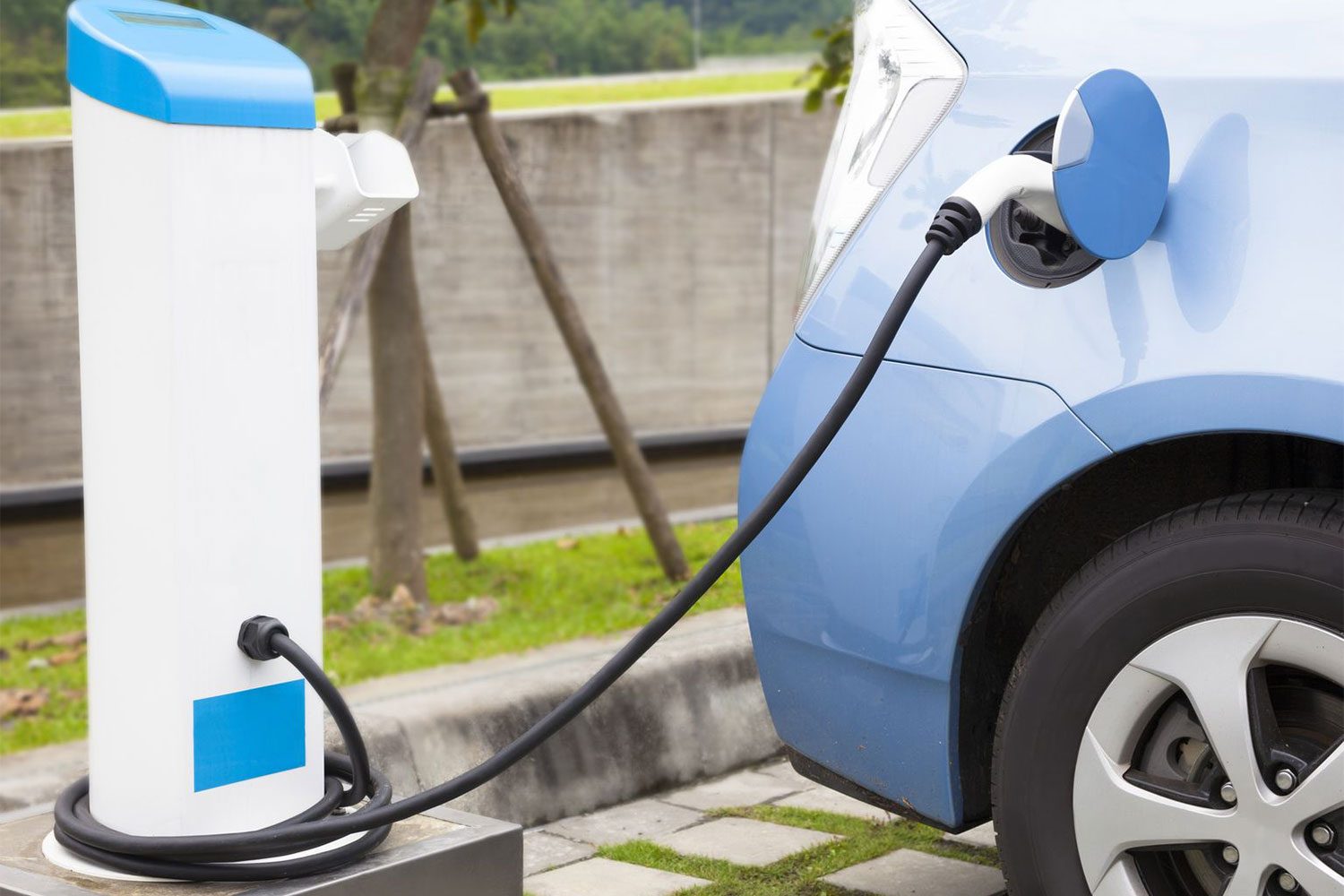
The cost of an electric car battery can vary significantly based on the car’s make and model, the capacity of the battery, and the type of battery used. Generally speaking though, you should expect to pay anywhere from approximately $4,000 to $20,000 to replace an electric car battery, according to NerdWallet.
The precise cost will depend on a variety of factors. For example, at the low end of the equation, you’re likely looking at a battery for a smaller electric car, like a Chevrolet Bolt EUV, whereas at the high end, you’re looking at a battery for a larger electric car with a much longer range, such as a Mercedes EQS SUV.
How much does it cost to replace a Tesla’s battery?
Tesla’s are some of the most popular cars, but they also have some of the biggest and most advanced batteries, in order to achieve a long range and support fast charging speeds.
Still, the price can vary depending on the model you get. For example, Tesla Model 3 owners can expect to pay an estimated $17,000 for a replacement battery (according to an invoice shared by Current Automotive), whereas Tesla Model S owners can expect to pay even more than that.

It’s also worth noting that some Tesla models come with an eight-year warranty on the battery and drive unit (or 120,000 to 150,000 miles, whatever comes first, and depending on the model), which can help mitigate some of the expense. However, if you’re out of warranty and you’re car is exhibiting signs of a bad battery, a replacement could still be necessary.
How long do electric car batteries last?
As with cost, the longevity of an electric car battery depends on a variety of factors, such as the car’s make and model, the type of battery used, and the climate and usage conditions of the car. Generally speaking though, electric car batteries are designed to last at least 10 to 20 years, according to JD Power, and some are rated for even longer life spans. When properly maintained and cared for, some batteries may even last longer.
Some factors may reduce the life span of an electric car battery. For example, extreme temperatures can have an effect, as can fast-charging a car all the time. Occasional fast-charging won’t hurt — but most drivers shouldn’t rely on it as their primary method of charging.


