It’s been rumored that Apple has been working on implementing reverse wireless charging for a while. In fact, Apple has added some necessary components for making reverse wireless charging possible ever since the iPhone 12 (think of the MagSafe Battery Pack). Reports had actually suggested Apple was going to add it to the iPhone 14 and iPhone 14 Pro devices, but it failed to meet the deadline.
According to recent developments, reverse wireless charging, also known as bilateral wireless charging, is something that engineers at Apple continue to work on. It’s also been suggested that Apple’s version may be more advanced than what Android competitors offer. Maybe it’s just been delayed, and it may make its debut with the iPhone 15. Or perhaps it can go the way of AirPower and just be scrapped completely.
At this point, I’m just wondering: does reverse or bilateral wireless charging really make that much of a difference? I’m not sure it does.
What is reverse wireless charging?
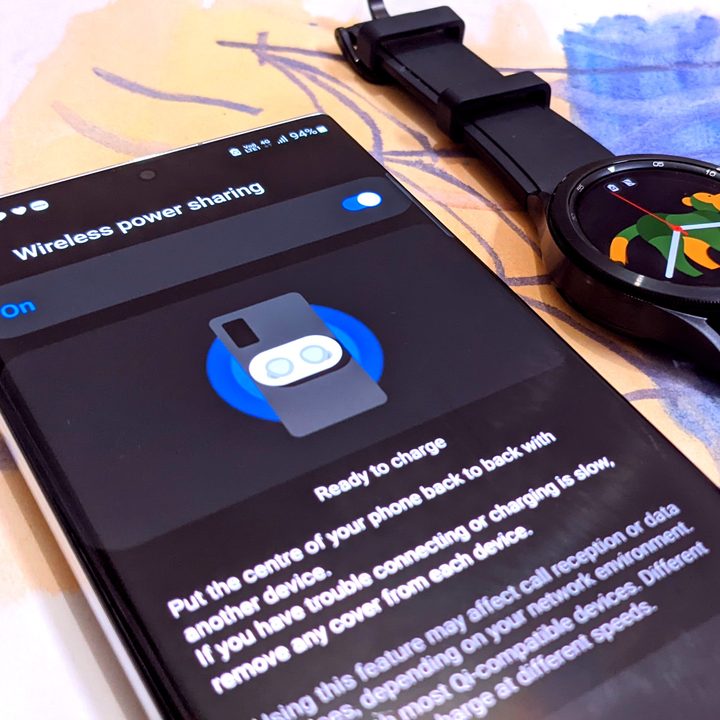
Reverse wireless charging (or bilateral wireless charging) is a feature that you can find in many of the best Android phones, such as the new Samsung Galaxy S23 Ultra. With reverse wireless charging, you can use your smartphone’s battery to charge another device, like a smartwatch, wireless earbuds, or even another smartphone.
While it’s cool and convenient when you’re in a pinch, it’s important to keep in mind that the charging speed with bilateral wireless charging won’t be superfast. Samsung’s Wireless PowerShare charges at 4.5 watts, which is very slow. Regular Qi-compatible wireless charging on iPhones is 7.5W, so bilateral wireless charging is even slower than that. It may be useful if you just need to top off your wireless earbuds or something small, but a whole other phone? Forget about it.
How Apple could do it
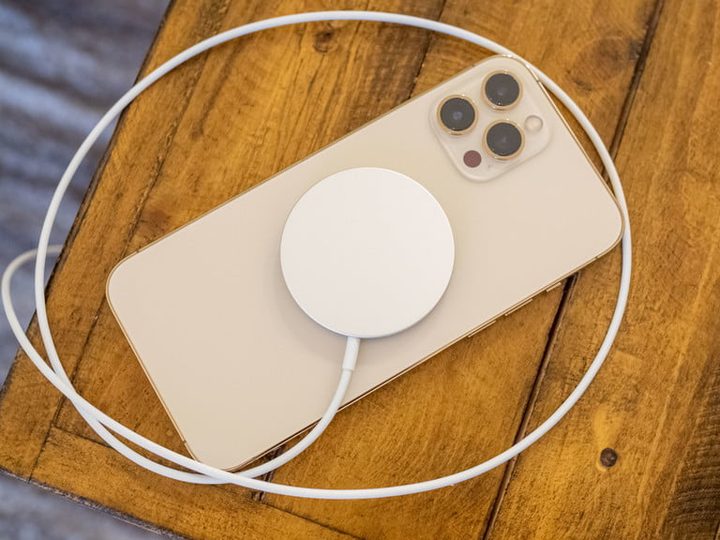
Reverse wireless charging for iPhone rumors have been around for the past few years, ever since the iPhone 11. When Apple added MagSafe with the iPhone 12, there were some hints that bilateral wireless charging could be done with an iPhone.
The MagSafe Battery Pack from Apple is the key here. With the MagSafe Battery Pack attached to your iPhone 12 while the iPhone is plugged in to charge, the battery pack would get a trickle-down charge from the iPhone — though it would be at a slower pace than if you were to plug the battery pack itself in. The concept is basically the same as reverse wireless charging, with a few requirements, like having the iPhone plugged in. However, Apple never actually refers to this as such.
Despite Android competitors having reverse wireless charging, Apple seems to have something bigger in mind, as reports suggest it’s been working on advanced bilateral wireless charging. This would include a “wireless power out” firmware that serves as the base of the feature, according to 9to5Mac. A key element for reverse charging is managing charging speeds for both the iPhone and the device it’s charging, as well as other factors like heat dissipation and charging efficiency.
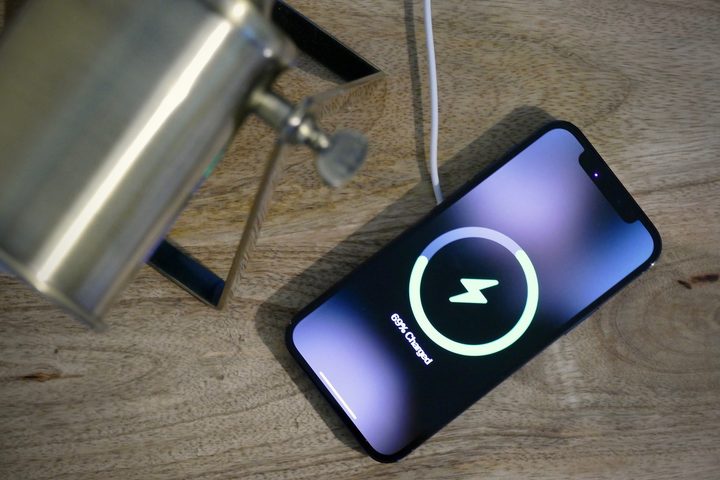
And similar to MagSafe, Apple would also be developing a special user interface for reverse wireless charging, complete with on-screen animations and sounds to indicate that reverse wireless charging has been initiated. However, it’s unclear how this would really work, considering that you typically have the device fac-down on a surface to initiate charging (unless it’s MagSafe-equipped, like the AirPods charging case).
Due to the tricky nature of wireless charging, the feature could be delayed again or scrapped altogether. This has happened before with AirPower, Apple’s concept for a wireless charging mat that could charge an iPhone no matter where it was placed. AirPower was originally announced in 2017, but ultimately canceled in 2019 due to development complications and ultimately not meeting Apple’s own expectations.
OK … but is it really a big deal?
When the rumors first started that Apple may put this feature on the iPhone, I was excited. But it has been dragged out, and at this point, I’m just wondering if it’s going to be worth the wait. Personally, I don’t think I really care anymore.
Sure, Android devices have had this feature for a while now, and it is cool. You just put your phone down and place your wireless earbuds charging case on top, and it’ll start charging. But then you can’t use your phone anymore, and the charging speeds are even slower than Qi-wireless charging on an iPhone!
Of course, since Apple is working on some kind of advancements in bilateral wireless charging technology, it may do things differently than the competition (Qi2 wireless charging will utilize MagSafe-like technology from Apple, bringing MagSafe to Android).
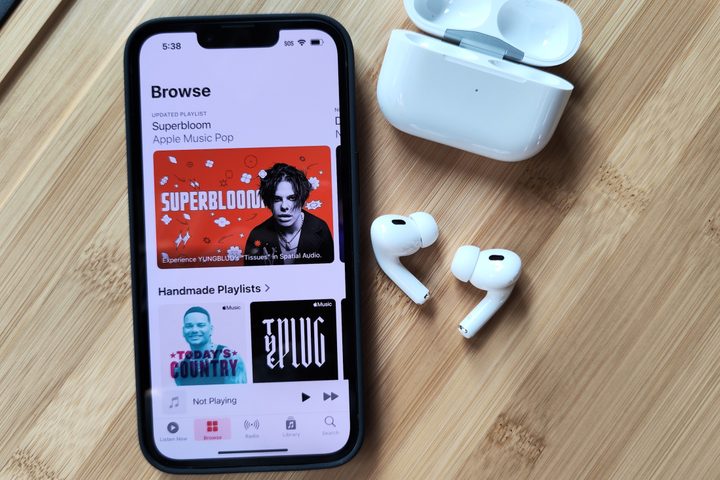
Since Apple has MagSafe on the iPhone, its version of reverse wireless charging could implement MagSafe, which would be great for charging up AirPods and AirPods Pro. And since it would be MagSafe, you could still use your iPhone while doing so. But imagine the awkward bulkiness on the back of the phone? I think it would be pretty difficult to comfortably hold your device with an AirPods charging case stuck on the back.
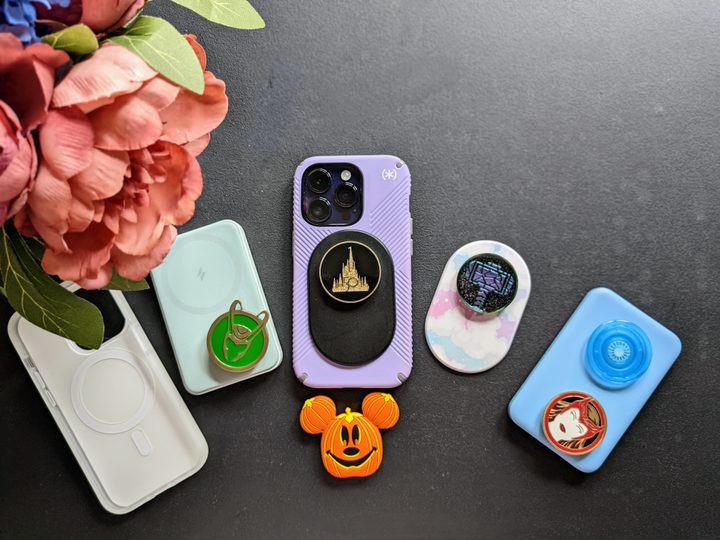
I’m also the type of person who always carries a battery pack with me everywhere in my purse, especially if I’m planning to be somewhere all day, like Disneyland. With that in mind, I think it would be easier to just keep a small battery pack with you instead of relying on your smartphone having reverse wireless charging. After all, the battery pack would charge faster, and allow you to still use your iPhone normally.
I also worry about my iPhone’s battery life sometimes, especially after recent iOS 16 updates that seem to affect battery life (this always happens with every iOS release). I don’t think I really want to divert my iPhone’s juice to charge something else when I can sometimes barely get by on a single charge in a day.
This is one iPhone 15 feature I don’t need
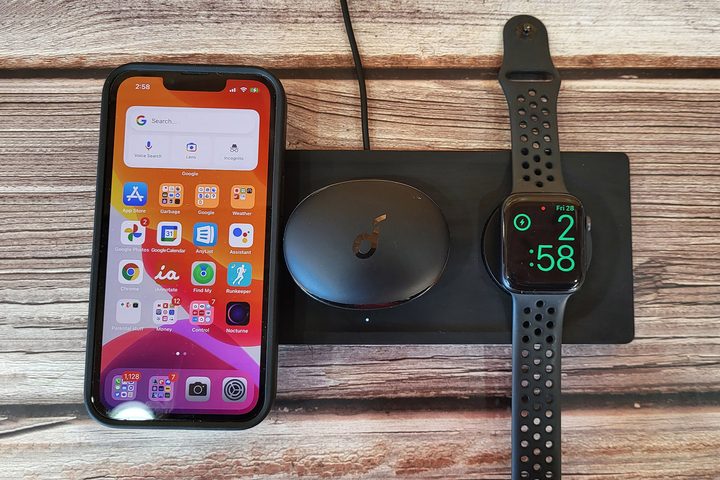
Sure, reverse wireless charging on the iPhone may be useful in a pinch if you have nothing else, but how often will you find yourself in that situation? I’d always recommend a separate battery pack instead, especially MagSafe ones since you don’t even have to deal with cables. Plus, how am I supposed to use my phone while a bulky earbud case is attached to the back of it or if it’s facedown on a table?
I’m just not sure I care whether the iPhone 15 or other future iPhones get reverse wireless charging, assuming that Apple continues to drag its feet. Yeah, it may be useful in an emergency situation when you need to charge something else, but it’s best to not end up in those scenarios to begin with!