The 12VHPWR connector found in Nvidia’s best graphics cards has had its fair share of issues. After dozens of cases of the connector melting during regular usage, the most common cause may have been found, but a permanent solution to the problem has been elusive. Up until now, that is.
Surprisingly, the possible fix comes from Intel, not Nvidia. The company issued a recommendation regarding the design of the connector.
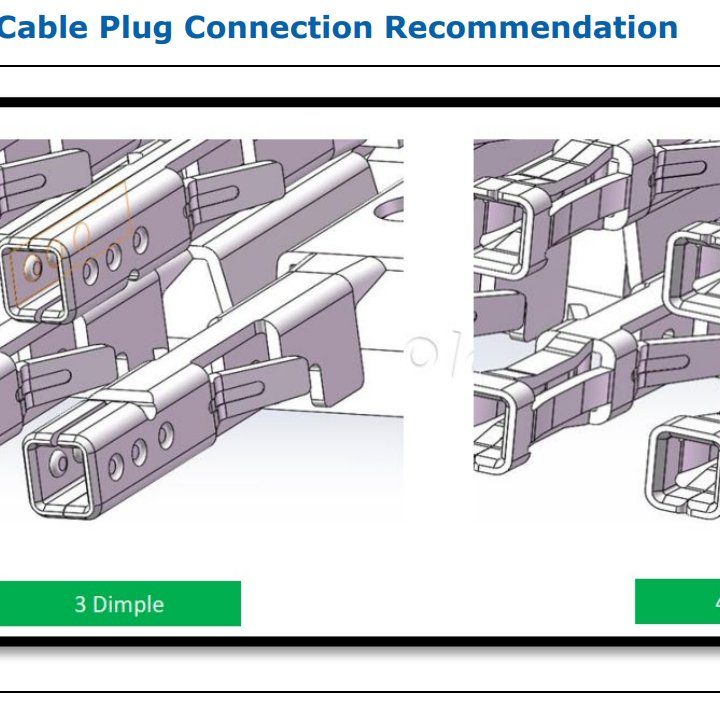
According to Intel’s recent recommendation, there might be a way to avoid the issue of melting cables and GPUs. Intel suggests that if the 12VHPWR connector uses a 4-spring design instead of a 3-dimple design, the connector should be more durable and less prone to melting.
“Crimp Contacts inside of the cable plug are recommended to use the 4-spring design instead of 3-dimple design, which will increase the contact area for electrical current flow inside the 12VHWPR connector and reduce the temperature rise of each contact,” said Intel.
Intel itself doesn’t have any graphics cards that use this connector yet — it really doesn’t need a 12+4-pin connector that can supply up to 600 watts of power to the graphics card. With only Arc Alchemist cards out, it will be a long while before Intel has to worry about this, but it will eventually need to prepare. For now, this recommendation could prove to be useful to Nvidia.
It’s been a while since we’ve last had any new reports about Nvidia’s RTX 4090 power connectors melting, but the issue hasn’t exactly been addressed. It was determined that the connectors are melting due to user error. The cable is notoriously difficult to insert properly, and when it’s not fully seated, melting seems to occur. The graphics card itself is also massive and most chassis don’t have enough space to accommodate the cable. Bending it only adds to the problem.
Although the 12VHPWR connector gets the blame for this, even the custom connector made by CableMod suffered from the same issue. It seemed that the 12+4-pin design just wasn’t doing the GPUs any favors.
As Igor’s Lab found a while ago, the 12VHPWR connector from Nvidia comes in two different flavors, each made by a different supplier and sporting a different design. Igor favored one of those designs, and it appears that Intel is now in agreement.