
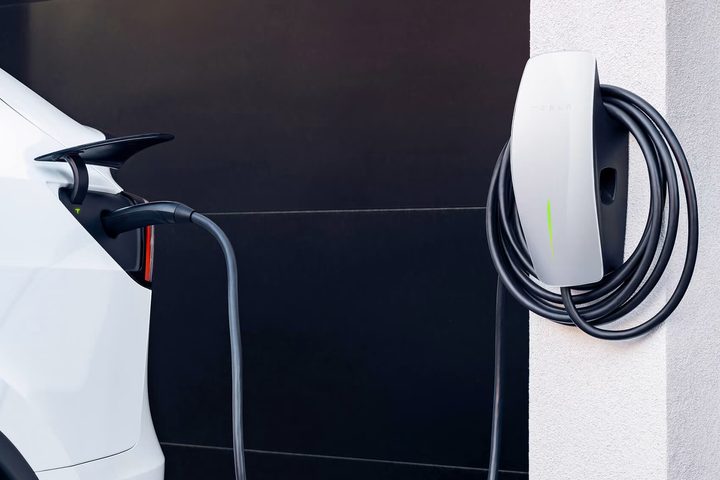
It looks like the days of different charging connectors for different electric cars may be coming to a close. After years of Tesla using its self-designed NACS connector, and pretty much everyone else using the CCS connector, it seems like everyone will ultimately switch to the Tesla NACS port.
Of course, that will take some time, and not every company has announced that they’re switching to the NACS connector just yet. When (and if) they do, however, there will be one unifying charging standard in the U.S., allowing any EV driver to go to any charging station. This should help alleviate much of the confusion around charging standards.
So which cars are set to get the NACS connector? Here’s a list of the companies that are switching so far, and when their new models will adopt the standard. Further down, we’ve also included news from the major charging station companies, which are also shifting to offer NACS plugs.
Car companies
Quite a few car companies have promised to adopt the NACS connector on their upcoming EVs. Here’s a list of them so far.
Ford

Ford was the first to announce that it was partnering with Tesla to adopt the NACS connector and switching away from the CCS connector. Ford says that EVs with the NACS connector will start rolling out by 2025, and it’ll offer an adapter for current-generation cars to charge at NACS-equipped charging stations “soon.”
General Motors
General Motors followed Ford’s lead, announcing that its brands would switch away from CCS to the NACS plug by 2025. General Motors also said that it would offer a plug adapter by spring 2024, so that older EVs can take advantage of charging stations with NACS plugs. This switch will include the likes of Chevrolet, Cadillac, Buick, and other General Motors brands.
Mercedes-Benz
Mercedes-Benz has said that it will switch to the NACS plug on its electric cars by 2025.
Nissan
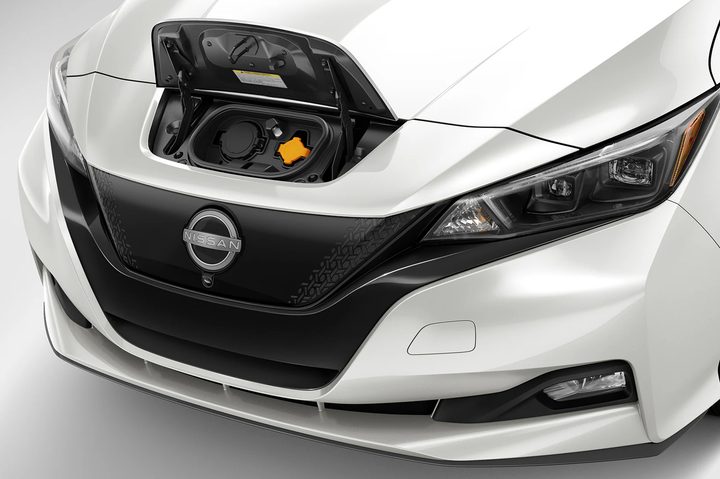
Nissan will switch from CCS to NACS “beginning in 2025.” That means it may be a little behind the other companies that have promised an NACS connector “by 2025.” In 2024, Nissan says that it will also provide an adapter for EV owners who have cars with a CCS port. It’s currently unclear if the adapter will be available for free, or an additional accessory.
Volvo
Volvo has said that it will adopt the NACS connector, and will offer it on cars by 2025.
Polestar

Polestar is a sister company to Volvo, so like Volvo, Polestar says that it will adopt the NACS connector by 2025.
Rivian
Rivian is a major player in the EV space, and it too has said that it will adopt the NACS connector. Like other companies, Rivian says that it will offer cars with NACS connectors by 2025, but it will offer access to the Tesla Superchager network, via an adapter, by 2024.
Tesla
Having created the NACS connector, all Tesla cars have come with the connector for years, and will continue to do so.
Charging companies
It’s not just car companies that are set to adopt the new charging connector. With an influx of new cars that support NACS, chargers will need to make the switch as well. Here are the charger companies that are set to adopt NACS.
ChargePoint

ChargePoint is a major player in the home and public charging space, and it was one of the first to start offering CCS chargers. Now, the company has said it will offer NACS plugs by the end of 2023 — though don’t expect all ChargePoint to offer NACS connectors any time soon. It will take a while before a large portion of ChargePoint chargers have NACS plugs.
Electrify America
Electrify America is another major player in this space, and it’s the largest EV charging network in the U.S., outside of Tesla. Electrify America has said that it will offer NACS connectors across its 850 stations by 2025 — so expect to be able to use the connector with your new EV at an Electrify America station.


