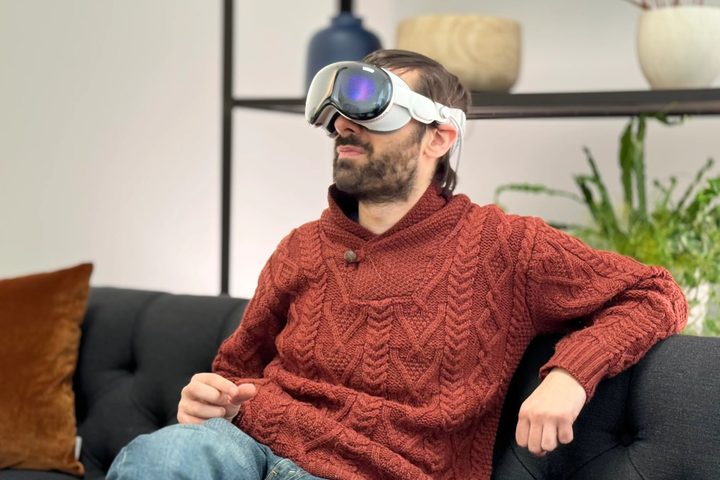
Apple’s Vision Pro headset lit the world on fire when it was announced at the Worldwide Developers Conference (WWDC) in June 2023, and again when it launched in February of this year. But in the months since, it’s apparently been losing steam, with sales down and people staying away from in-store demonstrations. That doesn’t bode well for Apple’s “next big thing.”
The key question, though, is whether this an actual problem for Apple. And if so, what can the company do about it?
In free fall?
If you read Bloomberg journalist Mark Gurman’s latest Power On newsletter, you’ll see some concerning reporting, at least from Apple’s perspective. Citing staff at Apple’s retail stores, Gurman claims that “Demand for [Vision Pro] demos is way down. People who do book appointments often don’t show up.”
Worse, the Power On newsletter adds that “sales — at least at some locations — have gone from a couple of units a day to just a handful in a whole week.” That suggests interest in the Vision Pro is in free fall.
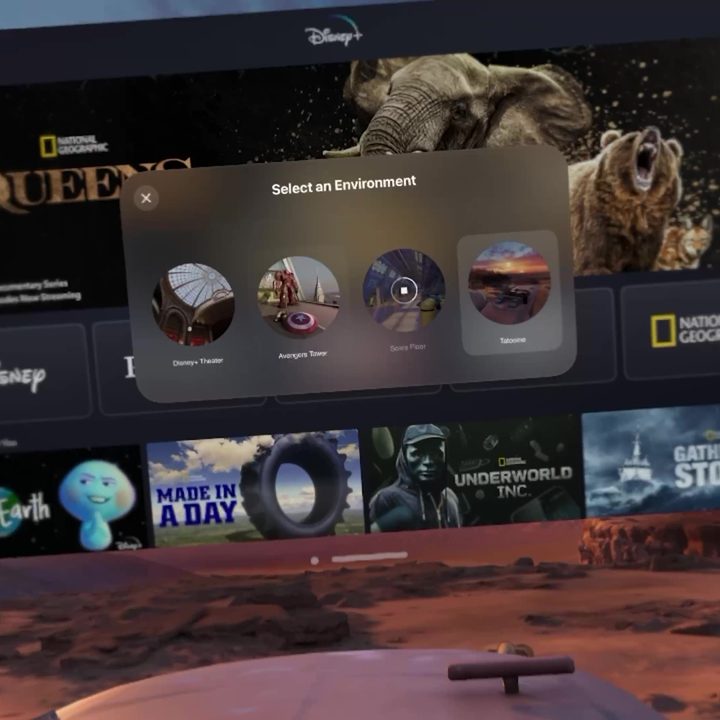
It’s not just Apple Store sources that are painting this picture. Earlier this month, App Store analytics platform Appfigures published a story outlining how launches of new apps designed specifically for the Vision Pro (that is, not iOS apps that have been updated to work with the headset) have fallen dramatically since the headset was released in February.
For instance, when Vision Pro app submissions first opened in January, 73 new apps and games were submitted to the product’s App Store. The week after, that number rose to 82, then leapt to 150 the following week.
Shortly after that, the Vision Pro launched, and that’s when the problems started. App submissions have plummeted ever since, with Appfigures’ analysis suggesting that just one new app made it onto the App Store by the last week of March. That’s a tremendous drop-off.
Learning from the Mac
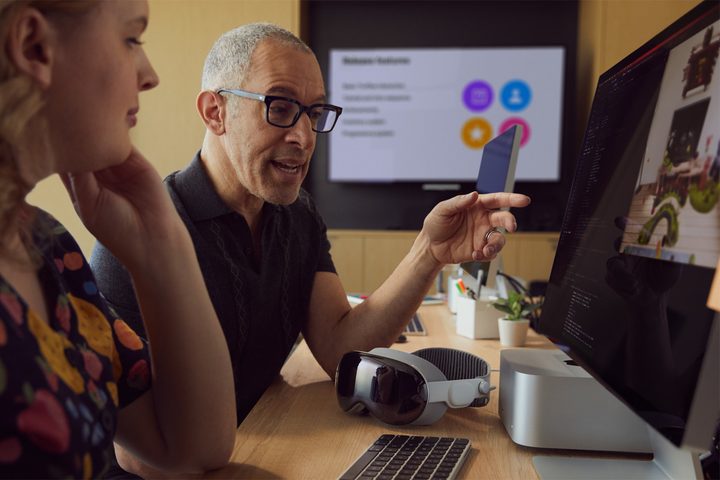
Together, Gurman’s report and the Appfigures investigation suggest that the Vision Pro could be in a serious decline, with both consumers and developers supposedly losing interest. If that’s true, this has the potential to become a vicious cycle for the headset, with consumers staying away due to a lack of apps and developers being discouraged by the lack of app users.
That’s the kind of situation Mac gaming faced for many years, yet Apple looks to be righting the ship there thanks to aggressive Mac performance improvements and a policy of working with developers to get their games onto the Mac. Could a similar thing be possible for the Vision Pro?
Well, the first part of the equation — improvements to the device itself — seems not only eminently possible, but entirely likely. There are long-standing rumors that Apple is working on a second-generation Vision Pro with better performance and features, and it makes sense that the headset is in line for some upgrades.
Apple also has a largely positive relationship with its developers (barring a few App Store squabbles). Before the headset launched, I spent time interviewing Vision Pro developers and their response was almost universally positive, with the vast majority saying that creating apps for the headset was both easy and enjoyable.
That makes me think that Apple has every chance of turning things around for the Vision Pro. I don’t think the lack of new apps is because developers don’t want to work with the device, but rather because most are waiting to see whether it will pick up before investing their time and effort into the platform.
But in order to get there, Apple needs to make some changes to its Vision Pro lineup, namely by introducing a cut-price model that is actually affordable for most people. That could be the single biggest factor in improving the device’s fortunes.
Good news and bad news
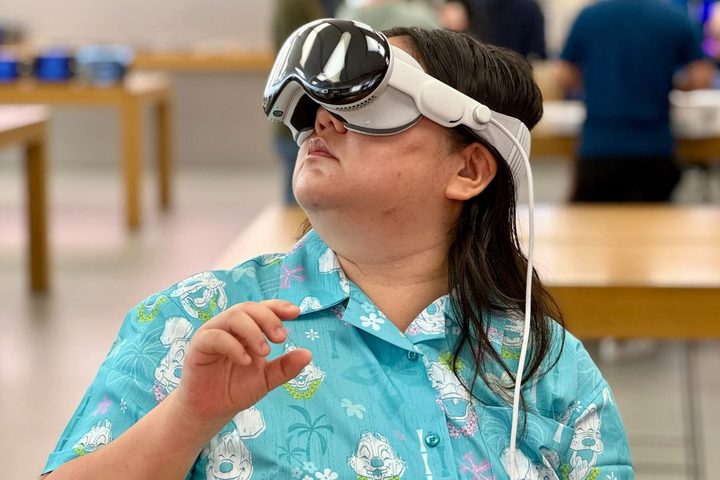
I’ll start with the good news: We know a cheaper Vision Pro headset is on the way. We’ve seen report after report from numerous highly reputable sources claiming that this is the case. When that happens, it’s usually a good bet that the prediction will come to pass.
OK, but what about the bad news? According to the latest rumors, the cheaper Vision Pro might not actually be that cheap, and it may not launch until 2025 or 2026. That’s a long time to wait considering the apparently declining interest in the headset, which means Apple risks waiting too long to play its hand. Will the device have completely run out of steam by the time the more affordable version arrives?
Ultimately, I don’t think Apple is overly concerned. With a $3,499 price tag, Apple always knew the headset would not sell in huge numbers. It’s a niche product competing in an immature market. It’s also made for first adopters and die-hard Apple fans, not the general public. Sales numbers were always going to start from a low base and were never going to be phenomenal.
I’m not excessively worried either, but that rests on Apple being able to quickly follow up with a more accessible Vision Pro that is priced much more reasonably. Apple needs the rumored cut-price headset, and it needs it fast.
Right now, Apple has all the right pieces in place — the developer goodwill, the quality product, the interesting apps — but it needs to move things on quickly before interest totally fades. That is probably the most important issue the Vision Pro faces at this time.
Ultimately, the Worldwide Developers Conference (WWDC) 2024 will be absolutely crucial. It’s a developer-focused event, so it’s the perfect time for Apple to make a convincing pitch to developers to return to the Vision Pro. And if it can show off some enticing new use cases for the device, consumers might respond positively as well.
That means all eyes will be on June 10 to see what Apple has in store for us. The future of the Vision Pro hangs in the balance.