It’s been barely a few months since the Humane AI Pin launched to consumers, but Humane may already be in trouble. According to a report from Bloomberg, Humane — which first announced the AI Pin in November and officially released it in April to mixed to mostly negative reviews — may already be seeking a buyer.
The company is reportedly seeking between $750 million to $1 billion from its prospective buyer, according to an anonymous source Bloomberg spoke with. That would be in line with the $850 million valuation reported by The Information, though Humane itself has never revealed an official valuation for any of its funding rounds.
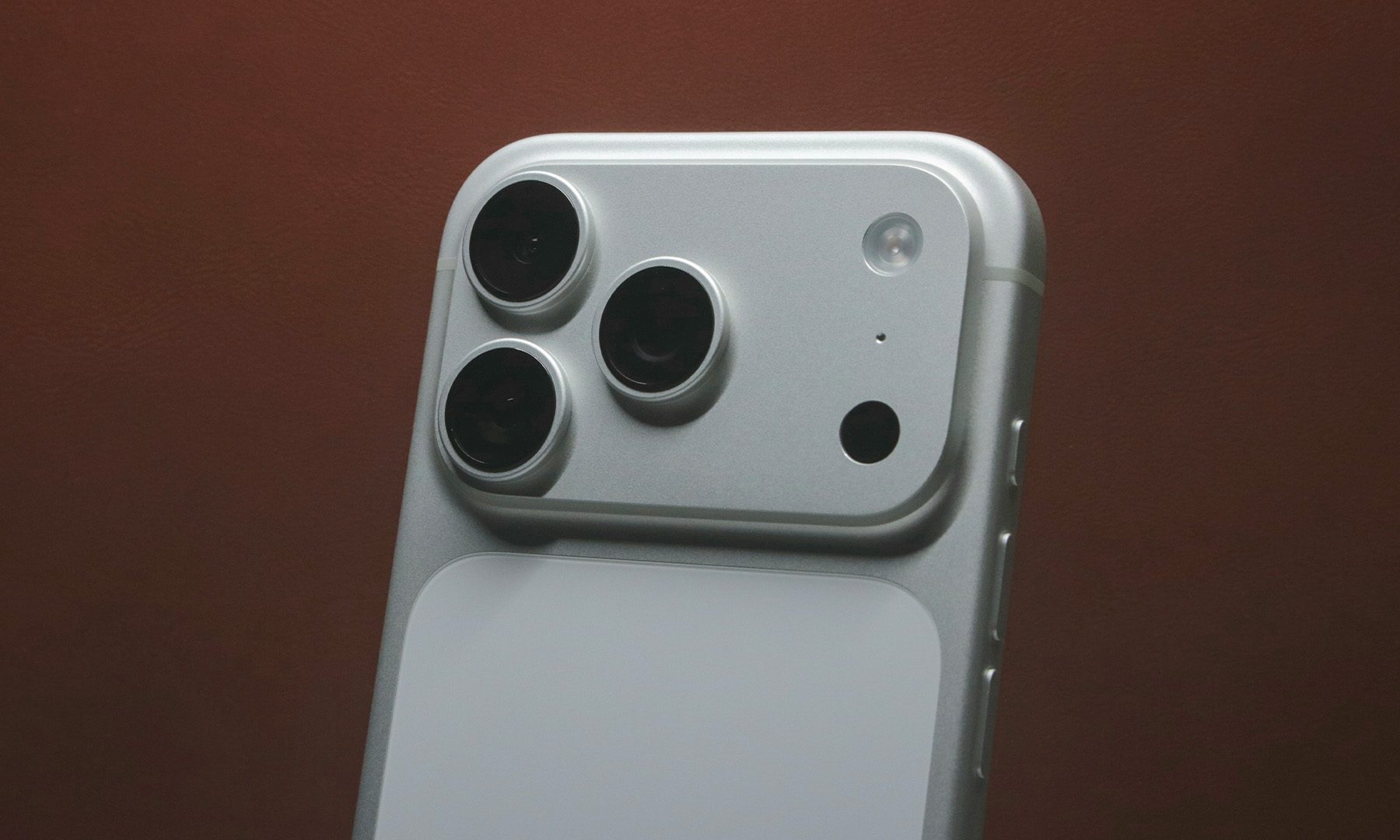
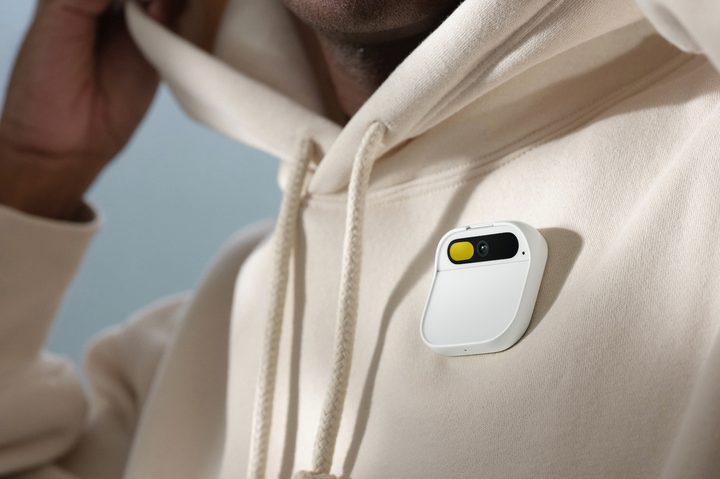
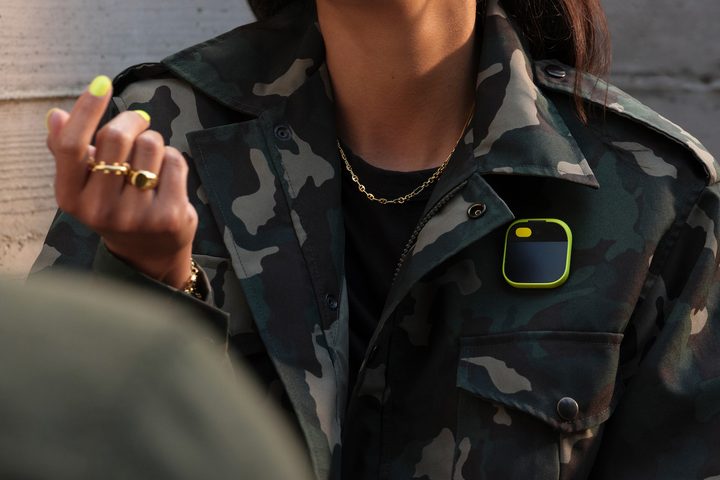
For those who’ve missed the hype, the Humane AI Pin was pitched as an “ambient” computer packing generative AI into a wearable pocket protector form factor. It also has a laser projector display and an array of sensors. While it was created as a wearable, in the long term, Humane envisioned (and possibly still envisions) the AI Pin replacing your smartphone. Unfortunately for Humane, it doesn’t seem to have succeeded in that goal.
The AI Pin itself costs $700, but the required subscription will cost you $24 a month to use the AI services with an unlimited number of queries. It also includes a phone number and unlimited data, making it about as costly as a phone when accounting for the subscription plan.
The problem was that it wasn’t a full-fledged smartphone replacement, as many reviews made clear, including a notorious one from MKBHD titled “The Worst Product I’ve Ever Reviewed…For Now,” which spawned a lot of commentary on X that his review would kill the company. That was in addition to other issues the AI Pin suffered from, including its slow response time to queries, its main interactions being voice commands and the janky laser display, and its reliance on having a network connection. It also experienced poor battery life and overheating problems.
More recently, Humane has also faced competition from the Rabbit R1, which comes in a more familiar and eye-catching form factor as a pocket AI assistant, includes a regular screen, and has a reasonable $199 price. There are also the wearable Meta Ray-Bans, which can respond to voice commands, snap pictures, play music, take phone calls, and more.
With sales of the AI Pin almost certainly not meeting expectations, it’s not surprising to see Humane put itself on the market. The company’s chief technology officer, Patrick Gates, who joined in 2019, left the company in January before the AI Pin launch, and about 4% of the workforce was laid off. AI has the potential to be a great addition to smart devices, but not all smart devices are created equal, as Humane may have just proven.