  1. Home
  2. Computing
  3. News

Digital Trends may earn a commission when you buy through links on our site. Why trust us?

OpenAI never disclosed that hackers cracked its internal messaging system

Add as a preferred source on Google
A concept image of a hacker at work in a dark room.
Microbiz Mag

A hacker managed to infiltrate OpenAI’s internal messaging system last year and abscond with details about the company’s AI design, according to a report from the New York Times on Thursday. The attack targeted an online forum where OpenAI employees discussed upcoming technologies and features for the popular chatbot, however, the systems where the actual GPT code and user data are stored were not impacted.

While the company disclosed that information to its employees and board members in April 2023, the company declined to notify either the public or the FBI about the breach, claiming that doing so was unnecessary because no user or partner data was stolen. OpenAI does not consider the attack to constitute a national security threat and believes the attacker was a single individual with no ties to foreign powers.

Recommended Videos

Per the NYT, former OpenAI employee Leopold Aschenbrenner previously raised concerns about the state of the company’s security apparatus and warned that its systems could be accessible to the intelligence services of adversaries like China. Aschenbrenner was summarily dismissed by the company, though OpenAI spokesperson Liz Bourgeois told the New York Times his termination was unrelated to the memo.

This is far from the first time that OpenAI has suffered such a security lapse. Since its debut in November 2022, ChatGPT has been repeatedly targeted by malicious actors, often resulting in data leaks.  In February of this year, user names and passwords were leaked in a separate hack. The previous March, OpenAI had to take ChatGPT offline entirely to fix a bug that revealed users’ payment information, including the first and last name, email address, payment address, credit card type, and the last four digits of their card number to other active users. Last December, security researchers discovered that they could entice ChatGPT to reveal snippets of its training data simply by instructing the system to endlessly repeat the word “poem.”

“ChatGPT is not secure. Period,” AI researcher Gary Marcus told The Street in January. “If you type something into a chatbot, it is probably safest to assume that (unless they guarantee otherwise), the chatbot company might train on those data; those data could leak to other users.” Since the attack, OpenAI has taken steps to beef up its security systems, including installing additional safety guardrails to prevent unauthorized access and misuse of the models, as well as establishing a Safety and Security Committee to address future issues.


Andrew Tarantola
Former Computing Writer
Andrew Tarantola is a journalist with more than a decade reporting on emerging technologies ranging from robotics and machine…
Claude’s Sonnet 5 is built to do more on its own and cost you less
Better than its predecessor, nearly as good as the flagship, and meaningfully cheaper than both.
Art, Floral Design, Graphics

Every major AI lab is racing to prove its models can work autonomously with minimal hand-holding; we’re now seeing pricing emerge as the next battleground. 

Anthropic just fired its latest shot, Claude Sonnet 5, a model the company says performs nearly as well as its flagship Opus 4.8 at a fraction of the cost.

Read more
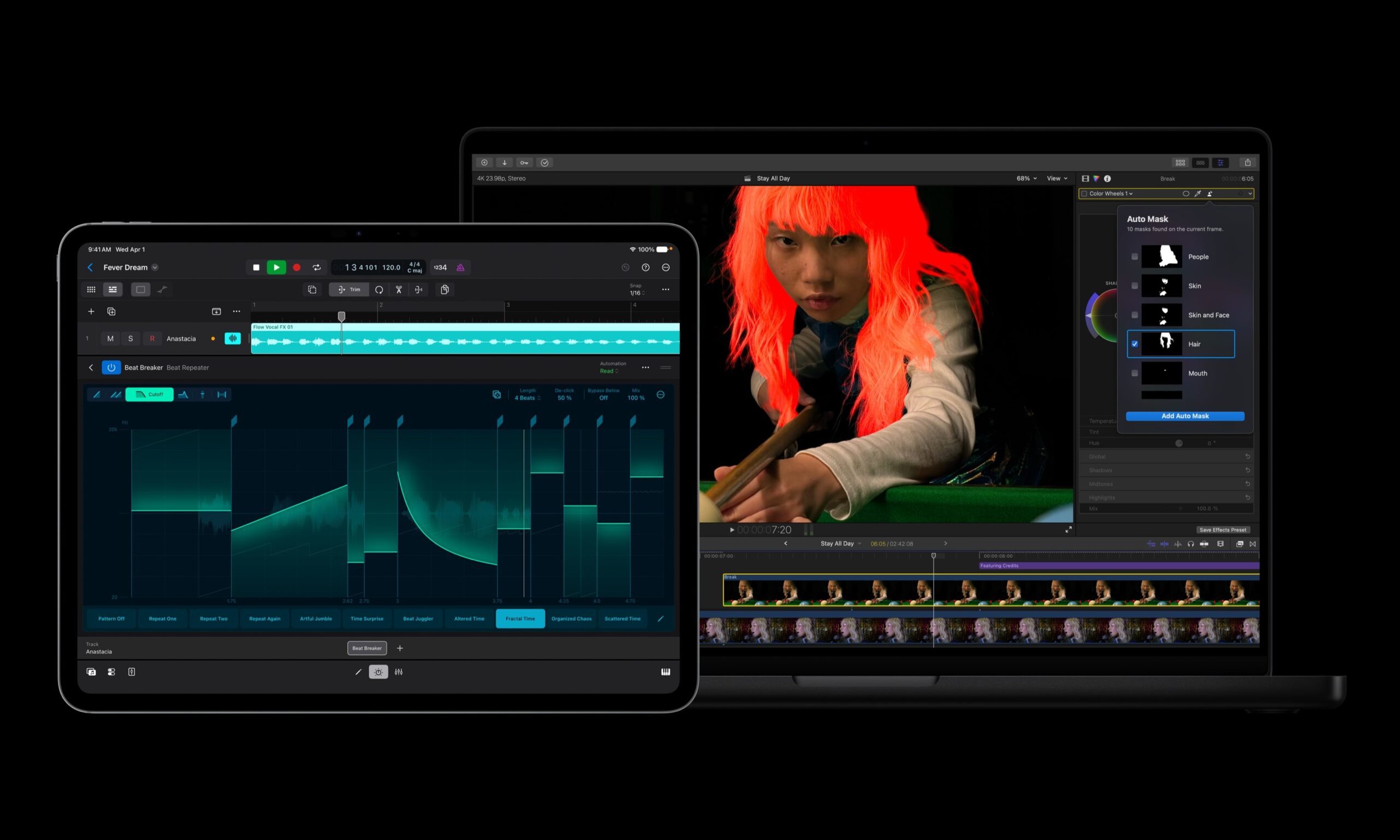
Apple Creator Studio adds AI tools across Final Cut Pro, Logic Pro and Pixelmator Pro
Final Cut Pro gets AI captions, Auto Mask and better Pixelmator Pro workflows in Creator Studio update
Computer Hardware, Electronics, Hardware

Apple has introduced a major update to Apple Creator Studio, adding new AI features, deeper Pixelmator Pro integration, and workflow upgrades across Final Cut Pro, Logic Pro, Keynote, Pages, Numbers, Motion, Compressor, Freeform, and Final Cut Camera.

The update makes Creator Studio more useful across Mac, iPad, and iPhone, especially for people who move between video editing, image editing, presentations, documents, spreadsheets, and music production.

Read more
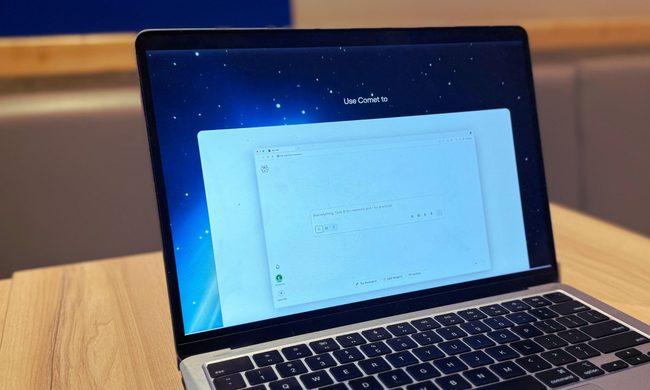
AI browsers like Perplexity Comet can be tricked into spilling your password through BioShocking exploit
Six AI browsers were found leaking saved passwords and many of them haven't fixed it yet.
MacBook Air in hand, Comet browser loaded—let’s see what Perplexity’s AI can really do

Security researchers just found a strange way to trick AI browsers into handing over your passwords. They managed to trick AI browser agents into exposing sensitive data like saved passwords, session cookies, and private tokens by disguising the theft as part of a harmless "game."

The technique is called BioShocking, named after the popular video game BioShock, where a brainwashed character is manipulated into believing a false reality. Once an AI browser falls for the same trick, it stops following its own safety rules entirely.

Read more