1. Home
  2. Computing
  3. News

We just learned something surprising about how Apple Intelligence was trained

Add as a preferred source on Google
Apple Intelligence update on iPhone 15 Pro Max.
Apple Intelligence has spurred some notable delays that extend well into 2025. Nadeem Sarwar / Digital Trends

A new research paper from Apple reveals that the company relied on Google’s Tensor Processing Units (TPUs), rather than Nvidia’s more widely deployed GPUs, in training two crucial systems within its upcoming Apple Intelligence service. The paper notes that Apple used 2,048 Google TPUv5p chips to train its AI models and 8,192 TPUv4 processors for its server AI models.

Nvidia’s chips are highly sought for good reason, having earned their reputation for performance and compute efficiency. Their products and systems are typically sold as standalone offerings, enabling customers to construct and operate them as the best see fit.

Recommended Videos

Google’s TPUs, on the other hand, are only available to users as part of the company’s larger cloud services package. That is, you don’t own Google TPUs so much as lease access to them as customers are required to develop their AI models within the Google Cloud ecosystem.

This cloud requirement worked in Apple’s favor, per the research team. They noted that the ability to cluster Google’s TPUs enabled them to harness the necessary processing power to train Apple’s AI models and do so more efficiently than with a standalone system.

Apple’s decision to use Google’s products is unexpected, and not just because of the two companies’ longstanding rivalry. Nvidia boasts the dominant market share in terms of AI chips, its accelerators constituting between 70% and 95% of all sales.

However, Apple’s decision could be seen as a sign that tech companies are looking to move away from Nvidia’s pricey high-end chips. Amazon, for example, recently revealed that it is developing a new line of AI chips that are purportedly 50% more powerful than Nvidia’s offerings and operate using 50% less power.

Microsoft in May announced that it will offer its cloud customers services built atop AMD’s AI chips, rather than Nvidia’s, while Google made similar moves in April.

Andrew Tarantola
Former Computing Writer
Andrew Tarantola is a journalist with more than a decade reporting on emerging technologies ranging from robotics and machine…
You can now lease an iPhone, iPad, Mac, or Apple Watch with Apple Upgrade
Launched in partnership with Klarna, the new program gets you an iPhone for as little as $17.99 a month.
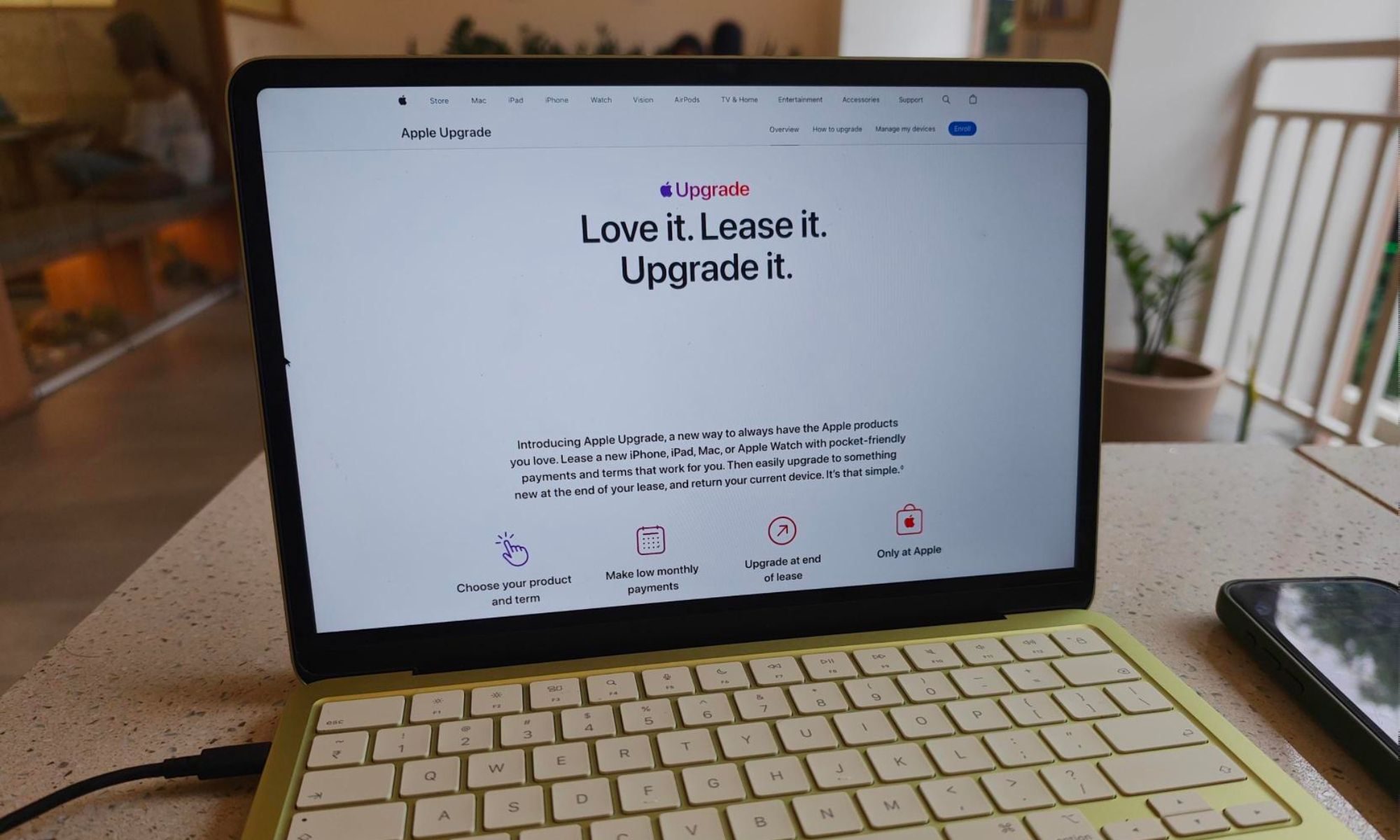
Apple Upgrade site on a MacBook Neo

Apple has officially launched Apple Upgrade, a leasing program that lets customers pay monthly for an iPhone, iPad, Mac, or Apple Watch instead of buying the device outright. The program went live today on Apple's website in partnership with Klarna, replacing the iPhone Upgrade Program that Apple has offered since 2015.

How the program works

Read more
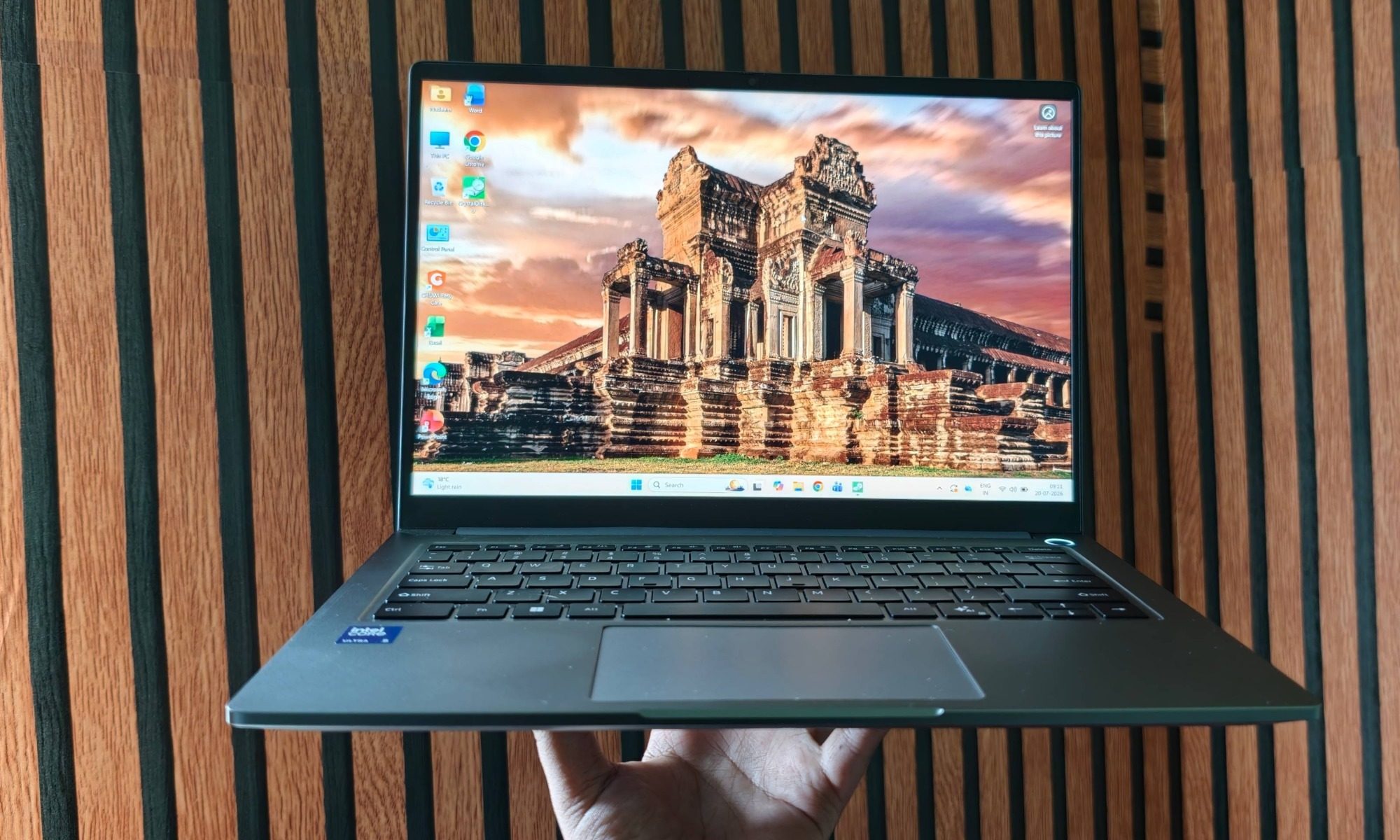
Chuwi CoreBook Air review: A rewarding budget laptop that wants you to cross the brand boundary
Chuwi's CoreBook Air is a relatively unknown, but a heavy-hitting budget machine for the AI-first computing era.
Computer, Electronics, Laptop

View at Chuwi

Quick verdict

Read more
AI’s latest problem is deepfake disaster content for farming engagement
Fake and recycled videos from disasters in Venezuela and China are making social media feeds harder to trust when people need accurate updates quickly
Electronics, Screen, Adult

Social feeds around the earthquakes in Venezuela filled with recycled footage and AI-generated destruction. Severe weather in China attracted its own wave of AI disaster videos, including fabricated flood scenes and false reports of power outages.

It creates an ugly race. People want immediate evidence of what happened, and AI slop can deliver something dramatic before reliable information catches up. Authentic updates are left competing with fiction precisely when confusion can send people scrambling for answers.

Read more