  1. Home
  2. Phones
  3. Mobile
  4. News

Instagram finally ends the most vexing side of its content feed

Add as a preferred source on Google
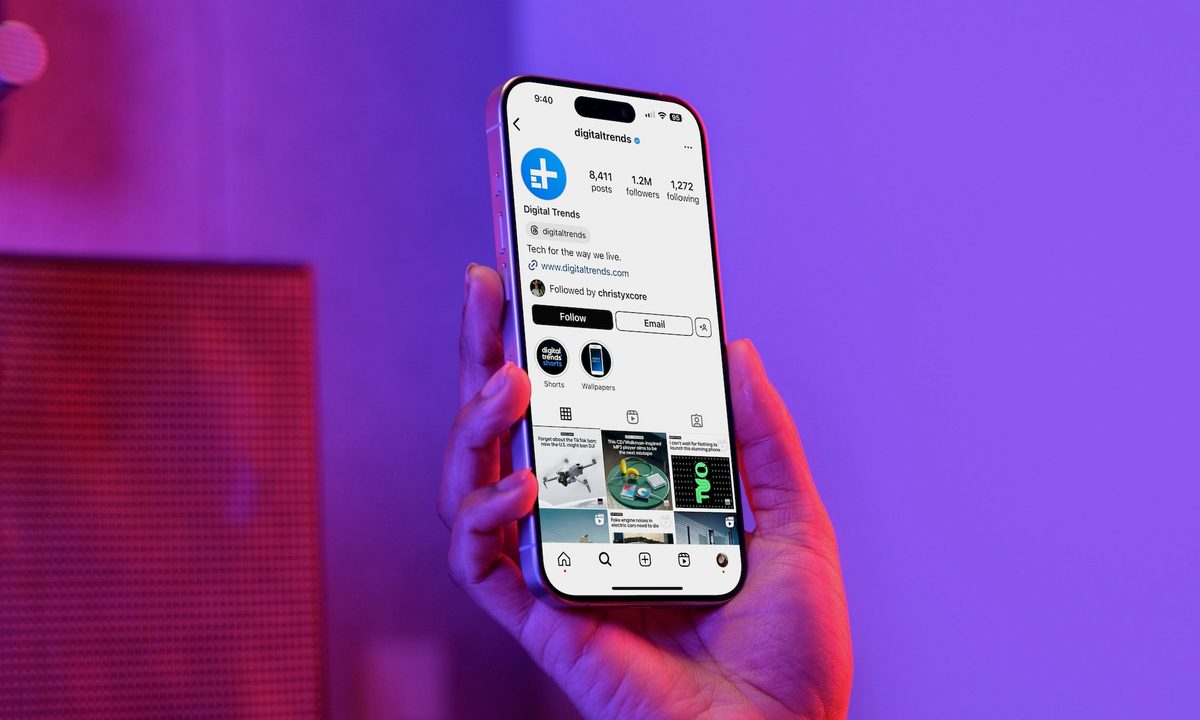
A person holding a phone with the Instagram app open on it.
Bryan M. Wolfe / Digital Trends

One of the most infuriating things about opening a social media app is landing on a piece of content and then the app suddenly decides to refresh the feed before you are done fully watching it. Instagram is one of those platforms, and so is X.

Well, it seems Instagram has made the course correction and will no longer refresh the feed upon launching the app unless users physically swipe up or down to scroll past it. The change was confirmed by Instagram chief Adam Mosseri in an AMA session.

Recommended Videos

It was not a bug, as the saying goes in the tech circles. Instead, it was a deliberate UI decision with some technical reasoning behind it. According to Mosseri, the whole system was referred to as “rug pull,” apparently a cheeky reference to the crypto scam where a bad actor suddenly abandons the project after making a bank.

Literary inspirations aside, it was a poor decision. Even Mosseri admitted to as much. “It’s really annoying,” he quipped in an update shared on his Instagram account, discussing recent changes to the platform that users might not be aware of.

So why exactly did Instagram embrace such a frustrating tactic in the first place? “We did that because we were trying to load content and it was taking a while, so we showed you something that was already downloaded in the meantime,” Mosseri said. “Generally, it’s good for engagement.”
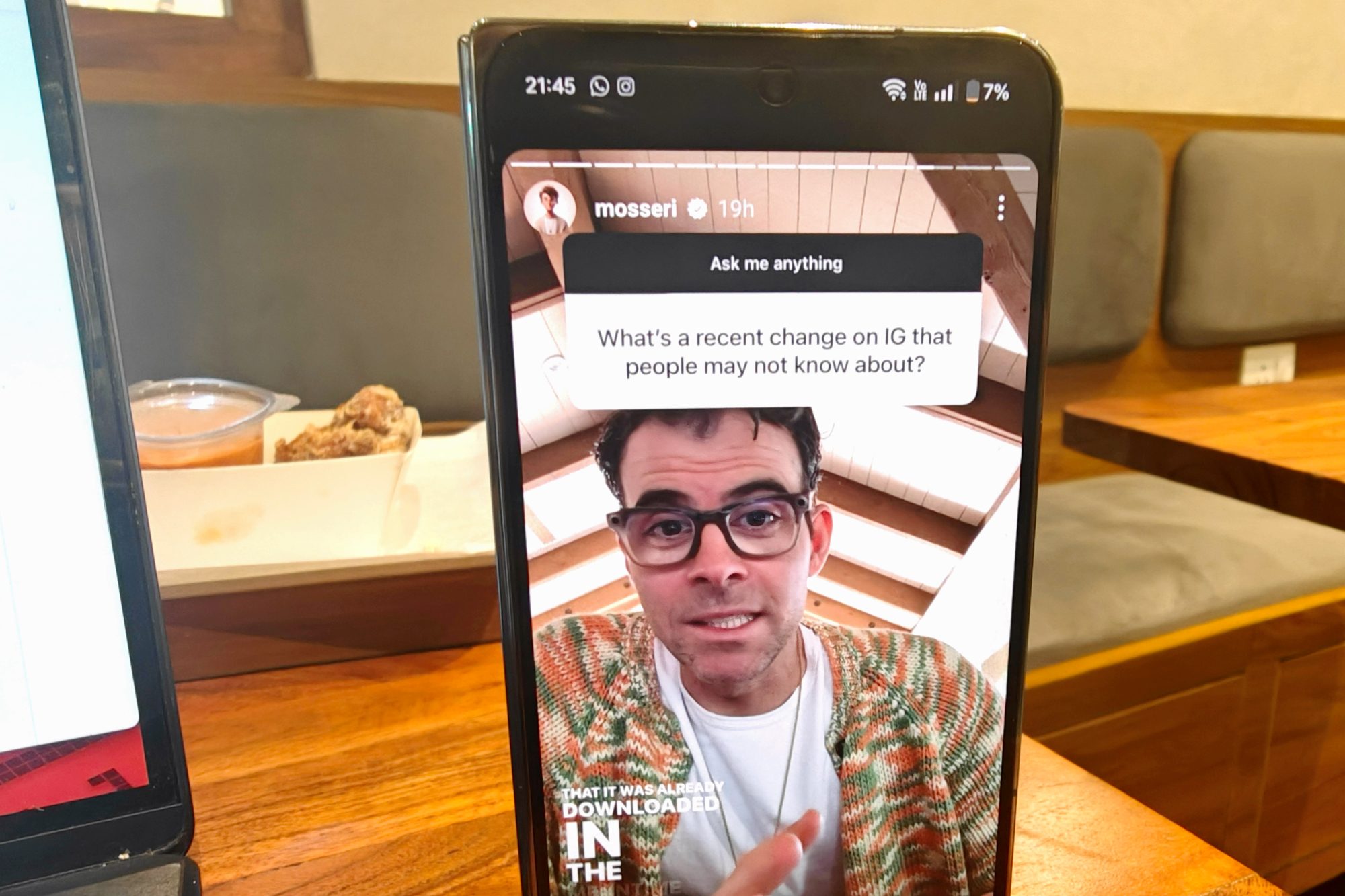
Story update of Instagram CEO Adam Mosseri on a OnePlus phone.
Nadeem Sarwar / Digital Trends

It seems the decision to nix the rug pull system for loading content on app launch actually had a negative impact, but Instagram ultimately moved ahead. “We actually took a little bit of engagement hit for this, but it is a much better experience for the average user,” Mosseri said.

Talking about updates, the Meta-owned social media platform recently launched a campaign to combat the ills of digital sextortion in partnership with the National Center for Missing & Exploited Children (NCMEC). The idea is to educate young users about the signs of abusive intent from bad actors.

On a related note, the company also added more restrictions to accounts owned by users under the age of 16 years. Instagram Teen Accounts, as the company calls them, put guardrails on conversations with strangers and also mandate parental permission to tweak the built-in protections.

Just over a month ago, the company also highlighted tweaks to the way users communicate on Instagram. Among them is the arrival of AI stickers, piggybacking on the advances offered by Meta AI that are now available across the sister social apps.

For ease of access, Instagram users are now able to pin up to three personal or group chats to the top of their DM section. Then there are other thoughtful features like the ability to send silent messages and view-once content, mirroring a strategy that is also available on communication platforms like WhatsApp.

Nadeem Sarwar
Nadeem is the Managing Editor at Digital Trends.
Galaxy Z Flip 8 vs. Motorola Razr Ultra (2026): Samsung’s flip phone is cheaper, but is it better?
One flip phone wins on value. The other wins on hardware.
Electronics, Phone, Mobile Phone

Flip phones have quietly become one of the most competitive corners of the smartphone market. It provides buyers with a satisfying folding snap, reducing the footprint to half the original size, and that’s the entire point. Motorola never really left the format after reviving the Razr name, while Samsung has spent generations treating the Flip line as its scrappy, budget-friendlier sibling to the Fold. 

This year, though, the gap between the two camps has narrowed to the point where picking a winner requires genuinely reading the spec sheet and learning about the phones before putting your money into one. One phone leans hard into raw display firepower, while the other leans into a deeper software ecosystem and a friendlier price tag. 

Read more
Samsung finally switched to silicon-carbon battery on Galaxy Z Fold 8. What’s so special about it?
One of Galaxy Z Fold 8’s biggest upgrade is hiding inside
Galaxy Z Fold 8 Ultra with Fold 8

Samsung has finally joined the silicon-carbon battery race with its latest batch of premium foldables packing the new battery tech. But details for this change were rather hard to spot on the spec sheets. The company has confirmed during media briefings that the Galaxy Z Fold 8 Ultra, Galaxy Z Fold 8, and Galaxy Z Flip 8 all use silicon-carbon batteries.

Even then, the resulting capacities are hardly record-breaking. The Fold 8 Ultra carries a 5,000mAh battery, the regular Fold 8 gets 4,800mAh, and the Flip 8 has 4,300mAh. Rivals from Honor and Motorola have already crossed the 6,000mAh mark. But the figures only tell part of the story.

Read more
I’ve used foldable phones for years. Here’s how to pick the right one between the Galaxy Z Fold 8 and Flip 8
Samsung’s three new foldables solve very different problems
Galaxy foldables with its screen visible

After years of reviewing foldable smartphones, I have learned that choosing one involves much more than what looks pretty or how large you want. Book-style foldables are usually sold as productivity machines, while flip phones cater to people who value portability. Samsung’s latest lineup complicates that choice by introducing two very different book-style models alongside its familiar clamshell.

Most of their shared specifications fade into the background once you start using them. Their shapes and screens have a much greater impact on daily life. So here's how I'd make a decision when choosing between the new Galaxy Z Fold 8 Ultra, Galaxy Z Fold 8, and Galaxy Z Flip 8.

Read more