  1. Home
  2. Computing
  3. News

Windows 11 is finally coming to the Quest 3 and Quest 3S

Add as a preferred source on Google
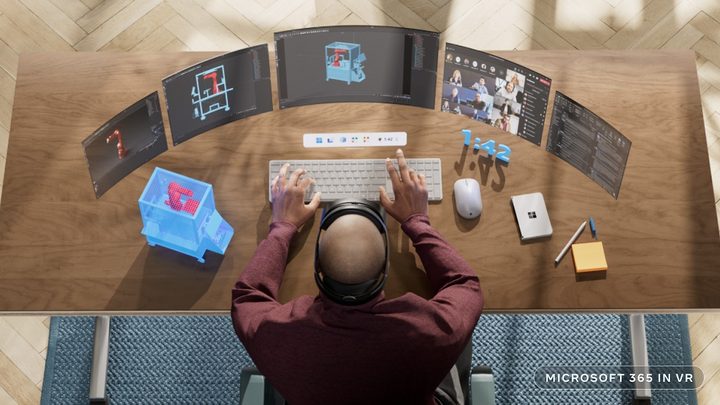
A visualization of Windows being used on a headset.
Microsoft

Microsoft has announced that Windows 11 support is officially coming to the Quest 3 and Quest 3S headsets. The announcement comes as part of Microsoft Ignite 2024, which was otherwise focused on updates to its Copilot AI systems. And though not many details were shared on the mixed reality front, it’s nice to see the support finally arrive.

According to the announcement, the update will bring “the full capabilities of Windows 11 to mixed reality headsets” through either a local Windows PC or a Windows 365 Cloud PC. The point, of course, is not to bring PC games into VR, but rather to do to work in mixed reality. You’ll be able to have multiple virtual monitors all at your disposal to use however you want, regardless of the physical space you’re working in.

Recommended Videos

Microsoft is definitely just catching up here, though. Apple has been pushing its support for using MacBook with the Vision Pro all year. With the two newest Quest headsets, however, there’s never been better hardware to support Microsoft’s efforts in bringing its operating system to mixed reality.

The feature was first hinted at back in 2022 in tandem with the launch of the Meta Quest Pro. Here’s what the blog post said at the time: “In the future, Windows 365 will also be available on Meta Quest devices, with the ability to stream a Windows Cloud PC, including your personalized apps, content, and settings.”

There’s been very little in the means of updates since then. In fact, Windows Mixed Reality headsets were unceremoniously deprecated in December 2023. The Quest Pro has also been discontinued.

But now, Microsoft is finally bringing something to the table. The company says that setup is “seamless” and it “takes only seconds to connect to a private, high-quality, large multiple-monitor workstation.”

There are currently ways to get Windows 11 running on a Quest headset, such as through installing a Meta or third-party remote desktop app. We don’t yet know exactly how Microsoft’s solution will differ, but assume it will be more full-featured implementation.

With more headsets coming next year in the Horizon OS family, it’s a good time for Microsoft to get serious about its support for the platform if it wants to keep up with Apple.

The update will be available in public preview in December.

Luke Larsen
Former Senior Editor, Computing
Luke Larsen is the Senior Editor of Computing, managing all content covering laptops, monitors, PC hardware, Macs, and more.
How Claude helped my 65-year-old dad finally ditch his handwritten ledgers
AI has a lot to answer for, but this one small win is hard to argue with, at least for me.
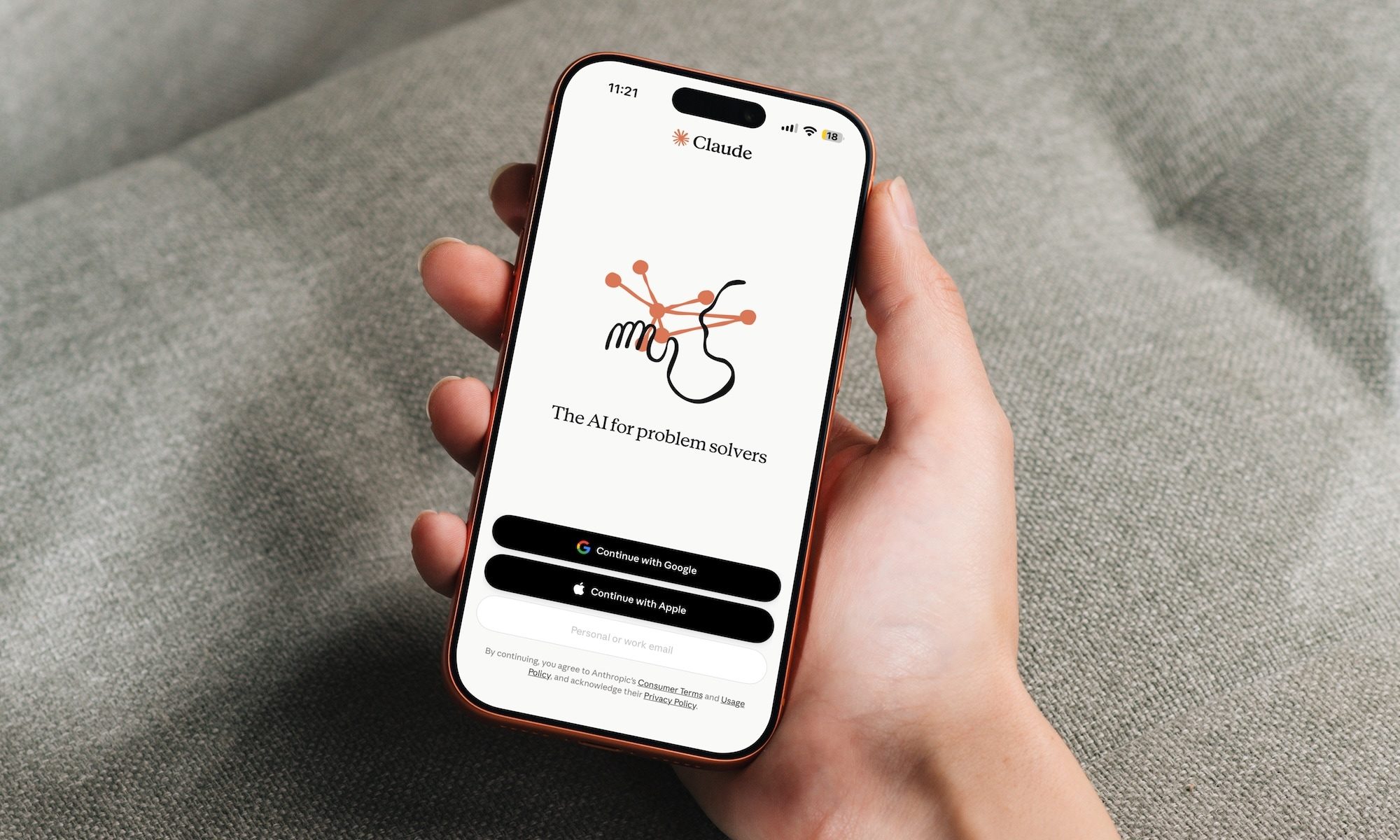
Claude app on iPhone

My dad has owned a small business for as long as I can remember, and for just as long, he's kept his books the old-fashioned way. Every sale gets written down by hand so he can file his taxes later. The problem is that his accountant needs this data in Excel, and my dad, who didn’t grow up around computers, has never learned how to use it.

For years, his workaround was paying someone to manually type his handwritten entries into a spreadsheet. It worked, but it was adding additional cost to his business, which he wanted to avoid, but couldn't.

Read more
AI’s energy tax was already concerning. Research says AI agents are over hundred times worse
AI agents could consume 136 times more energy than today's AI, study finds
AI agents

The AI industry's soaring electricity demand has already become a growing concern for governments, utilities, and technology companies. But a new study suggests the next generation of artificial intelligence could make that problem significantly worse.

Researchers from the Korea Advanced Institute of Science and Technology (KAIST) have published what they describe as the first comprehensive analysis of the energy cost of AI agents - AI systems capable of reasoning, planning, and completing tasks autonomously. Their findings show that these systems can consume up to 136.5 times as much energy per query as conventional generative AI models, raising fresh questions about whether the infrastructure supporting tomorrow's AI is ready for what's coming.

Read more
I hope Apple keeps the MacBook Neo away from the AI hype and preserves its true identity
The cheapest MacBook beats the cheapest AI MacBook.
Computer, Electronics, Laptop

If there's one thing that has disrupted consumer tech economics over the last year while changing how we understand and recommend products, it's the ever-rising cost of memory and chips. 

The desperate need to scale up AI infrastructure has pushed major manufacturers to prioritize enterprise demand, leaving everyday consumers with far fewer choices. Those available cost significantly more than they did a year ago.

Read more