Nvidia’s RTX 50-series GPUs are here, and with them come some absolutely insane price tags. Fancy a top-of-the-range RTX 5090? That’ll be $2,000, please. And we’re not even talking about third-party takes on these cards, some of which have prices rising above $3,000.
And just like clockwork, the scalpers have stepped in to snap up every last card and resell them on eBay for even more outrageous prices, because what’s a GPU launch without a healthy dose of pain and scarcity? Yet this time, the scammers have a new trick up their sleeves, and you need to make sure you don’t fall for it.
During the Covid pandemic, GPUs were hard to find as the global supply chain shut down. Scalpers and scammers openly and proudly listed their ill-gotten goods for sky-high prices without even bothering to excuse their behavior. As you’d expect, people weren’t happy.
This time, the scalpers have a new tactic, and it seems designed to generate understanding among casual observers, perhaps even sympathy. Indeed, browse eBay today and you’ll likely find a plethora of listings with some variation on the following title: “Nvidia GeForce RTX 5090 32GB (read the description).”
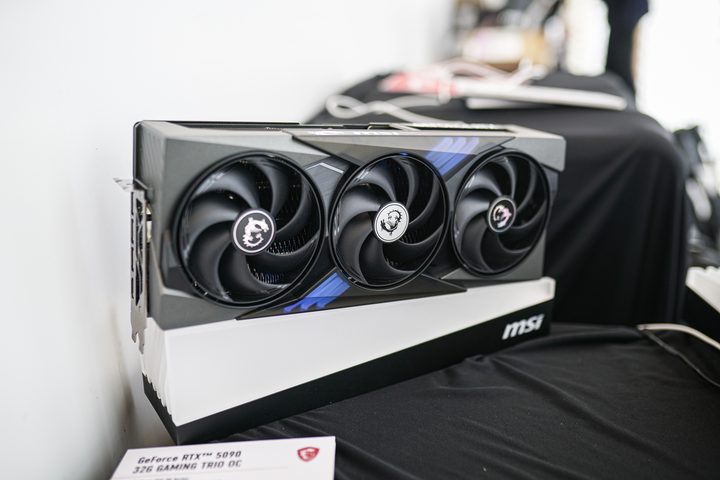
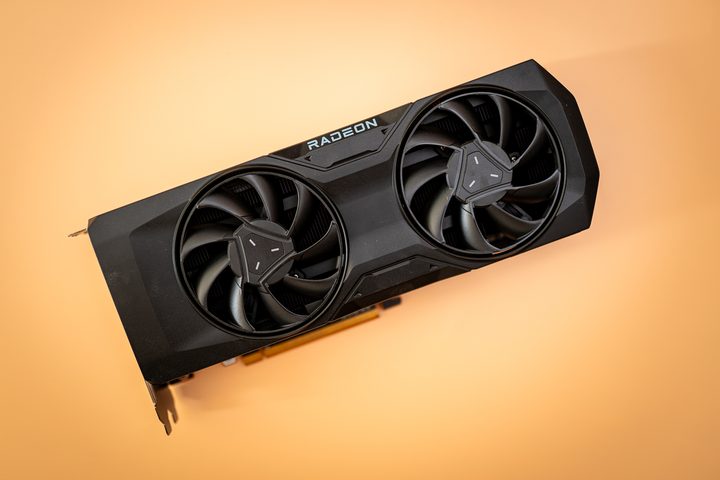
And why must you read the description? Because there, the seller helpfully explains that they’re not actually selling a graphics card. No, they’re selling a photo of the card. Why, you ask? Well, it’s an anti-bot measure, of course! How very thoughtful.
In cases like this, the seller is trying to frame their obvious scamming as actually being pro-consumer activism. They’re selling a photo with a misleading listing title, they explain, to trick scalping bots into wasting their money on a non-existent product. “Don’t shut us down, eBay,” they say. “We’re the good guys!”
Except, obviously, they’re not. This is not consumer activism, it’s simple scamming. The hope is that buyers desperate for a sold-out card will just read the “RTX 5090” part, see that the seller has positive feedback, and hit the Buy button. Easy cash for the scammer and a world of pain for the buyer.
And it works. At the time of writing, I found two sold listings over the past day for an RTX 5090 photo, and that’s just among the listings that are still active. If you scroll the sold items on eBay, you’ll find dozens of sold listings for photos of an RTX 5090, all hovering around the list price of $2,000. eBay might get the buyers their money back, and the sellers may be punished, but does that change the reality that this is a scam? I reckon not.
How to avoid being scammed
The first and most obvious warning sign of these listings is right there in the title. If any listing headline contains the words “read the description,” it suggests that something is not quite as it should be, and that you can’t take the product description at its word. Use that as your first clue.
The second is that these listings and their titles often contain unusual or non-standard fonts. This seems to be an attempt to evade eBay’s automated scam filters and detection systems, and it’s something you’ll regularly find among the garbage in your email spam folder. If a seller has taken the time to add strange and unusual fonts, something shady could well be going on.
As well as that, each of these fake graphics card sellers has spent time carefully building their reputation on eBay to reassure bidders that they’re legit. The lazy ones will just buy a few cheap items and hope no one notices they have zero feedback as a seller. The more sophisticated GPU scammers will take more time, such as the one that sold trading cards so their feedback was full of buyers commending them on their “great cards.”
A few years ago, I fell victim to a GPU scam on eBay. I wanted to buy an Nvidia GTX 980 Ti (I’m showing my age here) and found one listed close to MSRP. The seller had 100% positive feedback, (admittedly from a relatively low number of reviews — another red flag), so I felt comfortable dealing with them. In the end, I paid for a GPU that never arrived, and it took me months of wrangling with eBay to finally get my money back. It was so difficult that I almost gave up.
You see all of these hallmarks in today’s fake “anti-bot” listings. If you come across any of these warning signs, be extremely cautious. When this much money is on the line, it’s safer to report the scam listing and move on.
And if nothing else, the emergence of these scams shows how much more work companies like Nvidia and eBay have to do to prevent innocent people from getting scammed. If regular buyers are unable to purchase a product before it sells out to scalpers, and if it’s child’s play to get scam listings hosted on eBay, something has gone very wrong.