1. Home
  2. Computing
  3. News

Digital Trends may earn a commission when you buy through links on our site. Why trust us?

RTX 50 series no longer supports one of Nvidia’s oldest GPU technologies

Add as a preferred source on Google
Nvidia RTX 5080 render
Nvidia

Nvidia has wrapped up support for the 32-bit PhysX graphics technology. The brand has quietly removed the legacy SDK out of rotation, much to the chagrin of fans who still play the games that require the functionality.

Nvidia confirmed the end-of-life status of the GPU-accelerated physics simulation SDK, which was known for cloth simulation, shattering glass, moving liquids, and several other particle effects. PhysX is endearingly associated with AAA gaming titles including the Batman Arkham trilogy, Borderlands: The Pre-Sequel, Borderlands 2, Metro: Last Light, Metro: Exodus, Metro 2033, Mirror’s Edge, The Witcher 3, and certain older Assassin’s Creed titles.

Recommended Videos

Despite being popular during the 2000s and early 2010, PhysX began to go out of favor as Nvidia upgraded other aspects of its graphics components. Its RTX 50 series became Nvidia’s new standard GPU technology. Meanwhile, PhysX floundered because it was not compatible with other GPUs, consoles, and smartphones, Tom’s Hardware noted.

The Verge also noted Redditors discussing their disappointment at the end of support for PhysX. One member detailed forcing PhysX to run the game Borderlands 2 with terrible results. “Got drops to below 60 FPS by just standing and shooting a shock gun at a wall,” they said.

The commentator claims to have played on a high-end system featuring an RTX 5090 and an AMD Ryzen 7 9800X3D. In comparison, they said they tested the same game with an RTX 4090 GPU and maintained 120fps.

While it’s not for everyone, playing legacy games is a common hobby. Tom’s Hardware notes enthusiasts can keep PhysX support going on a PC running a RTX 50 series GPU and beyond by pairing it with an RTX 40 series or older graphics card, then tapping the latter component to work in the Nvidia control panel when necessary.

Fionna Agomuoh
Fionna Agomuoh is a Computing Writer at Digital Trends. She covers a range of topics in the computing space, including…
Valve just gave away the blueprint for its coolest Steam Machine mod
Valve giving away the recipe instead of the dish, and honestly, we're okay with it.
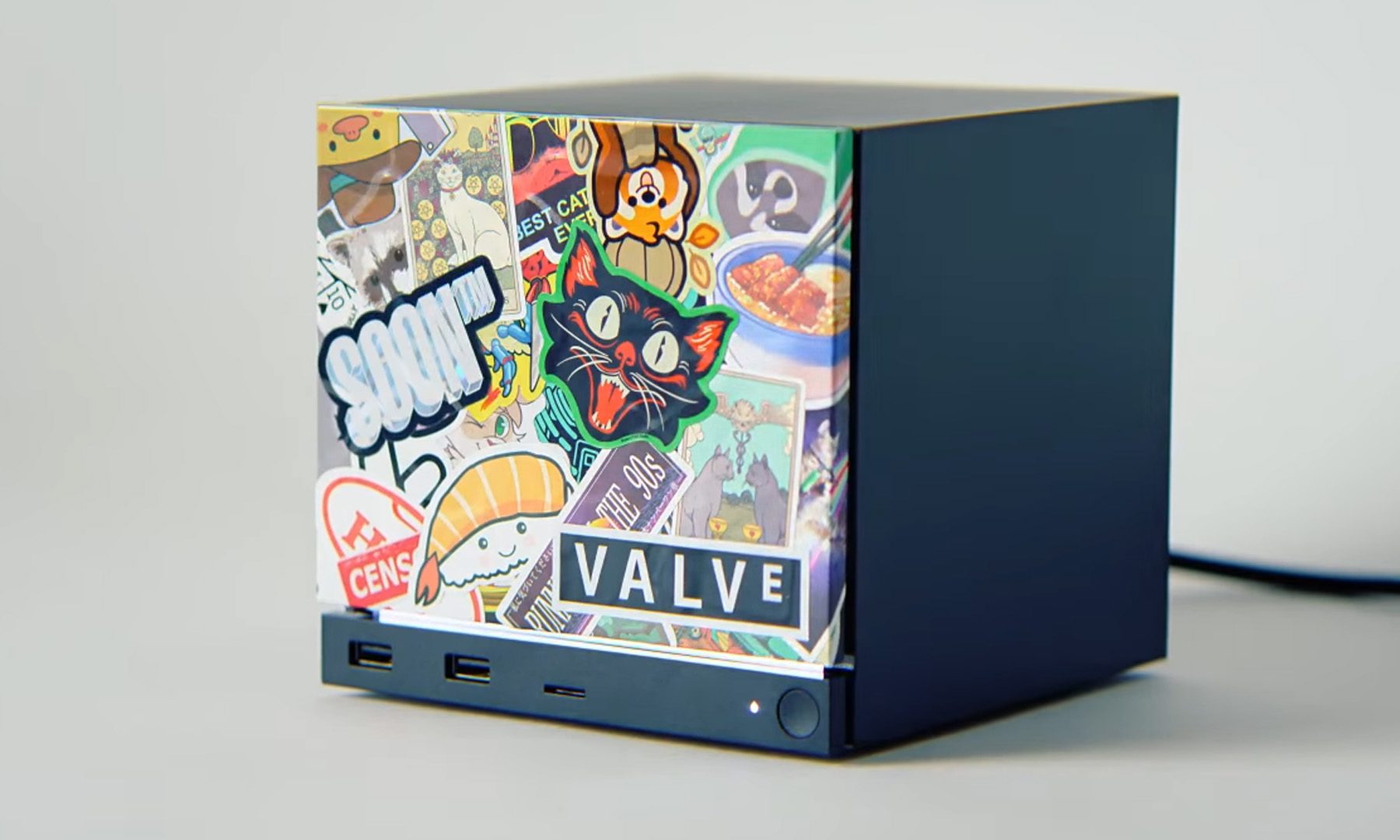
Valve Steam Machine Featured Design Coverplate

While Valve’s Steam Machine launched at a higher-than-expected price due to the AI-driven chip shortage, it seems that the company is not sitting on its haunches and is still working hard to make the product more enticing to users. 

One of the coolest features of the Steam Machine is the user-customizable front faceplate, and Valve has just made it better. The company open-sourced its "Inkterface" project, which allows users to build their own e-ink faceplate for the Steam Machine.

Read more
Brave’s new Container feature is a lifesaver for anyone juggling multiple accounts
With this feature, you won't need to open three different browsers
Brave browser 3D logo

Brave has added Containers to its desktop browser, giving users a built-in way to keep different accounts, sessions, and browsing activity separate. The feature is available in Brave 1.92 for Windows, macOS, and Linux, and is rolling out in phases over the next few days.

Containers have been a highly requested feature, especially for users who regularly switch between work, personal, developer, or creator accounts. Once enabled, they let users open tabs in separate spaces where cookies and site storage are not shared outside that container.

Read more
Intel may bring back older desktop CPUs because DDR5 is getting too expensive
Older Intel Core CPUs from 10th to 14th Gen may get a second life
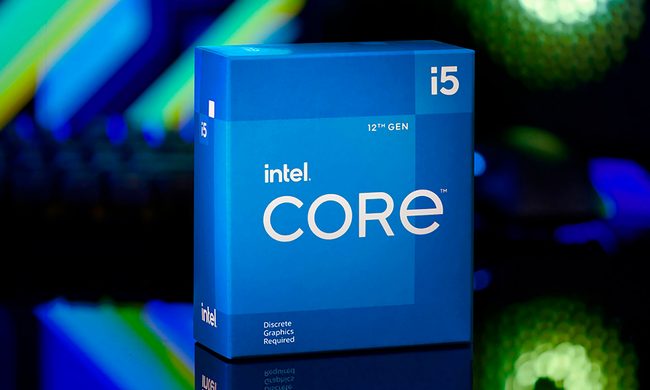
Intel Core i5-12400F box sitting in front of a gaming PC.

Intel may be preparing an unusual response to the ongoing memory crunch. According to Chinese outlet ITHome, citing ChannelGate, the company’s latest production plan includes restarting production of 13th-gen and 14th-gen Core processors.

The move is expected to increase supply across Intel’s 10th, 12th, 13th, and 14th Gen CPU families, especially in mainland China. For DIY PC builders, the timing is important. DDR5 memory prices have climbed sharply, making newer platforms harder to justify for anyone trying to build an affordable gaming PC.

Read more