1. Home
  2. Phones
  3. Mobile
  4. News

You don’t need a Pixel to experience Google Gemini’s live camera mode

Add as a preferred source on Google
Gemini Live App on the Galaxy S25 Ultra broadcast to a TV showing the Gemini app with the camera feature open
Nirave Gondhia / Digital Trends

Earlier this year, Google announced a long-awaited Gemini AI feature, previously known as Project Astra. Recently, it has been confirmed that Gemini Live’s camera and screen-sharing features will not be exclusive to Pixel devices.

As uncovered by 9to5Google, a Google support article states that camera and screen sharing in Gemini Live will be available on “any Android device with Gemini Advanced.” This means that the tools will be compatible with any device running Android 10 or later. Initially, this feature was believed to be only available on Pixel devices and possibly the Samsung Galaxy S25 series.

Recommended Videos

The new features are now being rolled out, and a “Share Screen with Live” button is included above the existing “Ask about screen” suggestion in the Gemini overlay. This allows users to share their entire screen. Additionally, the update introduces real-time camera capabilities, which can be accessed by opening the Gemini as a whole Live interface and starting a video stream.

With the live camera feature, users can point their phones at objects and ask Gemini questions about what they see, such as identifying landmarks, getting decor advice, solving written problems, or analyzing text in books. The screen-sharing capability enables Gemini to examine and discuss whatever is displayed, maintaining context throughout the conversation.

To access these new capabilities, you need a Gemini Advanced subscription, which is part of the Google One AI Premium plan and costs $19.99/month. (A free one-year subscription to Gemini Advanced comes with new Pixels.)

It’s anyone’s guess when these new features will roll out to your phone. However, they should begin arriving sooner rather than later, so stay tuned. It the time of this writing, my Pixel 9 Pro XL has yet to receive the update.

These features significantly advance Google’s AI assistant capabilities, bringing Gemini closer to providing real-time, context-aware assistance through visual information.

Bryan M. Wolfe
Former Mobile and A/V Freelancer
Bryan M. Wolfe has over a decade of experience as a technology writer. He writes about mobile.
Geekbench now lets you check how a phone will actually handle your boring daily chores
New tests, smarter scores, and finally some love for NVIDIA GPUs.
Geekbench 7 open on iPhone

Geekbench, the popular cross-platform benchmark from Primate Labs, just got a major update. Geekbench 7 is out today, and you can download it on Android, iOS, Windows, macOS, and Linux. If you like to know exactly how your CPU and GPU stack up, this update brings a bunch of changes worth knowing about.

What's new in the CPU tests?

Read more
Latest Pixel 11 series leak offers the clearest look yet at Google’s next flagship
Google's next Pixel has leaked again, but this time almost nothing is left to imagine
Pixel 11

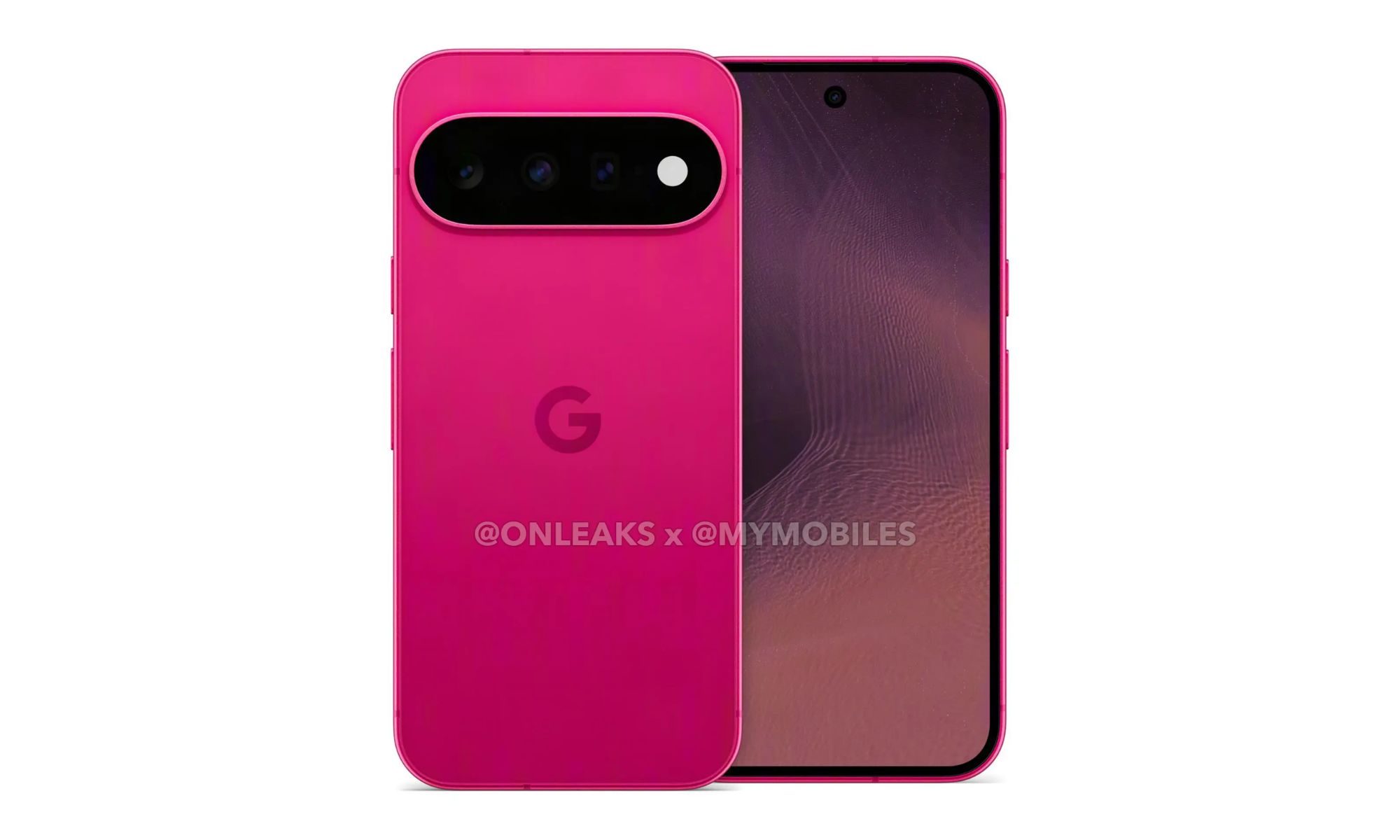
Google's Pixel launches have become increasingly difficult to keep under wraps, and the Pixel 11 series appears to be no exception. Weeks before Google's scheduled August 12 launch event, a fresh leak has revealed what is claimed to be the complete set of official press renders for the Pixel 11, Pixel 11 Pro and Pixel 11 Pro XL, showcasing every colour option across the lineup.

The renders, published by MyMobiles in collaboration with tipster OnLeaks, offer what is arguably the most comprehensive look yet at Google's next flagship family. If authentic, they not only confirm earlier design leaks but also reveal Google's colour strategy for 2026, including a vibrant Fuchsia finish for the standard model and a new copper-inspired "Dune" variant for the Pro series.

Read more
Galaxy Z Flip 8 vs. Motorola Razr Ultra (2026): Samsung’s flip phone is cheaper, but is it better?
One flip phone wins on value. The other wins on hardware.
Electronics, Phone, Mobile Phone

Flip phones have quietly become one of the most competitive corners of the smartphone market. It provides buyers with a satisfying folding snap, reducing the footprint to half the original size, and that’s the entire point. Motorola never really left the format after reviving the Razr name, while Samsung has spent generations treating the Flip line as its scrappy, budget-friendlier sibling to the Fold. 

This year, though, the gap between the two camps has narrowed to the point where picking a winner requires genuinely reading the spec sheet and learning about the phones before putting your money into one. One phone leans hard into raw display firepower, while the other leans into a deeper software ecosystem and a friendlier price tag. 

Read more