For almost a decade, we’ve lived in an incredible era of smartphones. Phones do considerably more than they did eight years ago when the original iPhone launched, and nowhere is this more apparent than in smartphone cameras.
From single cameras — and occasionally double — in the pre-smartphone era, we’ve now descended into an era where three and four cameras are commonplace on smartphones. Instead of being focused on a subject immediately in front of you, the best smartphone cameras now allow you to zoom in or out, take incredible portrait photos, and record high-quality professional video.
The age-old adage that the best camera is the one you have with you at that moment may not have always applied in the past, but the current crop of best smartphone cameras has led to the greatest era of smartphone photography.
However, have you ever wondered how we got here? How is your smartphone camera tested, and what’s led to the incredible photos that you can take with your phone? I flew to China to find out, and here’s what I discovered!
Meet the Oppo Imaging Lab in Binhai Bay

As part of my recent trip to China for the Oppo Find X8 Ultra launch, Oppo flew us from Xi’an to Shenzhen on the final day, allowing us to visit the company’s new Binhai Bay campus. It’s a vast building that isn’t even complete yet, but the company has already begun moving certain parts of the company into the building.
Located just under an hour from the Bao’an district near Shenzhen airport, one of these parts is the Oppo Imaging Lab, where the company is heavily focused on testing the next generation of its smartphone cameras.
Over the past two years, Oppo and its sister company, OnePlus, have put out some of the best all-around smartphone cameras. The Oppo Find X8 Pro, released last October, can take excellent photos even at 60x zoom, while the OnePlus 13 brought many of the same capabilities to the US market.
Most recently, the Find X8 Ultra has proven it can capture fantastic photos at every focal length, with a particular strength in taking HDR and portrait photos. The latter is outstanding, with the phone capable of taking pictures with fantastic bokeh at every focal length, and the fastest autofocus I’ve used on a phone.

Our visit to Oppo’s new headquarters campus provided a behind-the-scenes look at four tests the company uses to develop and test its smartphone camera. As it was a very short visit, we focused on how it performed for photos captured with the rear cameras. However, the company did mention that it uses similar testing methods for video, Zoom, and even the front-facing camera.
Industry standard testing and carrier-standard testing
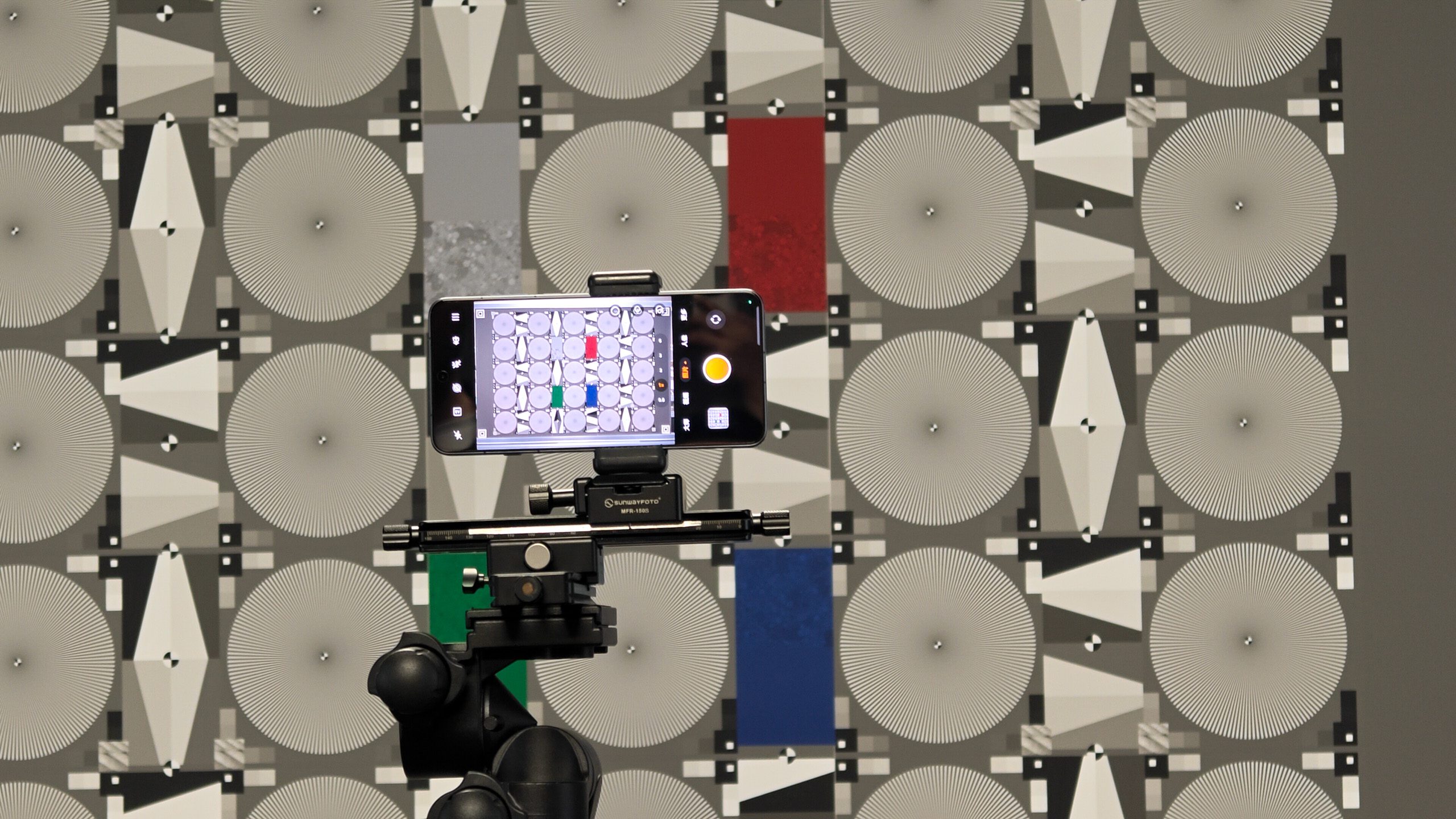
The first test utilizes industry-standard testing charts and a light box to evaluate the camera’s performance under various lighting conditions. Crucially, using a set of standardized testing charts that can be cycled through electronically, meaning it’s much easier to compare results against the competition.
I’ve previously used similar testing charts to test cameras objectively, and they are particularly effective in providing a quantifiable metric that allows for direct comparison of the results. However, they don’t cater to variations in features such as skin tone or more advanced features within a camera.
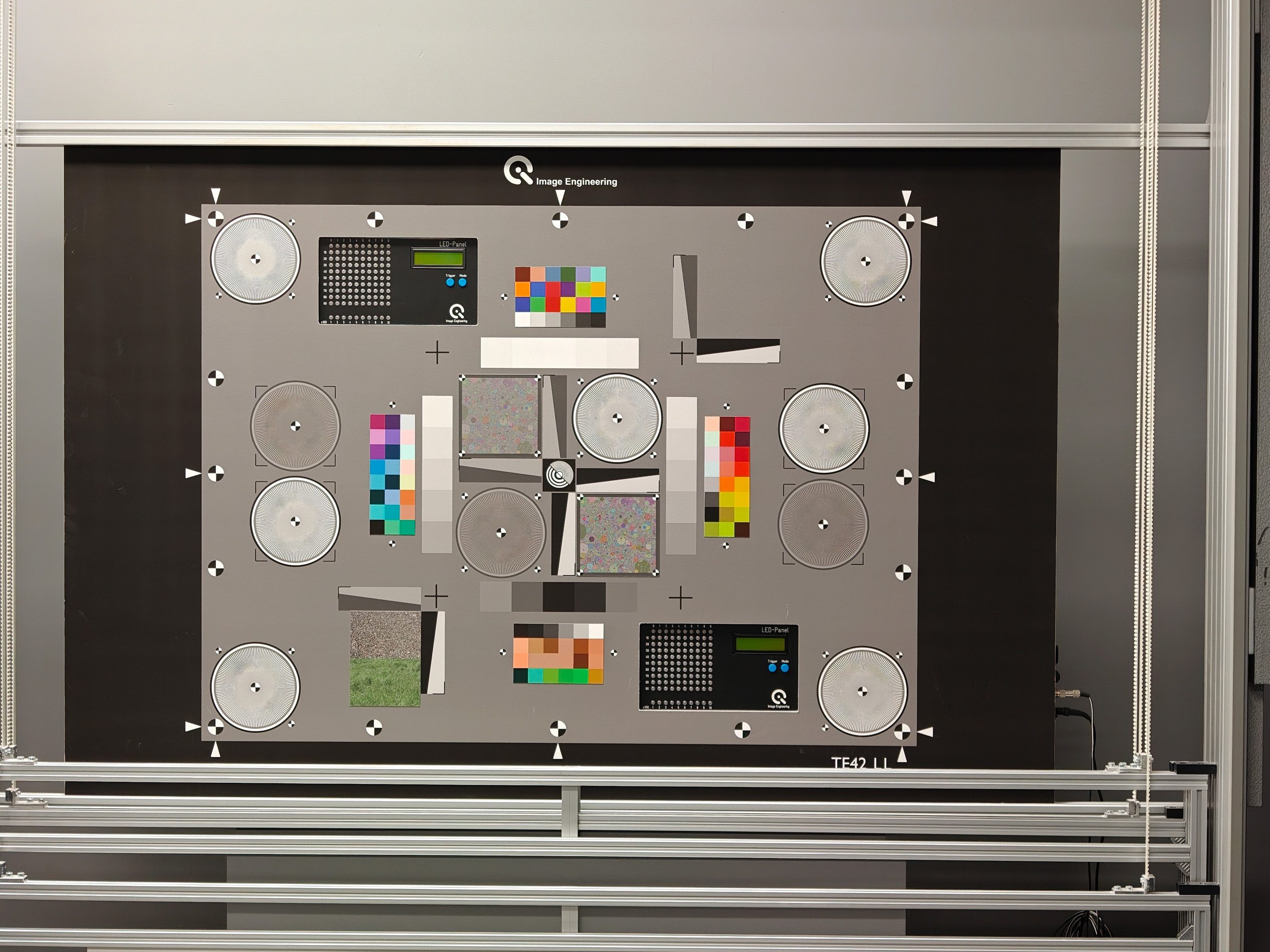
Of course, while companies test against industry-standard tests, they must also ensure that smartphone cameras comply with carrier testing standards.
Many carriers globally have stringent testing standards that often surpass the requirements highlighted in objective testing, such as these metrics. For this, Oppo uses a series of charts and tests devised by T-Mobile. These tests are very similar to industry-standard tests, but they have subtle differences in the metrics used to determine whether a test is passed or failed.
Testing HDR performance at different lights and lengths
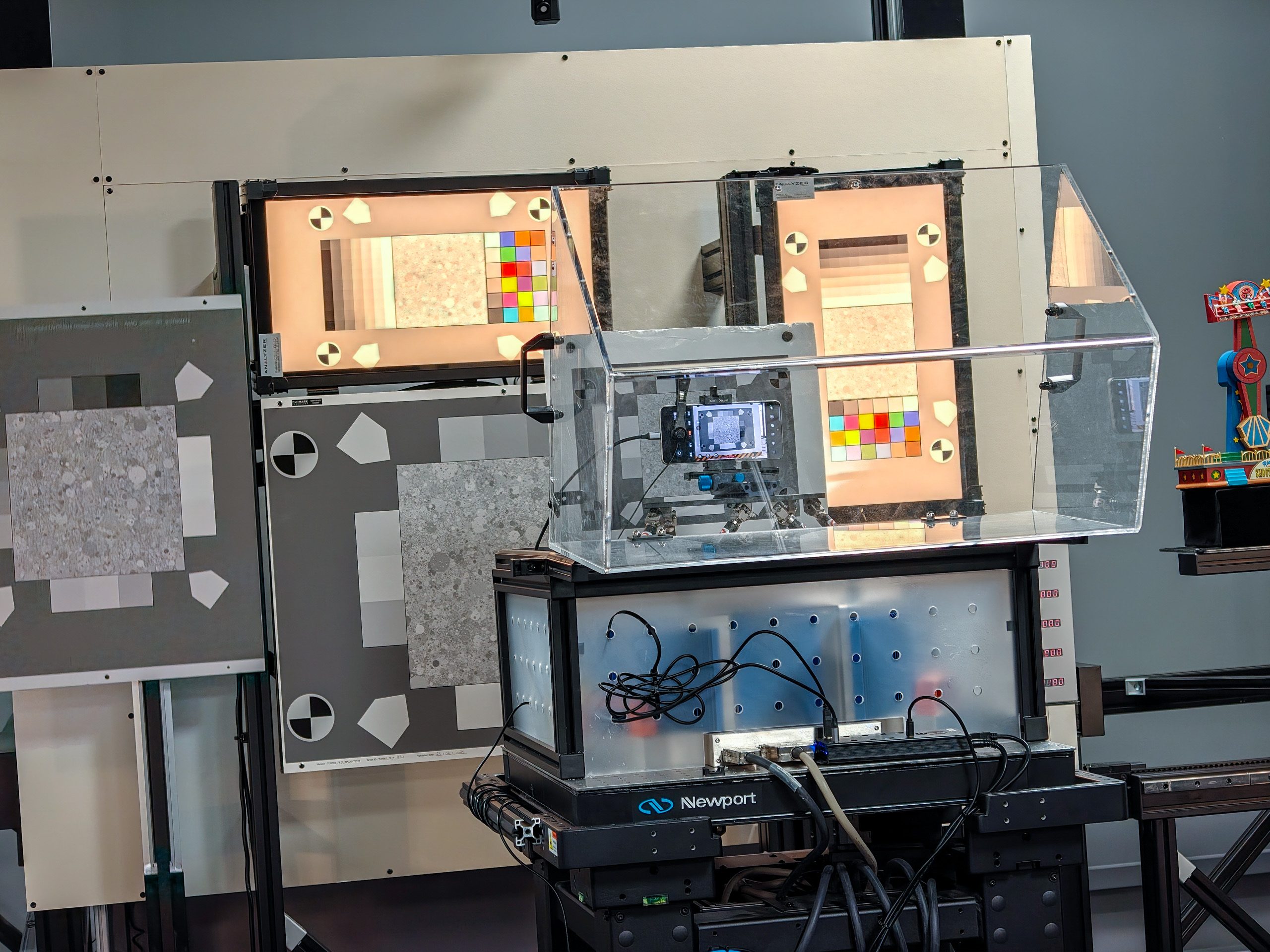
It’s only in the past few years that we’ve come to expect excellent high dynamic range (HDR) performance from smartphone cameras. Smartphone cameras can now replicate — and often surpass — the high dynamic range (HDR) effects that some cameras achieve. With standards such as HDR10, HDR10+, HDR Vivid, and Ultra HDR to conform to, a significant amount of testing is required to meet these standards.
Oppo’s answer is a series of tests that run automatically and take seven hours per lens. That means for the Find X8 Ultra, it took 28 hours of testing to test HDR performance on the rear camera, which is no mean feat. However, as I later discovered, the actual number of testing hours is considerably higher.
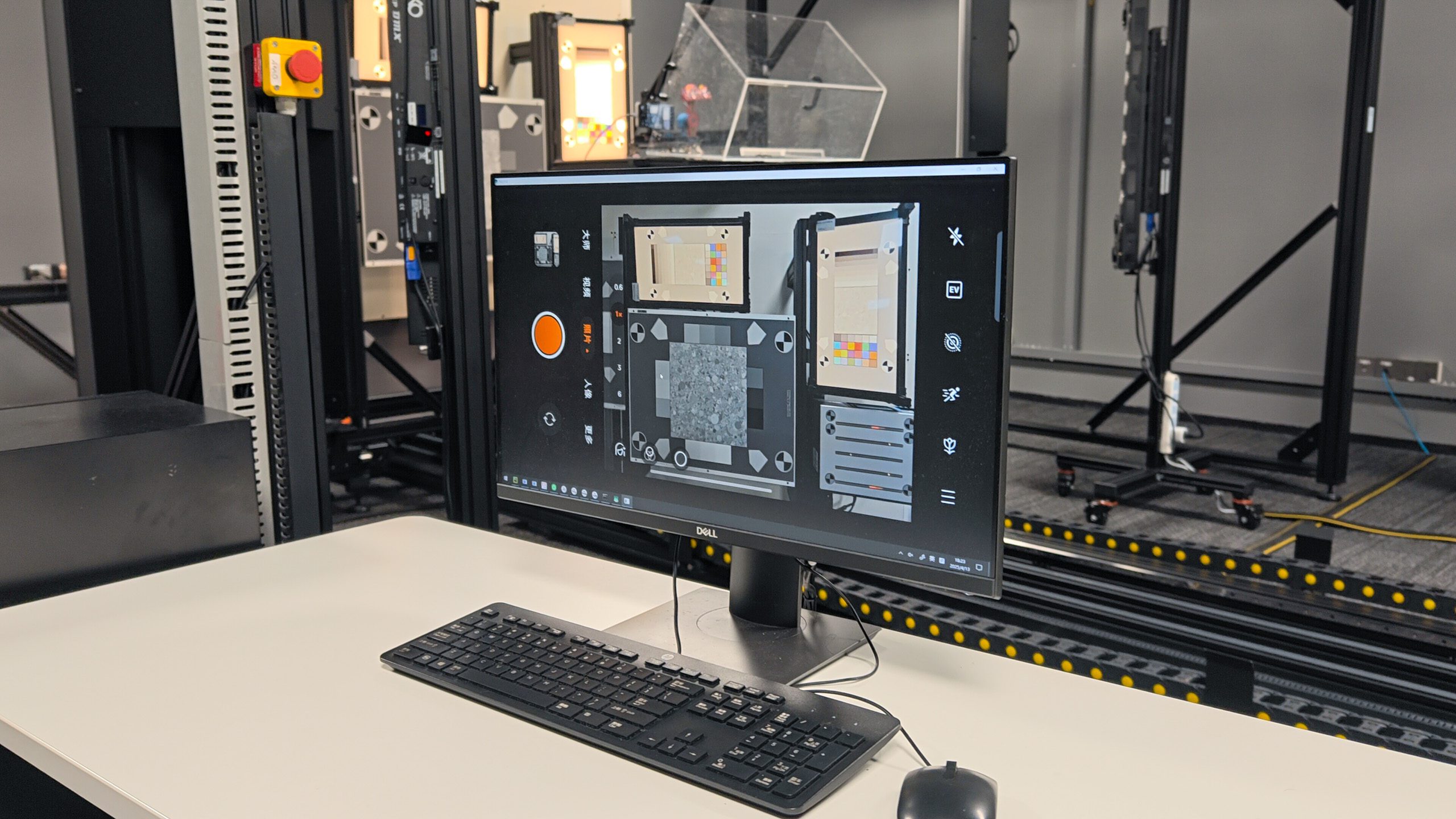
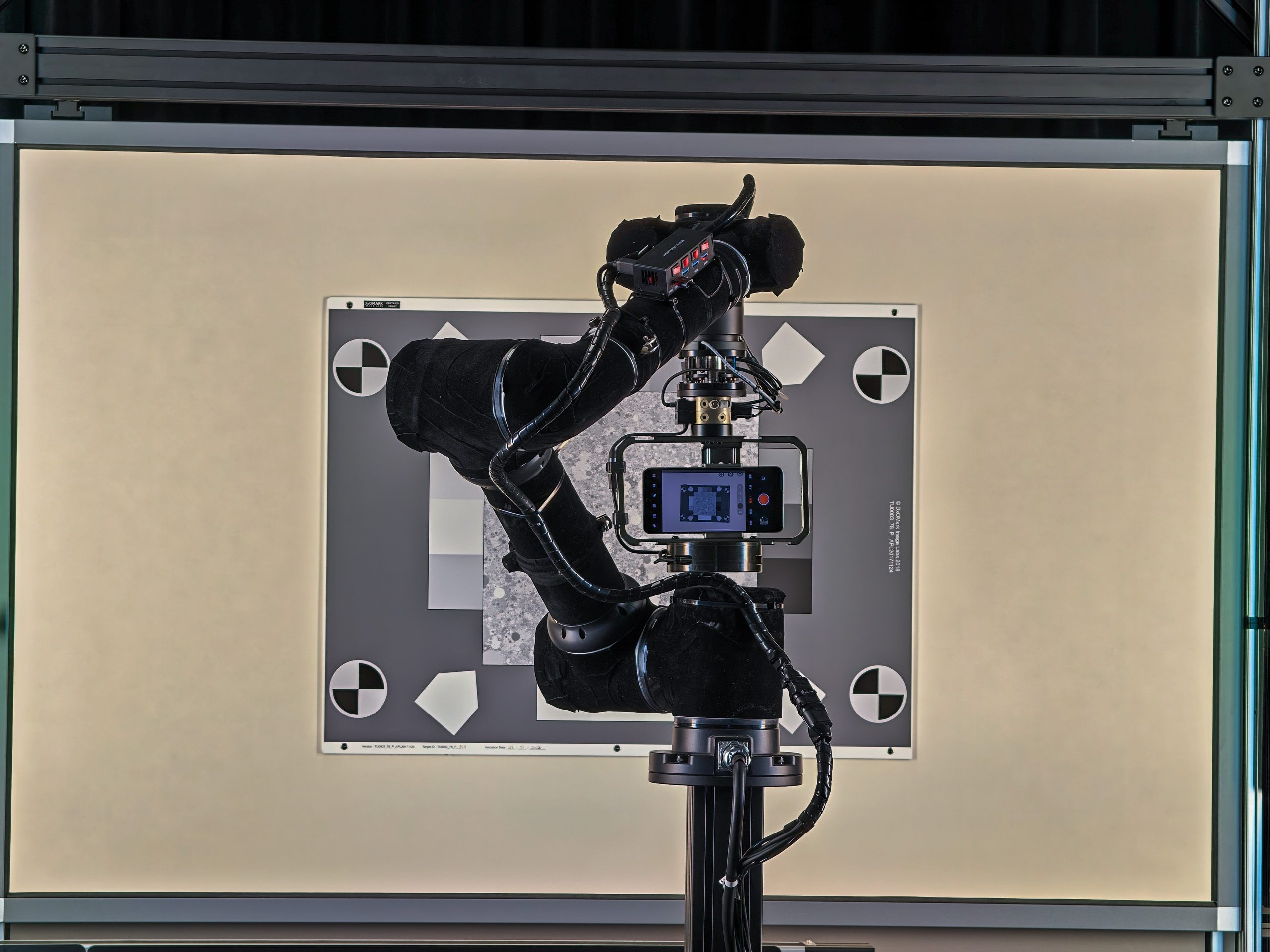
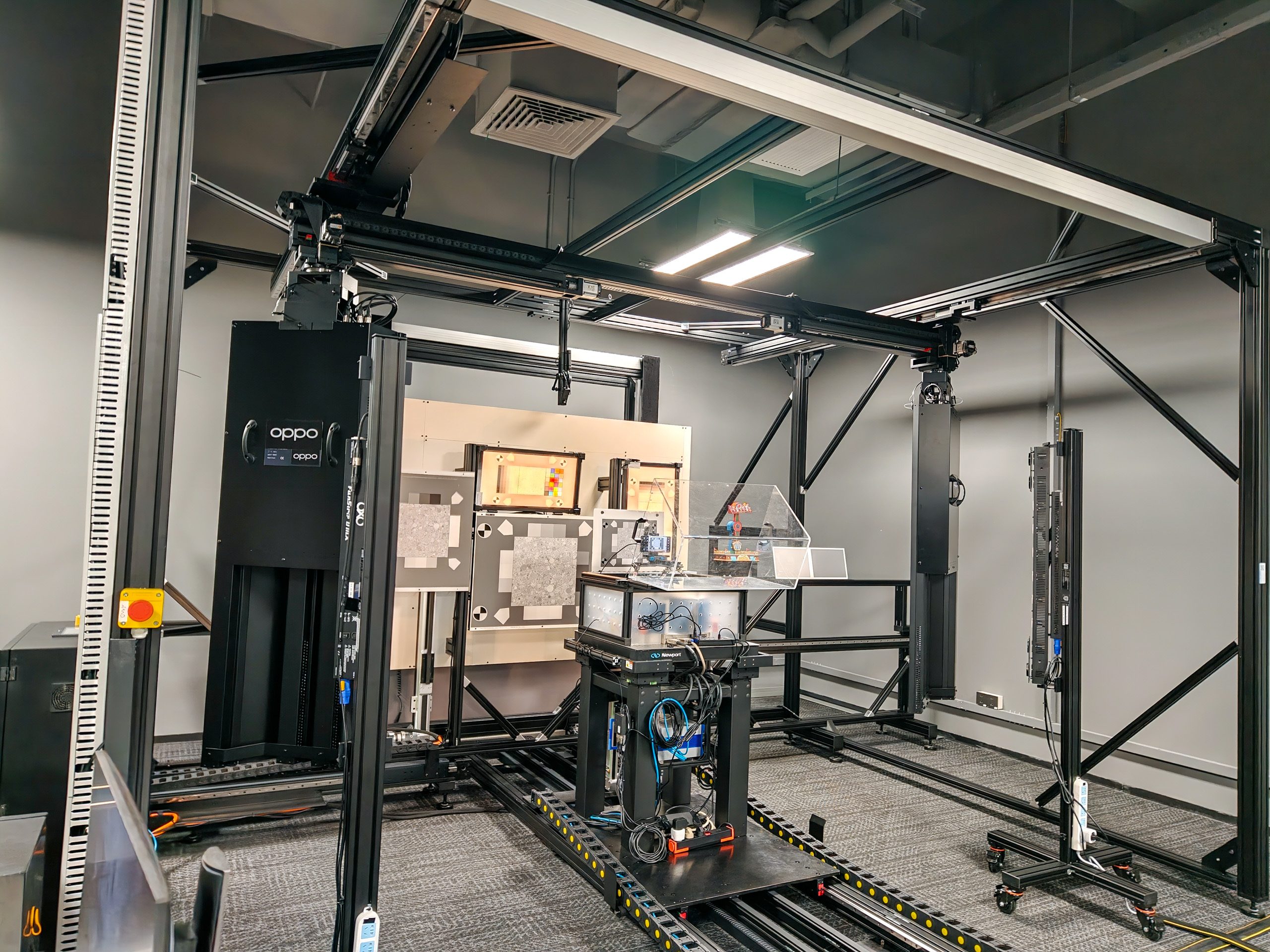
The HDR testing lab features automated tracks with a smartphone gimbal rig that can move back and forth to different focal lengths as part of the test suite. There’s a variety of other charts captured, many of which feature subtly different shades of gray, white, and black. There are also some colored charts.
Under the supervision of a human operator, this test ensures that your phone can accurately meet the different HDR standards. It also ensures that it can accurately reflect different shades of gray, white, and black, which was previously a significant challenge for smartphone cameras.
Testing for great portraits and skin tones
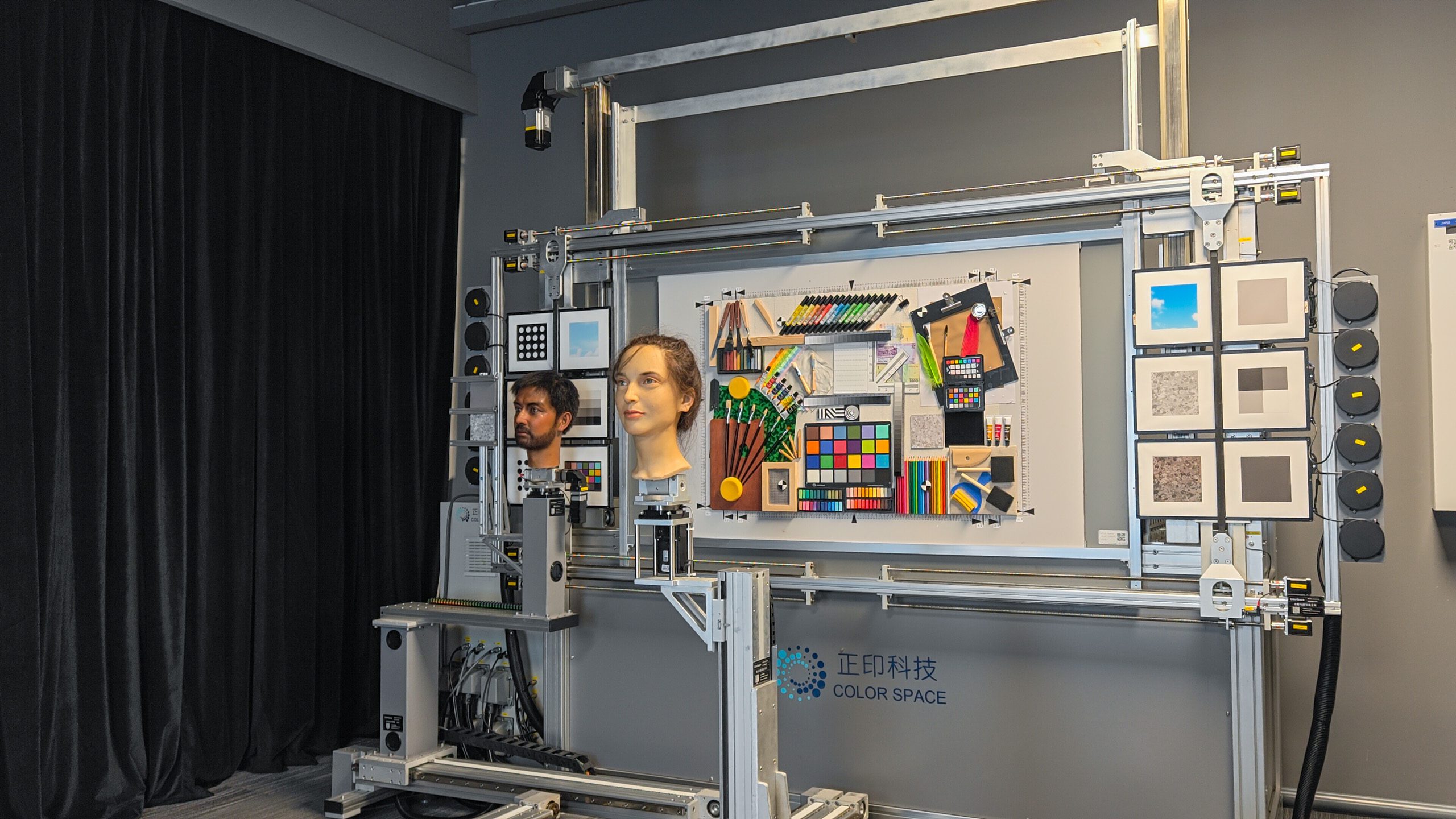
One of the largest challenges for any smartphone camera is how to handle a variety of skin tones, especially when one or more of these is present in the same photo.
The Find X8 Ultra features a true chroma sensor that can detect up to 40 different color temperatures in a single scene. However, Oppo also conducts extensive testing in its lab to ensure that the regular camera lenses can accurately identify different skin tones and shades.
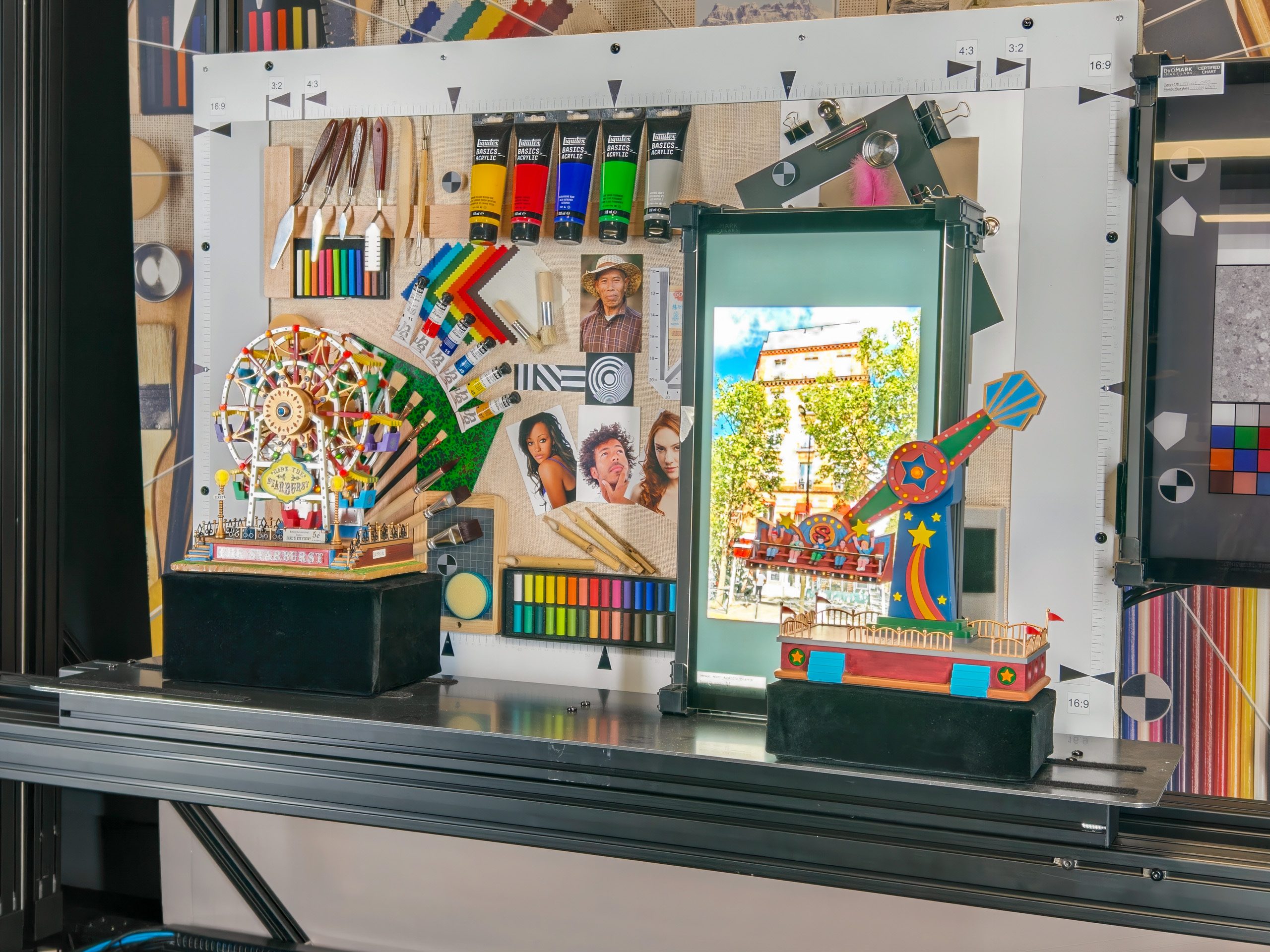
It achieves this in two testing labs that simulate capturing portrait modes of different people with various skin tones in various environments. Featuring another set of tracks, the test lab features multiple portrait heads and a series of simulated environments for testing.
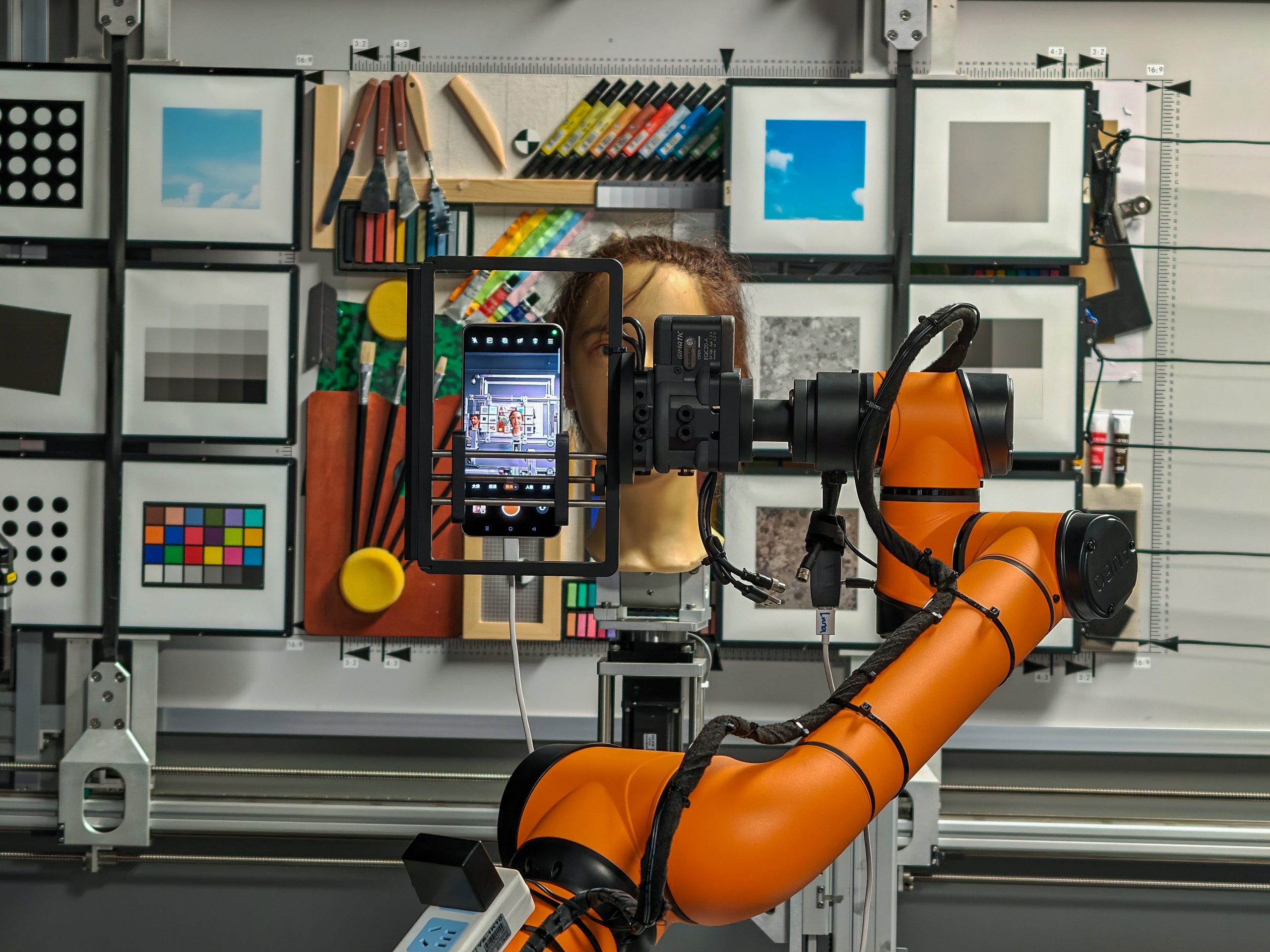
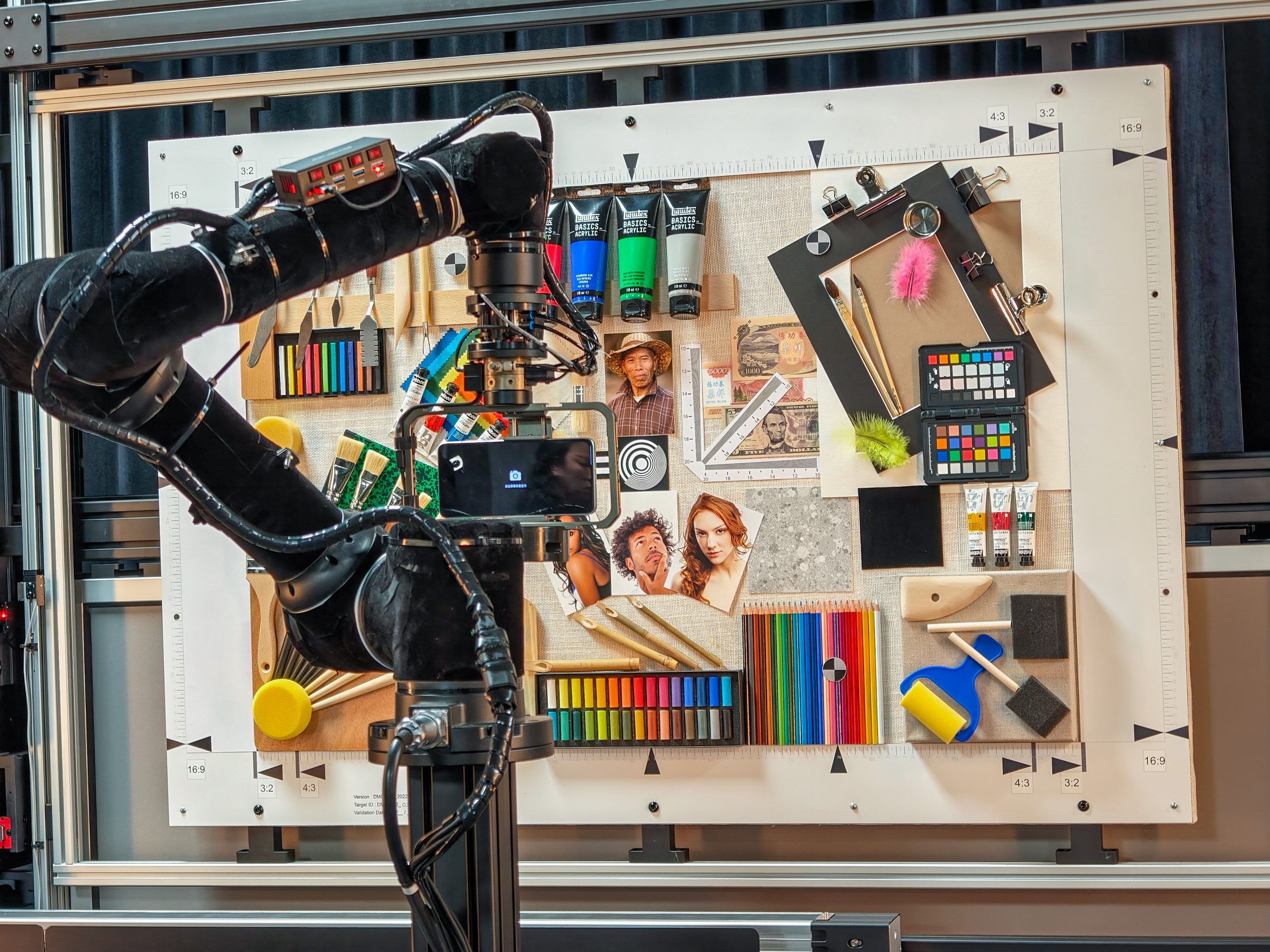
The testing cycle changes both the heads and their positions relative to the smartphone camera, as well as the surrounding environment, and the colors, white balance, and tones. The goal is to replicate as many different and challenging scenarios as possible, and see how the smartphone camera ultimately reacts to these.
There’s much more to it, but it’s certainly working
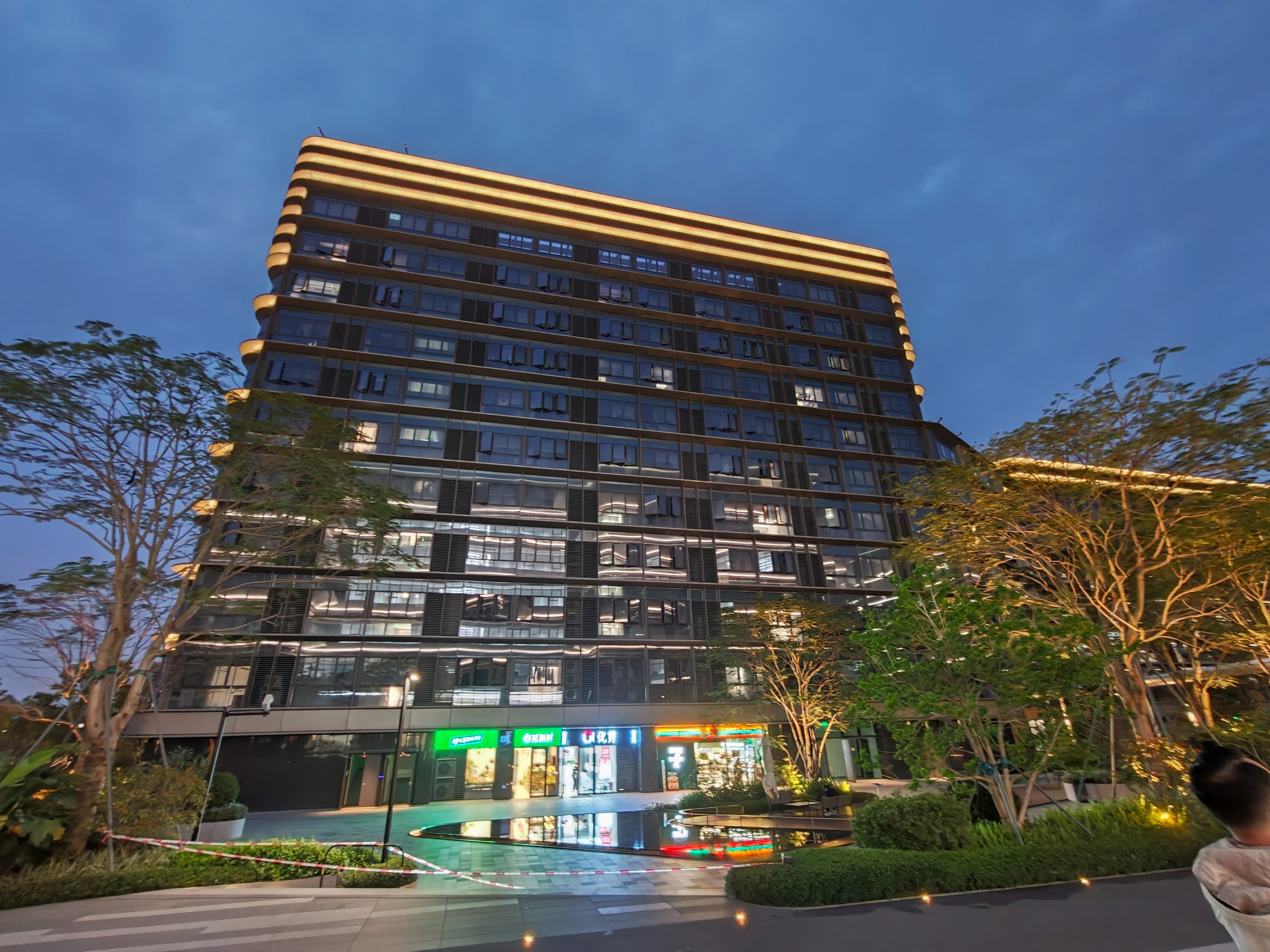
It was fascinating to see this first-hand, because if one thing is clear, it’s that Oppo’s recent smartphone cameras prove its approach to testing is working. In a separate Q&A, the company also revealed that this is just a small part of what goes into building and testing its smartphone cameras.
First, the testing results will inevitably lead to subtle tweaks to the processing algorithm. This then needs further testing, so the 28 hours of HDR testing could quickly double or more in total testing hours, just for that feature.
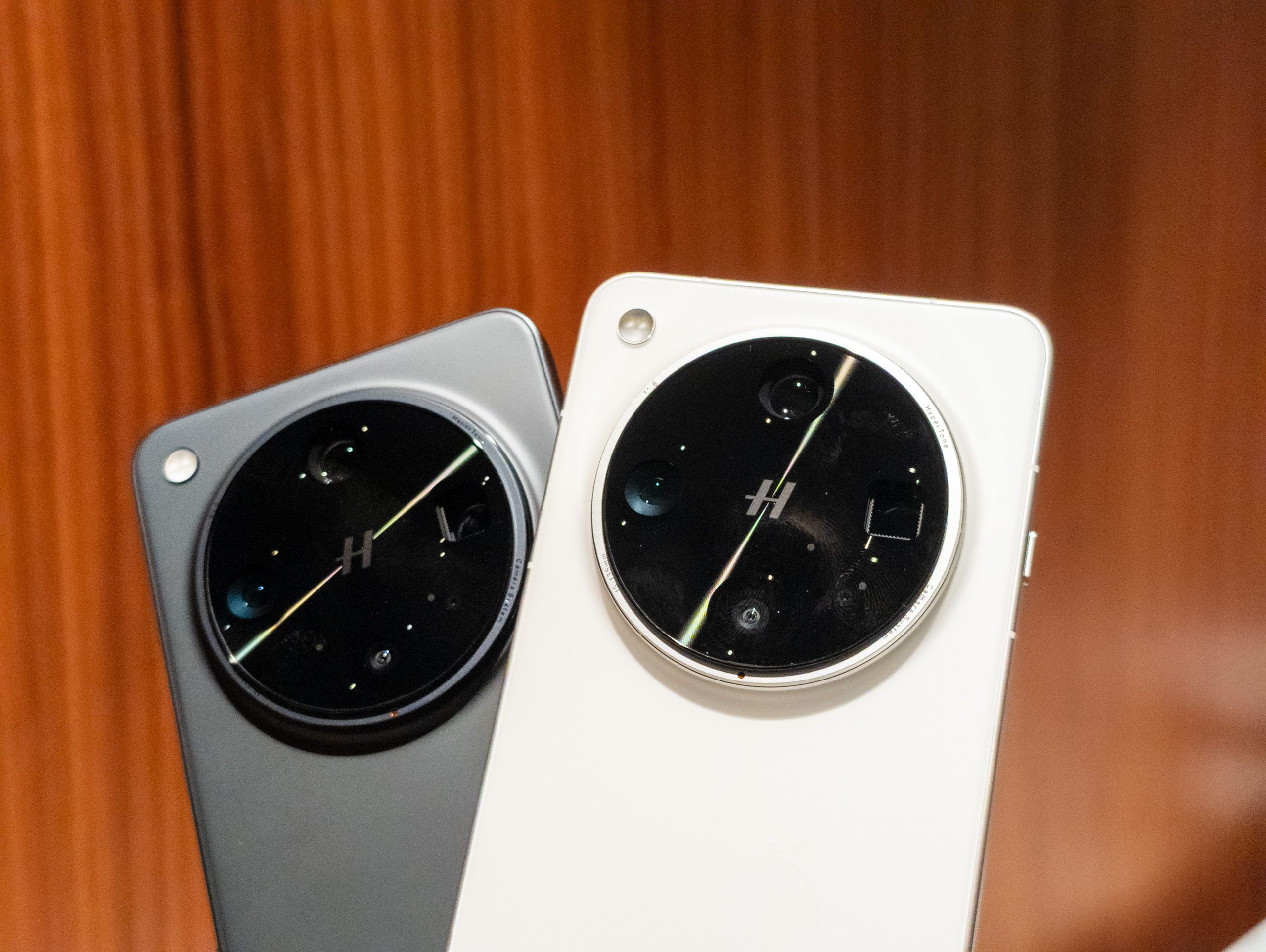
Similarly, there are numerous other advanced camera features that require testing separately. While many of these are tested in similar labs to this one, our limited time allowed us to focus only on these specific test labs and features. However, Oppo did confirm that it has many more testing labs similar to this one, with each set up in slightly different ways to test other features, such as recording video, using the front-facing camera, or even the autofocus speeds.
The incredibly interesting part? This approach to testing is working. Alongside lab testing, numerous additional hours are spent manually testing the performance of a smartphone camera against its chief competitors, whether from Oppo or a rival phone maker.






After thousands of total testing hours, photos like the ones above prove that this approach is effective: the Find X8 Pro, Find X8 Ultra, OnePlus 13, and even the new Find X8s series all feature phenomenal smartphone cameras that surpass the competition in many ways.
In particular, the Find X8 Ultra ranks top in many categories, at least based on my testing over the past few weeks. I look forward to seeing how Oppo’s cameras continue to evolve and exploring more of these labs during a future visit to China.