The fact that we still need to carry USB cords on the go whenever we need to charge electronics is appalling. It’s 2013, the future is already here. If the Qi Wireless technology exists, we don’t know why any gadgets are manufactured without it built-in.
As part of the Wireless Power Consortium, Qi can be integrated into mobile manufacturers products so cords can, once and for all, become obsolete. A tiny electromagnetic field generated through a pad features a metal coil that, when placed above Qi-enabled conductors, communicates with its mate to send a charge to your device. It isn’t the first time the concept of charging a phone wirelessly has been bandied about, but this technology marks the first time that it has been practical and available to most manufacturers.
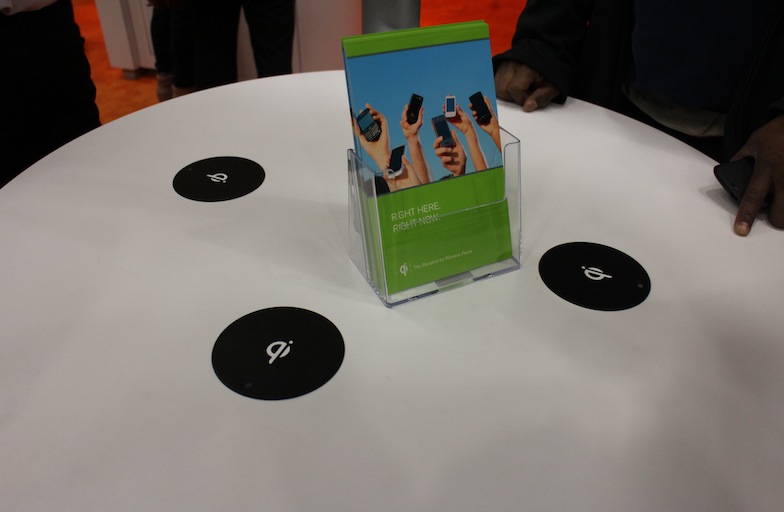 The pads can be built atop NFC chips, barely taking any space in a smartphone’s hardware. Some of the latest smartphones, such as the Nexus 4, HTC 8X, and Nokia Lumia 920, already have Qi outfitted into the body, meaning they can wirelessly charge on a Qi pad – no phone case necessary. For older phones, however, companies are beginning to offer phone cases or USB add-ons to enable Qi on their electronics.
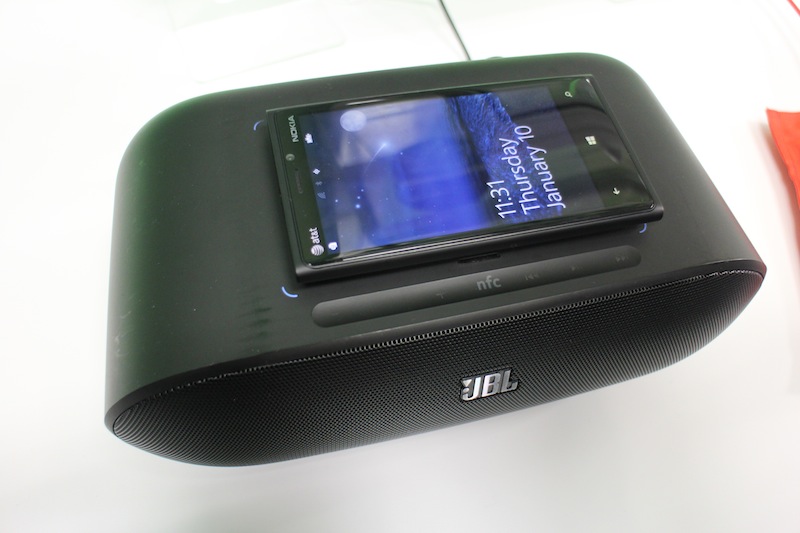
What this all means is that essentially any surface can become a charging pad. At Qi’s CES booth, we saw a table lamp with Qi integrated into the base. There were also speaker docks that require no connector, so you won’t have to worry if your iPhone needs a Thunderbolt or Lightning slot. We saw tables with docks seamlessly built into the surface to give restaurants, hotels, and cafes cool options to invite customers in and stay. At the moment, Qi runs at a maximum capacity of five watts, equal to a full cellphone charge in approximately one hour. Basically, if this technology exists on a larger scale, power mad journalists here in the CES press room would never have to fight over power outlet availability, and that equals a lot less cat fights.
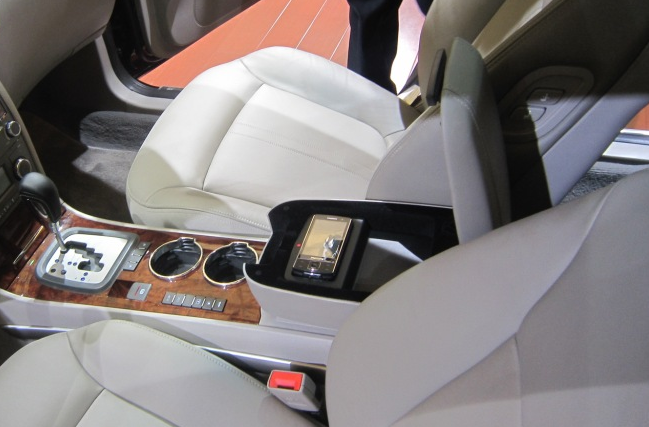 But envision a word of wireless charging wherever you go. Students can bring laptops to classrooms and not run out of battery midway through lectures. Drivers can leave their phone charging on the dock as they venture through a lengthy road trip. Those at home can put their phones on a chair’s arm rest and not worry about leaving it in the other room to charge. That imagery is part of the truly mobile world the Wireless Power Consortium promotes, and we couldn’t be more on board with that sort of future.