  1. Home
  2. Audio / Video
  3. Legacy Archives

Netflix and YouTube launch DIAL, an open alternative to AirPlay

Add as a preferred source on Google

Netflix DialSince the beginning, Apple has been a closed initiative. Early on, that approach was a big part of why the open Microsoft/Intel PC blew the Mac away, but it has also played a significant role in the company’s successes. Today, it’s one of the reasons that the iPhone thrives, but it’s also one of the reasons that the company’s wireless device detection and streaming technology – dubbed AirPlay – lay vulnerable.

For a some time now, the industry has been waiting for a true, open alternative to Apple’s streaming service. Now, it would appear Netflix and YouTube may have just delivered it.

Recommended Videos

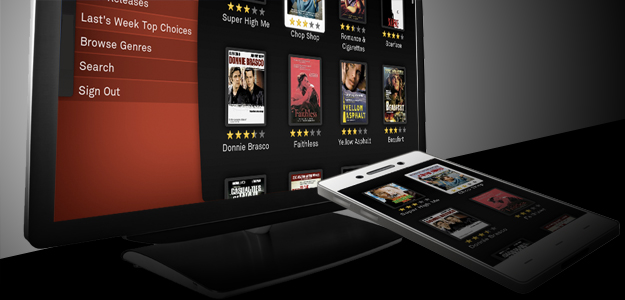
DIAL (Discover and Launch) is a collaborative effort between the two web-based behemoths, and streamlines the second-to-first-screen streaming process by offering automatic device detection, a feature noticeably absent from other AirPlay alternatives.

Once detected, a DIAL-enabled app on a connected device can transmit to a DIAL-enabled Smart TV, and launch itself on the big screen. It will not, however, mirror your mobile device’s display on your TV, a la AirPlay. Apparently, that was a conscious choice, made to allow room for innovation in control protocols.

Despite having created an innovative service, it would seem that DIAL is fighting an uphill battle against an entrenched opponent; seem being the key word in that sentence. Believe it or not, there are some DIAL-compatible devices out there already. Current-gen Google TVs support the tech, and it’s rumored that 2012 LG and Samsung Smart TVs do as well. Officials at the collaborating companies hope the openness of the technology will make it more attractive than closed alternatives and will help facilitate wider adoption.

DIAL has already gained the support of major players like Hulu, Samsung, Sony, and the BBC, and its creators are actively soliciting other backers. Apparently, Google Chrome is a target, and – if Netflix and YouTube are able to woo it into the mix – it could allow users to beam their web browser-based apps to their TVs.  

DIAL looks promising, but only time will tell us whether it’s a viable competitor. For now we’re left to wonder: Will Apple’s proprietary approach rule the day? Or will it be out-competed once again by a more flexible, open alternative?

Adam Poltrack
Former Contributor
Adam is an A/V News Writer for Digital Trends, and is responsible for bringing you the latest advances in A/V…
I desperately want a new classic Walkman, but Sony probably can’t give me one
Tech minimalism is begging for a new Walkman. Though rebuilding it may be close to impossible
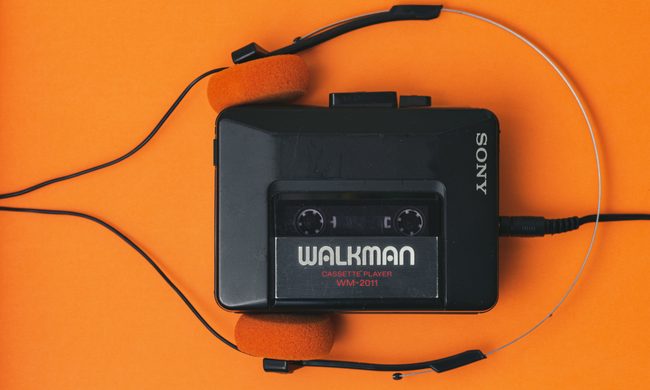
Sony Walkman WM2011

Every few months, another piece of tech that seems obsolete crawls out of a drawer and becomes cool again. The age of minimalism has revived the popularity of iPods among younger buyers. Dumbphones have become an escape hatch from endless notifications. Similarly, digital cameras are dangling from bags again. Physical media keeps attracting people who want something they can actually hold instead of another frustrating subscription.

All of this makes it the perfect time for Sony to bring back the classic Walkman, which was a phenomenon during the 80s and 90s. I would love one. Give me a compact cassette player, physical buttons, and wired headphones. Keep the apps, notifications, and algorithms that shape your taste of music. No more AI assistants or personalzied feeds, just you and your Walkman. There is only one problem though. Recreating the Walkman that people love and remember, would be far harder than putting an old design back into production.

Read more
Proton reveals how smart TVs track you and the escape situation is pretty grim 
Modern smart TVs fingerprint your screen content at the chipset level.
Google TV applications on the Sony A95K TV.

Your smart TV may know far more about your viewing habits than you realize, even if you rarely use its smart features. In a new privacy explainer, Proton warns that many modern TVs quietly collect data about everything displayed on the screen and share it with manufacturers, advertisers, and analytics companies.

The worrying part is that escaping this tracking is becoming increasingly difficult because many privacy controls are buried deep in settings or enabled by default. Proton argues that buying a smart TV today often means accepting a level of surveillance that most people never knowingly signed up for.

Read more
LG is cracking down on smart TV apps that quietly turn your TV into a secret proxy
LG OLED Settings

If you own an LG smart TV, there's a chance one of your harmless-looking apps has been moonlighting as an internet relay for someone else's traffic. According to a report from KrebsOnSecurity, LG says it's finally stepping in to stop this menace. This week, the company confirmed it plans to suspend any webOS app that turns a TV into what's called a residential proxy node.

The move follows a report from security firm Spur, which found that more than 42 percent of apps on LG's webOS store include SDKs that quietly reroute internet traffic through your TV, indefinitely. Samsung isn't spared either, with over a quarter of Tizen apps carrying similar code.

Read more