  1. Home
  2. Cars
  3. Emerging Tech
  4. Legacy Archives

Want to drive a hydrogen-powered car? Get a government job: DOE branch tests fuel cell Toyotas

Add as a preferred source on Google

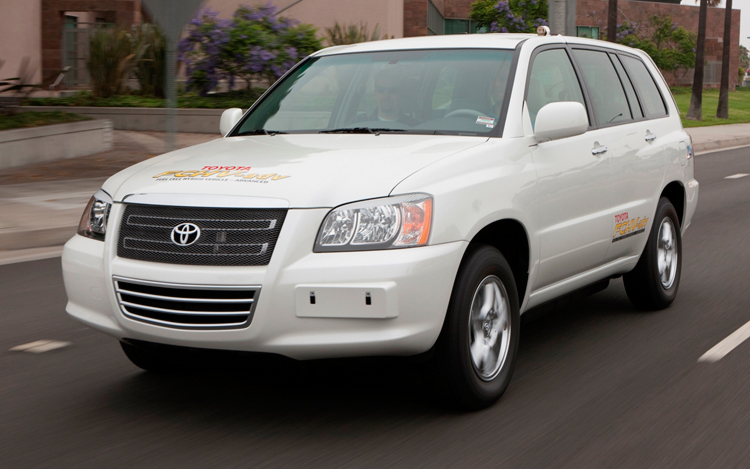
Toyota FCHV-adv front three quarter motionYou can’t walk into a dealership and buy a car powered by hydrogen fuel cells, but what if you could? Researchers are finding out. The National Renewable Energy Laboratory (NREL), part of the U.S. Department of Energy (DOE) has acquired four fuel cell vehicles from Toyota.

“We’re looking at the whole system—from renewable hydrogen production and vehicle fueling equipment to the impact of driving patterns and behavior on vehicle performance,” said NREL program manager for fuel cell and hydrogen technologies Keith Wipke. “Because the vehicles will be four or five years old by the time our two-year loan ends, we will also be able to observe extended durability and reliability, which is critical to their commercial success.”

Recommended Videos

Toyota has dubbed the model being tested Fuel Cell Hybrid Vehicle-advanced (FCHV-adv), and it really does operate like a hybrid without a gasoline engine.

The vehicles are based on the first generation Highlander. Each SUV is equipped with a fuel cell, hydrogen fuel tanks, electric motor, nickel metal-hydride battery, and a power regulator. The fuel cell can be used to drive the car (by providing electricity to the motor) and to charge the batteries.

To store hydrogen, the FCHV-adv has four tanks; two under the rear seat and two in the spare tire wheel (drivers had better get a AAA membership). The fuel cell vehicle also has aluminum body panels, to keep weight down.

All of that technology yields fuel economy of 68.3 miles per kilogram of hydrogen, and a range of 491 miles.

To complete the NREL’s holistic test of hydrogen motoring, the agency will use sustainably-generated hydrogen to fuel its SUVs. It will rely on the Wind-to-Hydrogen Project, which uses wind turbines and photovoltaic arrays to generate electricity for electrolysis, the process in which water is split into hydrogen and oxygen.

Stephen Edelstein
Stephen is a freelance automotive journalist covering all things cars. He likes anything with four wheels, from classic cars…
A new sodium battery posts wild four-minute charging numbers, but don’t expect it in an EV yet
The breakthrough could improve fast charging and battery life, but the study hasn’t demonstrated those results in a production-sized pack
EV Charger

A new sodium-metal battery has posted a charging number that makes today’s EVs look painfully slow. In laboratory testing, the cell operated at a 15C rate, equivalent to completing a charge or discharge in roughly four minutes.

That doesn’t mean researchers plugged in an electric car and watched it fill up before the driver finished buying coffee. The result came from a small experimental cell using a new quasi-solid electrolyte, while the larger pouch-cell prototype delivered far less dramatic performance.

Read more
The Apple Car may be dead, but it became the foundation of Apple Intelligence
A decade of work on a canceled car project reportedly laid the groundwork for Apple Intelligence.
Apple Intelligence in Apple Car

The Apple Car may have never left the garage, but it apparently gave birth to Apple's AI ambitions. According to Bloomberg's Mark Gurman, Apple's canceled autonomous vehicle project, one that consumed more than a decade of work and over $10 billion before being scrapped in 2024, ended up laying the technological foundation for Apple Intelligence. In a rather ironic twist, one of Apple's most expensive failures may also become one of its most important long-term investments.

The Apple Car forced Apple to think like an AI company

Read more
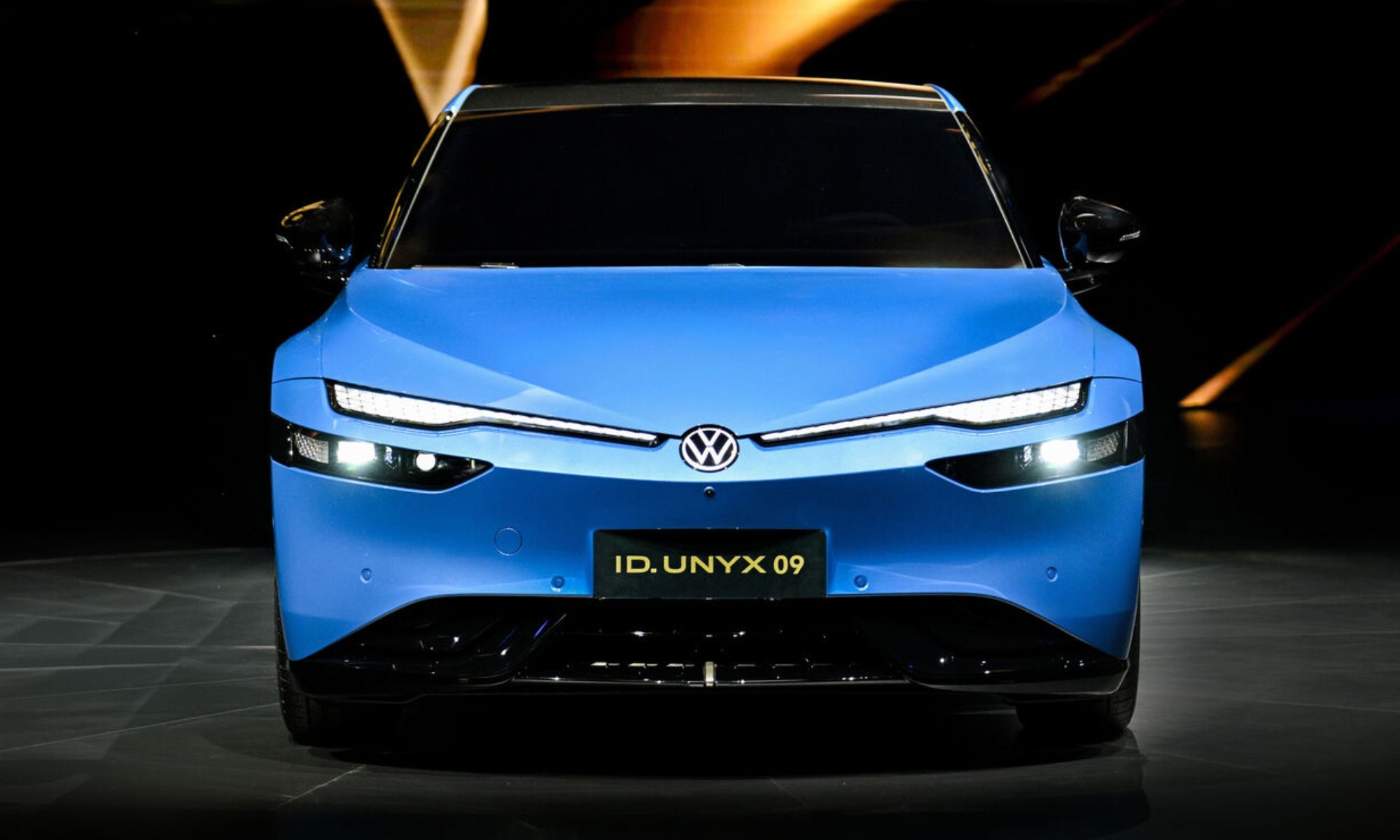
Volkswagen’s ID. Unyx 09 just leaked, and it’s the kind of EV I want to see in the US
VW's partnership with Xpeng is producing exactly what we hoped.
Bumper, Transportation, Vehicle

I've been watching Volkswagen's China lineup quietly get cooler for the past two years, but the ID. Unyx 09 might be the moment it finally gets exciting, not just for Chinese buyers, but for the rest of the world as well. 

Regulatory filings from China's Ministry of Industry and Information Technology, Batch 409, have exposed the full specs of the upcoming sedan ahead of its official launch later this year, and it looks nothing like any VW car I've seen before (via CarNewsChina).

Read more