Scan the shelves of your local bookseller, and you’ll be hard pressed to find many publications dedicated to home audio. You might get lucky and dig up a current copy or two of Sound & Vision, Stereophile, or What Hi*Fi?, but don’t expect to find more than three or four – and that’s on a good day.
Fortunately the Internet has become an attractive gathering place for audio enthusiasts of all types. There are dozens of online magazines, forums and blogs dedicated to home audio. That makes getting to information easier, but is the information really useful if we don’t provide more than an isolated review that puts the product into some form of framework that has meaning for you? How a specific component sounds in the context of a reviewer’s system should serve as a general guide, not a final and absolute statement on its capabilities – unless you happen to own exactly the same system and room – not bloody likely.
Where we have failed over the years as audio reviewers is in our efforts to help consumers assemble complete systems that fit within various budgets. If there is to be a future generation of music lovers who listen via something other than headphones or speaker docks, there needs to be more of an effort to help you assemble great sounding systems at different price points; and also discourage neurotic behavior that makes you want to change something for no good reason when you could be directing most of your disposable funds on music. We think system building doesn’t get enough ink and we aim to address that issue.
This weekly column is going to focus on building complete systems that will not get you the biggest bang for your buck, but also enhance your love of music. Each week, we’ll take a look at a different type of system, and we’ll keep that system within a certain price range.
This week we’re going to focus on powered speakers and USB DACs. Since the personal computer has become the new CD rack/cassette case/record shelf, it makes sense that we consider putting together a simple, high-performance audio solution that can pull all of that music out of storage, polish it up, and put it on glorious, audible display in our homes. Our budget for this installment: $1000.
The Freddie Mercury
- KEF X300A powered loudspeaker/DAC – $800.00

- Pure Music 1.88 playback software for Mac – $130.00
- JRiver Media Center playback software for Windows – $50.00
- AudioQuest Forest USB cable (1 meter) – $30.00
- KEF wireless dongle ($99 value, free when you register the X300As)

Total: $880 – $960 depending on software platform
The late Queen frontman had a voice and range like no other in rock ‘n roll history, so system #1 is based around a powered loudspeaker that absolutely crushes in that department. The X300A are a brand new product from the British manufacturer, and they pack a lot of technology into a little package. For more technical information, you can check out our first look at the X300A, but the bottom line is that they excel with vocals and can fill not only your desktop, but an entire room with sound. They have a punchy-sounding midrange, loads of detail, and bass response that negates the need for a subwoofer. You can drive these quite hard and they’ll reward you with great tonality and resolution at loud listening levels.
Third-party playback software such as JRiver Media Center and Pure Music are a must if you want to escape from Stalag 17…I mean iTunes. Pure Music works with iTunes, but allows you to significantly upgrade the sound quality of your music collection. Also, do yourself a favor and start moving away from MP3s. Listening to that lossy, compressed file type is viewing fine art through a pair of goggles caked with mud. Music files that support higher sampling rates (24/96 or 24/192) such as FLAC, AIFF and ALAC sound exponentially better, but you need something other than iTunes to listen to them.
Cables have always been the bane of the audio world, but let’s accept (for now) that a modest expenditure on better loudspeaker cables and interconnects will provide an improvement in sound quality. In the case of this system, a 1 meter AudioQuest Forest USB cable (from your laptop or desktop to the loudspeakers) for only $30 makes sense. If you want to place these speakers further away from the computer, then you’ll need a longer USB cable (also keep in mind that they are powered and need to be plugged into the wall) but 3-4 meters will not break the bank in this case. KEF will also send you a free WiFi dongle when you register so AirPlay becomes an option as well.
The great thing about the X300A speakers is that they also feature a 3.5 mm input jack ,which means that if you get the analog bug, you can always connect a turntable and phono stage at a later date.
The Gilligan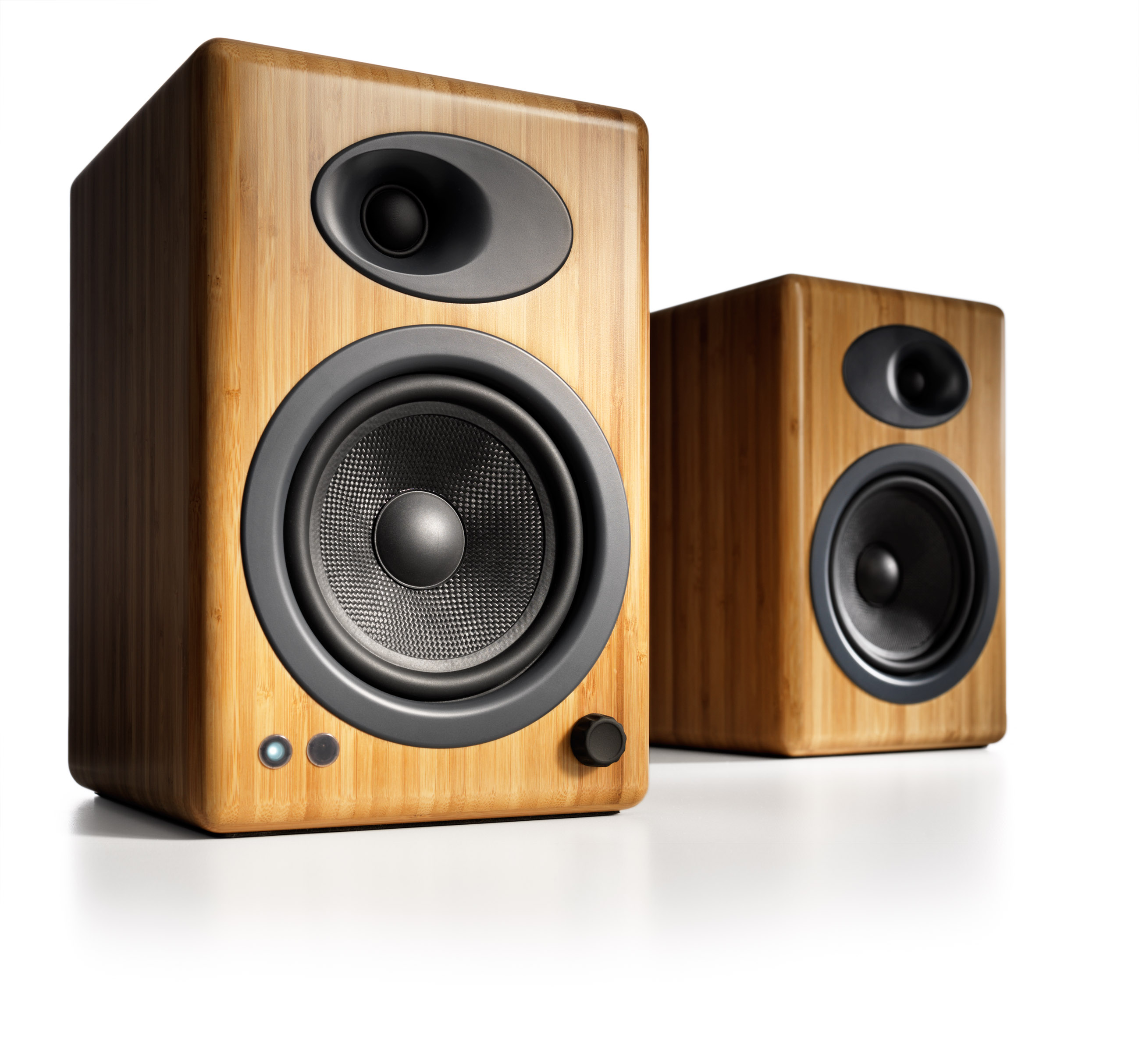
- Audioengine A5+N powered loudspeakers (bamboo) -$470.00 pair
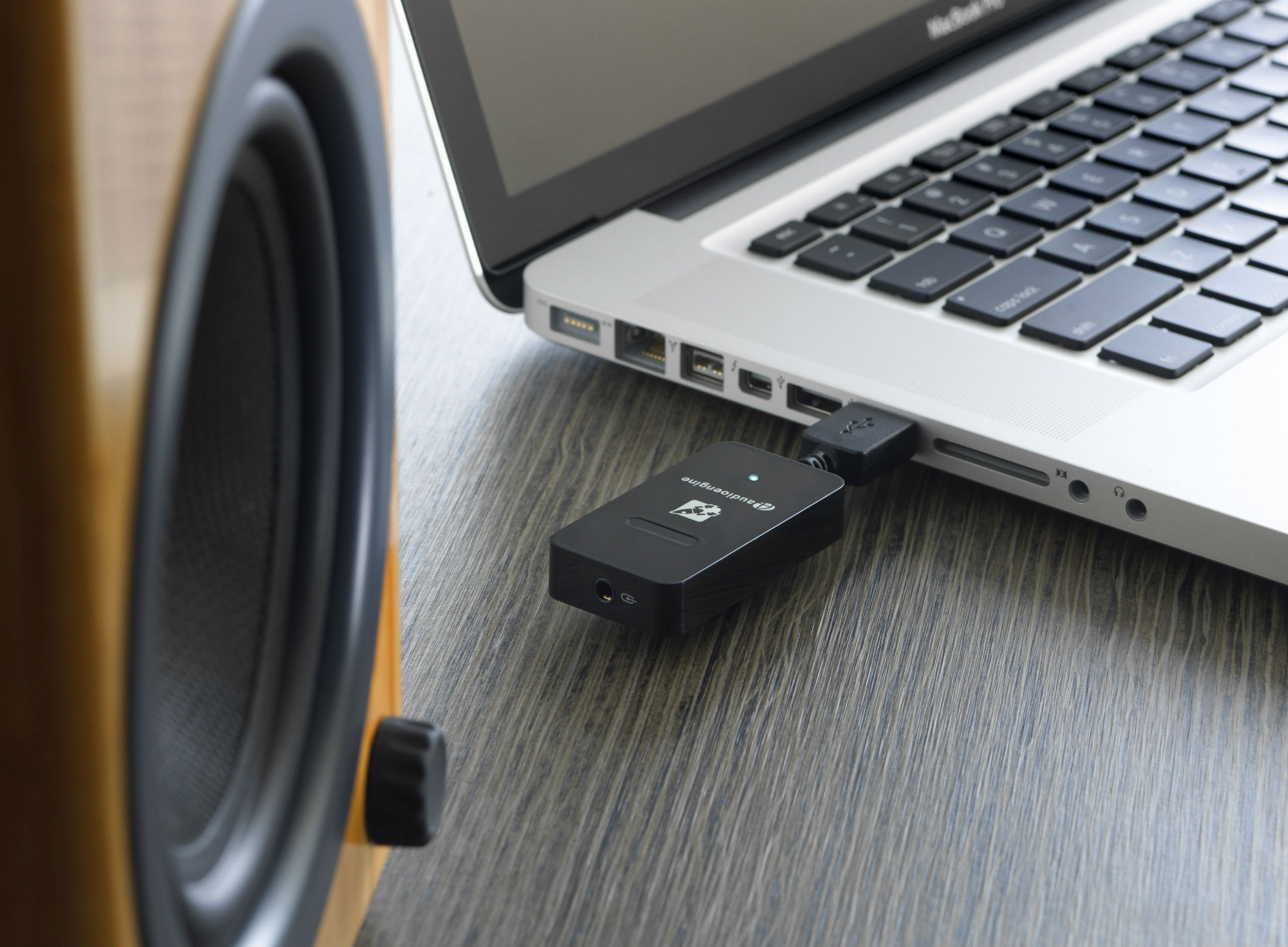
- AudioQuest DragonFly USB DAC – $250 or Schitt Audio BiFrost USB DAC – $350 to $450 depending on USB connection
- JRiver Media Center playback software for Windows – $50.00
- Pure Music 1.88 playback software for Mac – $130.00
- AudioQuest Forest USB cable (1 meter) – $30.00 if you use the select the BiFrost DAC with USB connection
- AudioQuest Forest Optilink optical digital cable (1m) – $25.00 if you select the BiFrost DAC without a USB Connection
- AudioQuest Evergreen interconnect (1 m with 3.5 mm pin/RCA or RCA/RCA) – $30.00
Total: $800 – $1,110 depending on DAC and cables
Had the professor been able to get some electricity going on the island (Gilligan drinking coconut milk on a treadmill connected to a conduction rod might have worked), the castaways would have figured out a way to build something like bamboo Audioengine A5+N powered loudspeakers. Sold direct online (zero tax and free ground shipping), the A5+N offer excellent sound quality, flexibility, and tremendous value for your money. They have a slightly smaller footprint than the KEF X300A but their 5-inch Kevlar woofers and 3/4″-inch silk dome tweeters produce a rich and rather airy sounding tonal balance. They are not as coherent sounding as the KEFs, but they are also $330 cheaper and work well with all types of music. Audioengine provides everything you need inside including cables, but we think the extra money for the AQ cables is well spent.
Both USB DAC options will offer an enormous improvement in sound quality over a direct feed from your laptop or desktop, and we’re not convinced you need to go the USB route with the Schitt Bifrost. If you can, save $100 and use an optical connection between your computer and the DAC. You can then throw the $100 at some new music or the optional Audioengine W2 iPod/iPhone/iPad wireless adapter.
Select the appropriate playback software and you’re ready to go.
The Brewmeister Smith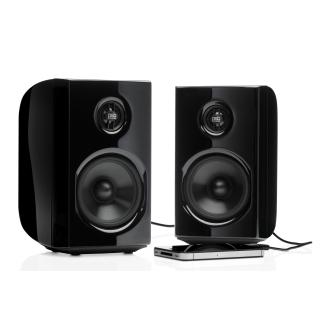
- PSB Alpha PS1 powered loudspeakers – $300.oo pair
- AudioQuest DragonFly USB DAC – $250.00 or Schitt Audio Modi USB DAC – $100.00
- Schitt Audio Magni headphone amplifier – $100.00
- JRiver Media Center playback software for Windows – $50.00
- Pure Music 1.88 playback software for Mac – $130.00
- AudioQuest Forest USB cable (1 meter) – $30.00
- AudioQuest Evergreen interconnect (1 m with 3.5 mm pin/RCA or RCA/RCA) – $30.00
Total: $640 – $870 depending on DAC and cables
Canadian loudspeaker manufacturer PSB has a long track record of getting things right. Chief Designer Paul Barton – who founded PSB around the time of the Canada-U.S.S.R Super Series in 1972 – is one of the most respected loudspeaker designers in the world, and he’s not one to fudge numbers. PSB’s loudspeakers measure well, sound fantastic, and are almost always the biggest bang for the buck in their respective categories. The Alpha PS1 powered loudspeakers lean toward the diminutive end at 7 x 4 x 6 (HxWxD – in inches), but they sound anything but small. The PS1 have a very balanced sounding presentation and throw a very wide soundstage that can even be appreciated while sitting at a desk. You can connect an iPod to them via a 3.5 mm input jack, connect a subwoofer thanks to an included subwoofer output, and even charge a USB device. From a tonal perspective, they lean more towards neutral than warm, but your choice of DAC will alter that.
Both the AudioQuest and Schitt Audio DACs work well with the Alpha PS1s, but we would go for the AQ if you prefer a warmer tonal balance. The Schitt Magni headphone amplifier is way too good for $100 and it’ll even drive your in-ear headphones really well. If you want to go wireless, you can connect to Apple AirPlay with an Airport Express module.
There you have it: Three very different sounding systems, but all designed to take computer audio to the next level.
Next week we’ll raise the budget bar to $2,500, spin some vinyl, and build the sort of living room system you always wanted, but didn’t think you could afford.