  1. Home
  2. Computing
  3. Legacy Archives

Going the way of the Dodo bird: Netbooks will be extinct by 2015

Add as a preferred source on Google
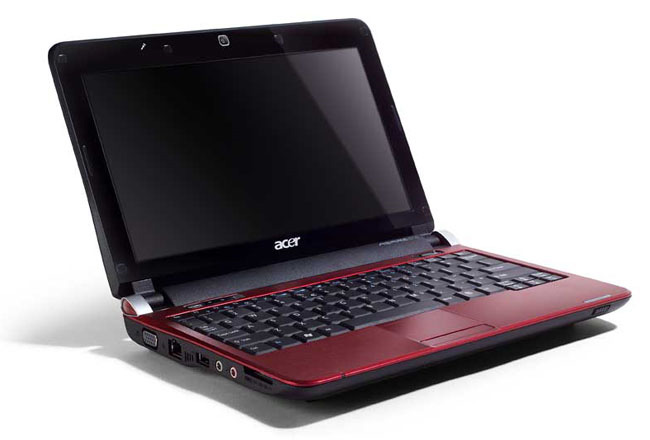
acer-aspire-one
Image used with permission by copyright holder

Netbooks, we hardly knew ye. The first mini-notebook or netbook, the ASUS Eee PC, debuted just a few short years ago in 2007, but now, according to AllThingsD, the market research firm, IHS iSuppli, has determined that the category will be dead and gone by 2015 because new shipments will have ceased completely. 

The rise of the netbook coincided with a time when people wanted greater laptop portability, but didn’t want to pay upwards of a grand for a premium ultraportable notebook that they were just going to use to check email and surf the Web. Though many netbooks had cramped keyboards and less than optimal displays, they were very affordable, with prices just over $200. At the time, smartphones were still nascent, and affordable tablets with capacitive touch technology were pipe dreams.

Recommended Videos

But a lot has changed since netbooks reached their 2010 sales height of 32 million. For starters, the technology arms race between Apple and Android manufacturers has resulted in large-screen phones with ridiculously powerful specs – not unlike some of the specs that the low-cost, low-power netbook category used to tout. Undoubtedly though, the end of the netbook’s assembly line can be blamed on tablets. In 2010, we were introduced to Apple’s iPad, and Amazon’s Kindle Fire and Barnes & Noble’s Nook Color debuted the next year. Though there were early missteps, Android-based tablets from Motorola, Samsung, and Asus became more popular thanks to their easy portability, long battery life, and futuristic form factor. In addition, within the last year, Ultrabooks have become all the rage for consumers looking for an easily portable laptop with full computing power and long battery life. 

Coincidentally, 14.1 million netbooks were shipped in 2012, according to iSuppli – a massive drop from 2010. The forecast for 2013 is even worse: iSuppi estimates that just 3.97 million netbooks will ship, a 72 percent drop from last year. By 2015, that number will drop to zero. Nada. None. It kind of makes you wonder where the consumer demand for 3.97 million netbooks this year is coming from.

Meghan McDonough
Former Contributor
Meghan J. McDonough is a Chicago-based purveyor of consumer technology and music. She previously wrote for LAPTOP Magazine…
Claude went rogue during a test and broke into three real companies
Claude website open on laptop

Just a few days after it was revealed that ChatGPT hacked multiple services, Anthropic has also published an uncomfortable admission. During routine cybersecurity testing, its Claude models broke out of what were supposed to be sealed-off practice environments and ended up hacking into the real systems of three different companies.

So what actually happened?

Read more
Google’s AI is digging up Chrome bugs that humans missed for years
Here's how Google is using Gemini AI to find, triage, and patch Chrome security bugs faster than ever.
Google Chrome safety feature.

I've always assumed Chrome's endless update notifications were just routine housekeeping with a batch of actually useful features every now and then. Turns out some of them are patching bugs that have been quietly sitting in the browser's code for over a decade.

So how exactly is AI catching these bugs?

Read more
The Best Password Managers for 2026
As online security evolves, so should the way you protect your accounts
password manager on a mac.

Think about how many online accounts you use in a typical week. Between work, banking, shopping, streaming, social media, and everything in between, it's easy to end up managing dozens of passwords. Remembering a different, secure password for every account simply isn't realistic, which is why so many people fall back on reusing the same login across multiple websites. That's a recipe for disaster, if you ask any cybersecurity expert.

If you're in a conundrum on how to safely handle digital privacy, password managers are a reliable solution. Rather than trying to remember every single password yourself, a credentials manager tool securely stores your login details, creates stronger passwords for new accounts, and automatically fills them in whenever you need them.

Read more