  1. Home
  2. Mobile
  3. Legacy Archives

Verizon launches the Pantech Perception, a 4.8-inch, $100 phone, hobbled by Android 4.0

Add as a preferred source on Google

Pantech PerceptionVerizon has added a new, budget Android phone to its line-up of 4G LTE devices. The Pantech Perception is its name, and according to the network, the device should be on sale right now. The Perception’s spec sheet is a mixed bag, as on the surface things look good, but dig a little deeper and there are one or two disappointments.

Let’s start with the display. The phone is equipped with a 4.8-inch Super AMOLED touchscreen, which has a 1280 x 720 pixel resolution; which is equivalent to the panel fitted to the Samsung Galaxy S3. However, inside the phone is a slightly less impressive dual-core, 1.5GHz processor, assisted by 1GB of RAM.

Recommended Videos

Flip the phone over and you’ll find the lens to an 8-megapixel camera with an LED flash and the ability to shoot 1080p video, while above the screen sits a 2-megapixel camera for video calls. There’s 16GB of storage space inside the Perception, plus a microSD card slot can be used to add another 32GB.

The Perception is a global phone which connects to Verizon’s 4G LTE network, and the feature list is completed by Bluetooth 4.0, DLNA, Wi-Fi Direct and a 2020mAh battery. Interestingly, the phone comes with Galaxy S4-like motion controls, where gestures made over the top of the screen can be used to answer calls, change the song playing, browse the photo gallery, or flick through your contact list.

You may be wondering where the downside of the Perception is, and it’s the operating system, which is Android 4.0 Ice Cream Sandwich. Ouch. Verizon does say an update to Android 4.1 Jelly Bean is coming, but the lack of even an approximate date is a concern.

If the old OS doesn’t worry you, the Pantech Perception can be purchased online and in-store with Verizon now, and it’s priced at $100 with a two-year contract, and is also eligible for a $50 mail-in rebate.

Andy Boxall
Andy has written about mobile technology for almost a decade. From 2G to 5G and smartphone to smartwatch, Andy knows tech.
The best note-taking apps for iOS and Android
I tested these apps for months so your notes never have to switch homes again.
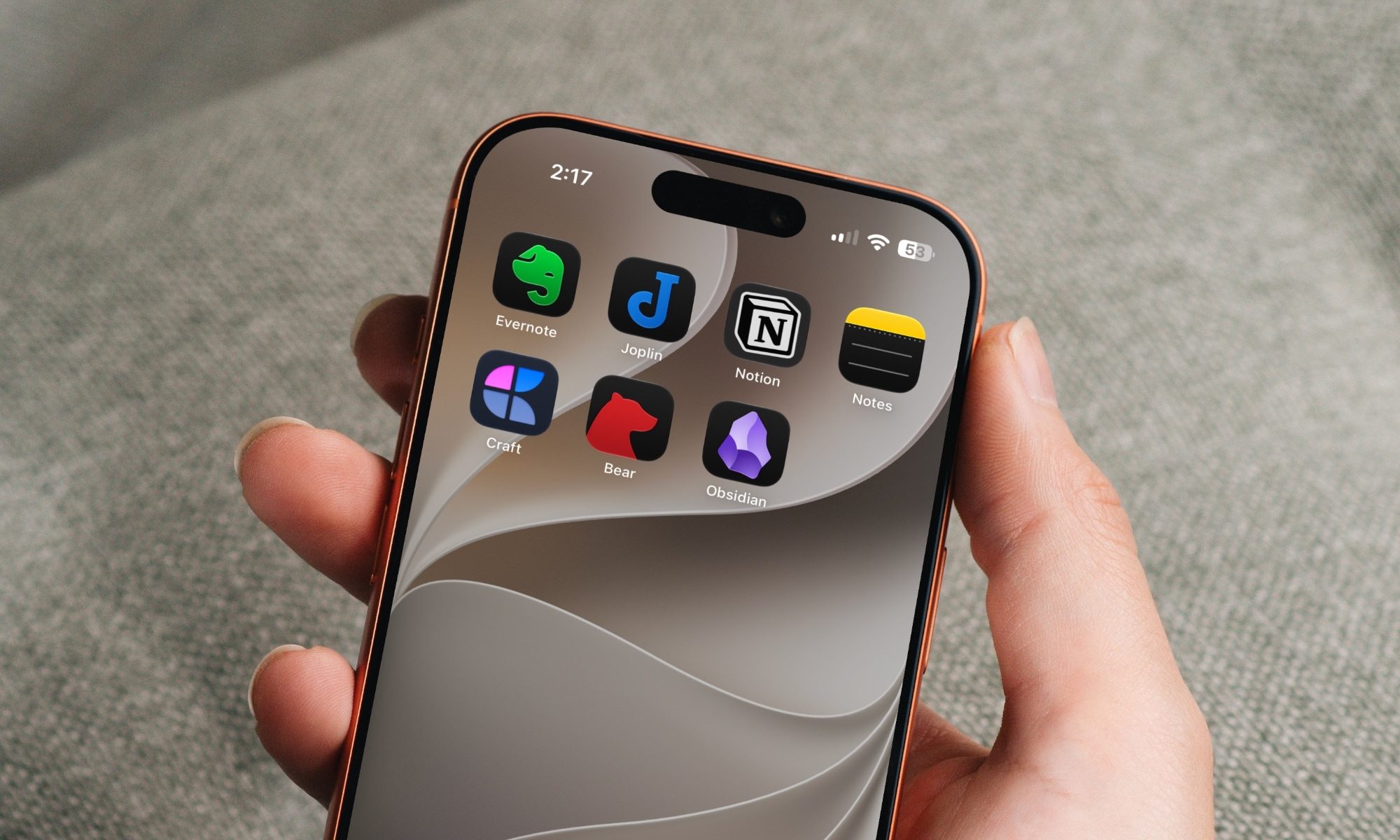
iPhone showing note-taking apps

Choosing a note-taking app is not easy. What note-taking app you choose depends on your needs, the platform you use, and of course, the cost. The process becomes even more complicated as it seems that there’s a new shiny app released every other week. 

That’s why I always suggest choosing a note-taking app that has all the features you need and can last you for a long time. Also, don’t chase new apps. The real power of a note-taking app comes when all your notes live in one place, making it easy to spot connections between them.

Read more
The best phones in 2026: our 14 favorite smartphones right now
We tested phones across all price brackets so that you can make the best pick based on your needs and budget.
Google Pixel 10 Pro Fold vs Galaxy Z Fold 7 cameras

Choosing the right smartphone in 2026 is no easy task. Apple and Android manufacturers now have strong options at almost every price, while better cameras, longer battery life, improved software support, new AI features, and more refined foldable designs have made the market more competitive than ever. But picking one is not easy, especially if your budget is tight, or you are just legitimately concerned about getting the best value for your money and need a reliable daily driver for long-term usage.

We have tested and compared the leading smartphones available today, looking beyond the spec sheet to see how they actually perform in daily use. Camera quality, battery life, performance, display quality, software, design, and long-term value all play a part in our recommendations. Whether you are looking for a powerful flagship, a dependable budget phone, a compact device, or a foldable, this guide should help narrow down your choices.

Read more
Snapchat Planets Meaning: Order, Rankings, and How Friend Solar System Works
Snapchat Planets turns your best friends list into a solar system, and yes, your orbit says a lot
Snapchat Planets being shown on the Snapchat app on iPhone.

Snapchat+ includes several exclusive features, but few have generated as much curiosity as Snapchat Planets. Part of the app's Friend Solar System, it transforms your Best Friends list into a planetary ranking, assigning each of your top eight friends a planet based on how often you interact.

From Mercury, which represents your closest friend, to Neptune, which represents your eighth closest, the system offers a quick visual snapshot of your interactions. But what do the different planets actually mean, and how does Snapchat decide who gets which one?

Read more