  1. Home
  2. Mobile
  3. Legacy Archives

Yet another variant: Samsung to launch faster Galaxy S4

Add as a preferred source on Google

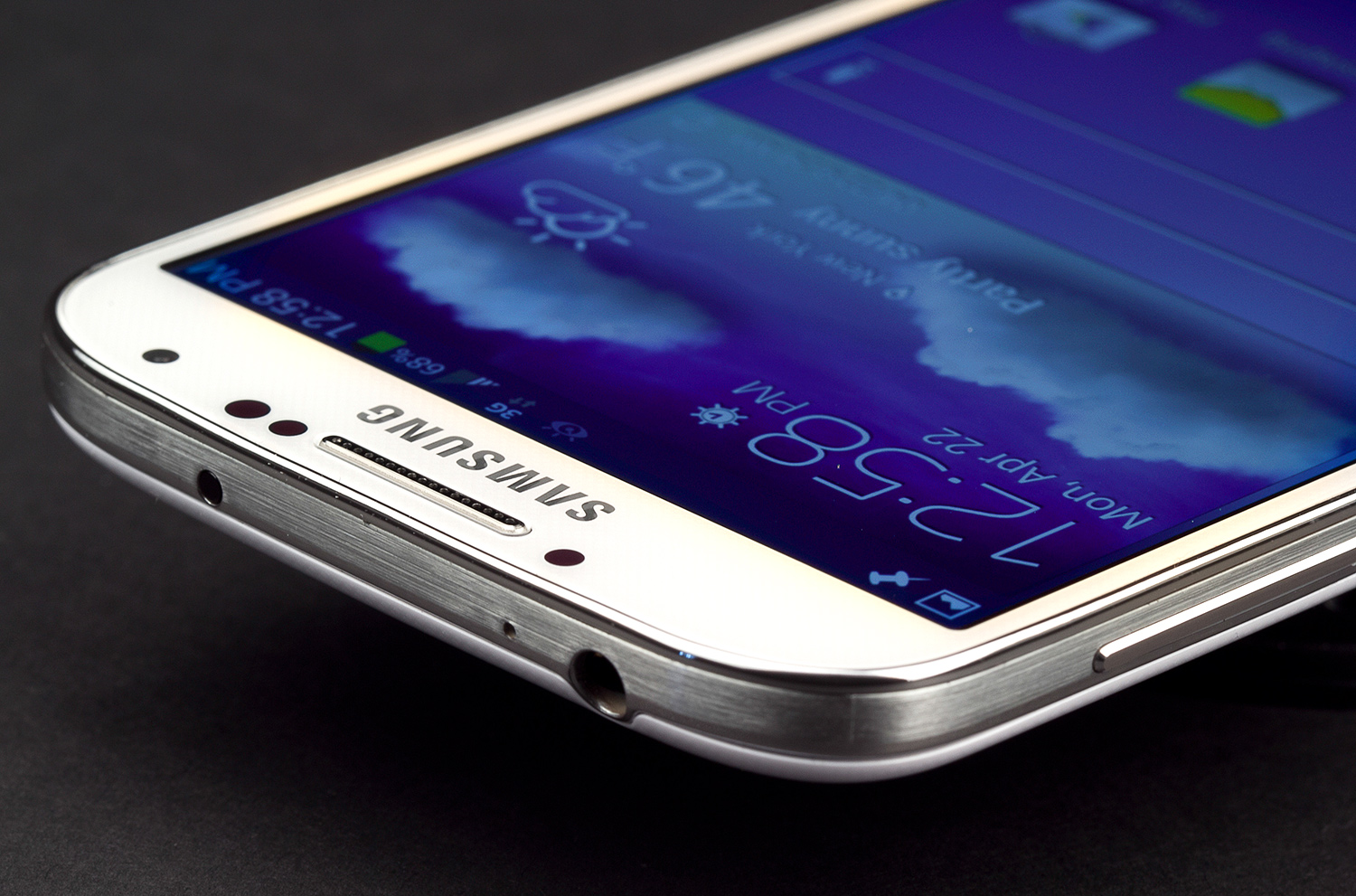
samsung galaxy s4 polycarbonate body macroSamsung appears to love its flagship Galaxy S4 handset to such an extent that it just can’t help pushing out more and more variants of the device.

In a move that may irritate a few of those who’ve already forked out for the handset, Samsung co-CEO JK Shin told Reuters on Monday that next up is a super-fast LTE-Advanced S4 that’ll be able to transmit data up to two times quicker than the current device.

Recommended Videos

According to Shin, the new, faster S4 could launch in South Korea as early as this month. Although he said the electronics giant was in talks with a number of overseas wireless companies about carrying the phone, he declined to divulge any further details.

Of course, the way things currently stand, few people will be able to take advantage of this latest S4 variant as there are currently hardly any LTE-Advanced networks up and running. But hey, if you happen to be in Russia and with wireless provider Yota, you’re in luck.

In the US, T-Mobile and Verizon are working on putting the infrastructure in place for LTE-Advanced, with AT&T looking to launch possibly toward the end of the year.

While it may seem a bit daft to release a handset with technology the vast majority of people can’t yet utilize, Samsung will hope the move plays well with consumers in boosting its image, helping to push the idea that it’s at the forefront of tech development and able to offer the very latest smartphone technology.

The Korean company has been busy announcing a number of S4 variants since the original model hits stores at the end of April. Besides the compact S4 Mini, you also have the more robust S4 Active and S4 Zoom sporting a 10x optical zoom.

Trevor Mogg
Contributing Editor
Not so many moons ago, Trevor moved from one tea-loving island nation that drives on the left (Britain) to another (Japan)…
Topics
Snapchat Planets Meaning: Order, Rankings, and How Friend Solar System Works
Snapchat Planets turns your best friends list into a solar system, and yes, your orbit says a lot
Snapchat Planets being shown on the Snapchat app on iPhone.

Snapchat+ includes several exclusive features, but few have generated as much curiosity as Snapchat Planets. Part of the app's Friend Solar System, it transforms your Best Friends list into a planetary ranking, assigning each of your top eight friends a planet based on how often you interact.

From Mercury, which represents your closest friend, to Neptune, which represents your eighth closest, the system offers a quick visual snapshot of your interactions. But what do the different planets actually mean, and how does Snapchat decide who gets which one?

Read more
How to use WhatsApp Web
We'll show you how to use WhatsApp on your desktop or laptop
WhatsApp Web

As one of the most popular messaging services, you’ve already heard of WhatsApp. From its humble beginnings in 2009—two years before Apple introduced iMessage—to its acquisition by Facebook (now Meta) in 2014, WhatsApp has become the dominant messaging platform around the globe.

In recent years, it's grown even more potent with new features like video messages, self-destructing voice messages, the ability to edit sent messages, and more. We even finally got an WhatsApp iPad app in May 2025.

Read more
What is WhatsApp? How to use the app, tips, tricks, and more
From setting it up to mastering hidden features, here is your complete guide to WhatsApp.
WhatsApp app store listing open on iPhone

There's no shortage of messaging apps out there. The past decade has given us more options than we know what to do with, largely because smartphones demanded something better than plain old SMS.

Both the App Store and the Play Store are packed with apps that promise to revolutionize the way we communicate. Most of them didn't make it. The truth is, a messaging app is only as good as the number of people using it, and most apps never cross that threshold.

Read more