
The upcoming Xbox One exclusive, Killer Instinct, will offer three ways for you to throw money at it, which could highlight the start of a new financial model for console gaming.
The console pricing model regarding software has remained fairly static over the years, at least compared to the “throw it against a wall and see what works” method PC gaming has employed (to great success). You have a game, you pay a pre-determined price. Sometimes you can download the game at a lower cost or purchase it used and pay extra for things like online connectivity, but the general idea has remained the same. More and more there is additional content you can purchase, but that doesn’t affect the cost of the game itself.
With the advent of free-to-play gaming, publishers are beginning to re-examine their financial models across platforms. A successful free-to-play model can be a massive success. It can attract more gamers than a game with a full retail price, and it can still end up earning publishers huge profits – for proof just look at Wargaming.net, makers of World of Tanks.
That free-to-play model is slowly beginning to make its way to the console market. The aforementioned World of Tanks is coming to the Xbox 360, and both the PlayStation 4 and the Xbox One have already announced a handful of games coming to the new systems that use that same financial model. On top of that, however, Microsoft is trying something a bit different.
When Killer Instinct debuts as a launch title for the Xbox One, it will offer gamers three different versions of the game that they can purchase. The first is the “Ultra Edition,” which features the full game, including the first eight characters (six will be available at launch and two will be added later), character accessory packs, additional costumes, and the original Killer Instinct arcade game. This bundle will cost you $39.99. The next package is similar to the “Ultra Edition,” just slimmed down. The “Combo Break Pack” will offer the game with the same eight characters, but it won’t feature the other content. This version will set you back $19.99.
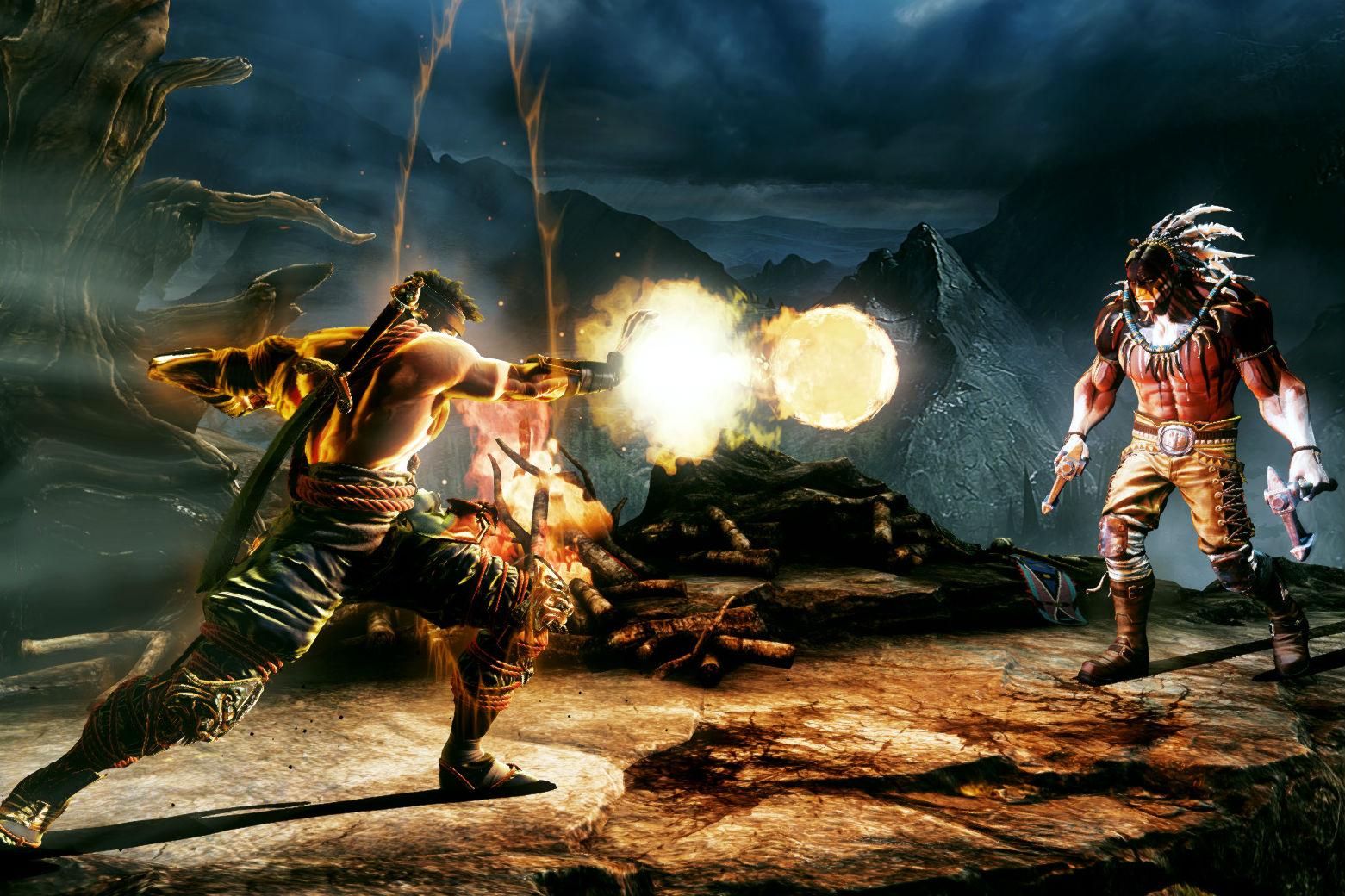 And then there is the free version to download, which comes with one playable character. Each additional character will then cost $4.99 apiece. It gives you the luxury of picking and choosing, but it would also cost you $34.93 to collect all eight characters.
This isn’t the first time a game has offered itself up with pieces you can purchase individually, but not on this scale. Killer Instinct is a high-profile launch title for the Xbox One, created exclusively for Microsoft, and it reboots a popular franchise. It stands to reason that if Killer Instinct is successful, we may see more games use this same model. And it’s not just Microsoft.
On the PlayStation 4 side, Sony is offering the game Driveclub as a free download to PlayStation Plus members. The racing game will have a full retail release as well, but the downloadable version will be trimmed down. It will still have all the features and mechanics, but it will offer significantly less cars and tracks. No word yet on whether or not the remaining cars and tracks can be purchased separately, but why wouldn’t they be?
With a free-to-play model, you are encouraged to buy things, sure, but you are rarely denied significant portions of content until you open your wallet. The top free-to-play game developers know that even if there is something they are sure gamers will be inclined to buy, you have to give customers the option to earn it through non-monetary means. This model is different, and it is both alarming or refreshing, given your point of view.
On one hand, it lends itself to abuse in a spectacular fashion. A publisher could decide to release a triple-A sequel to a successful franchise, but only sell a portion of the game, keeping many of the best elements locked behind a pay-to-play wall. Imagine playing Call of Duty or Battlefield online and having to pay for each individual map on top of a retail fee.
The other side of it is that you would have less risk to try a game and see if you like it. If you do, then you could gradually purchase what you like, leaving behind the things you have no use for and upgrading as your wallet sees fit. Gamers on a budget could still check out the game they want, and they could fully unlock it whenever they had the extra money.
This financial model is neither a good nor a bad thing at the moment, it’s just something different. You aren’t likely to see the death of full-retail priced games any time soon, nor are you likely to see free-to-play completely take over the console scene. This model falls somewhere in between.


