1. Home
  2. Computing
  3. Legacy Archives

Dell To Stop Free Home Delivery Oct 10

Add as a preferred source on Google

Only a few days after announcing its XPS line of computers with premium support aimed at luxury buyers, computer maker Dell is rolling back service for customers purchasing its low-end and basic systems: beginning October 10, 2005, Dell will no longer offer free deliver of low-end and basic models. Customers instead will have 10 days to pick up their systems at the post office, or can pay extra for home delivery.

Dell’s policy shift is built upon the United States Post Office’s new "Hold for Pickup" program, in which the Post Office holds packages at local post offices until the customer arrives to collect it. The USPS is promoting the service as a lower-cost option for mailers shipping high-value or heavy items who may not want the packages simply left at the customer’s door.

Recommended Videos

Both Dell and the Post Office argue the new service model is more convenient for customers who can’t be home when deliveries are scheduled; now they can pick up their systems at the Post Office at their convenience after work or on Saturdays during normal USPS branch hours.

However, "Hold For Delivery" presents new challenges to customers who can’t make themselves available during post office branch hours, potentially endure long waits to pick up their merchandise, or who aren’t able to move the items because they don’t have appropriate transportation or because they’re physically unable to do so. For these customers, Dell will still offer home delivery of purchases for an additional, as-yet-unspecified charge.

Dell has been successful based on its model of direct sales and service, including final delivery to customers. However, the company is now seeking to cut costs and increase operating margins, in part because it missed revenue forecasts for revenue growth during its most recent fiscal quarter.

Geoff Duncan
Former Contributor
Geoff Duncan writes, programs, edits, plays music, and delights in making software misbehave. He's probably the only member…
NVIDIA’s new AI can detect deepfake videos in just 22 milliseconds
NVIDIA has a new AI tool that can tell fake videos from real ones in milliseconds
Nvidia logo

As generative AI becomes increasingly capable of producing videos that are nearly indistinguishable from real footage, the race is no longer just about creating synthetic media. It's about detecting it before it spreads.

At SIGGRAPH 2026, NVIDIA unveiled Synthetic Video Detector, a new AI-powered verification tool designed to identify AI-generated videos with remarkable speed and accuracy. Rather than replacing traditional fact-checking or forensic analysis, the company says the technology is intended to give newsrooms, broadcasters and enterprises another layer of confidence before synthetic videos enter the public domain.

Read more
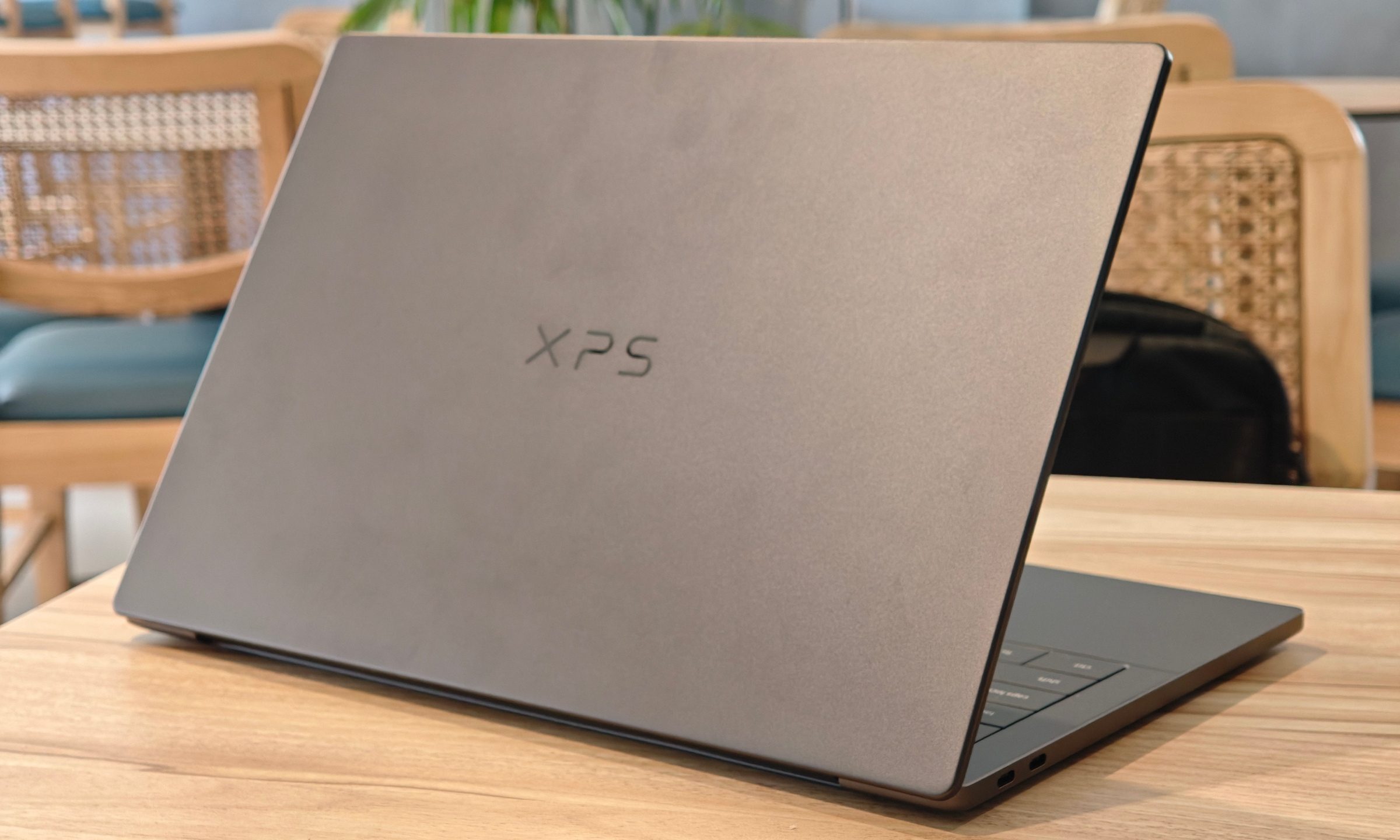
Dell XPS 14 (2026) Review: Dell’s classic Windows laptop returns, and it’s hard to put down
The icon returns, and shows why it's still relevant
Dell XPS 14 Review: Featured

Quick take

Dell’s XPS line has always carried a certain weight. It is one of those Windows laptop families that people recognize even if they don’t follow laptops too closely. Clean design built with premium materials, sharp displays, and high-end hardware. The Dell XPS 14 DA14260 continues that legacy. 

Read more
Samsung’s secret AI chip could finally cool down Exynos phones
Samsung's GAIA AI chip is landing in laptops first, but its shared DNA with Exynos hints at a real fix for phones down the line.
Samsung Exynos chip illustration.

If you've ever owned an Exynos-powered Galaxy phone, you already know the drill: heavy tasks like capturing back-to-back pictures or photos for a while, heavy gaming, or rendering videos turn your device into a hand warmer. 

In such a situation, the battery bar drops faster than usual as well. Turns out, Samsung might be working on the fix, and it's coming in a way nobody expected.

Read more