The vanilla iPhone, the one that sits at the starting point of the price ladder, is often awarded monikers such as “the iPhone for most people” or “ the good enough iPhone.” It has, undoubtedly, been a great value for iPhone buyers, but also easy to overlook compared to the charms of the Pro model. This year, it’s hard to ignore.
Historically, Apple has reserved the best in terms of camera chops, build perks, and display niceties for the pricier flagships. And deservedly so. Moreover, the baseline iPhone has also felt competitively hobbled against its Android competition. The iPhone 17 marks a big shift, while keeping the price intact at $799.
The display is no longer an afterthought
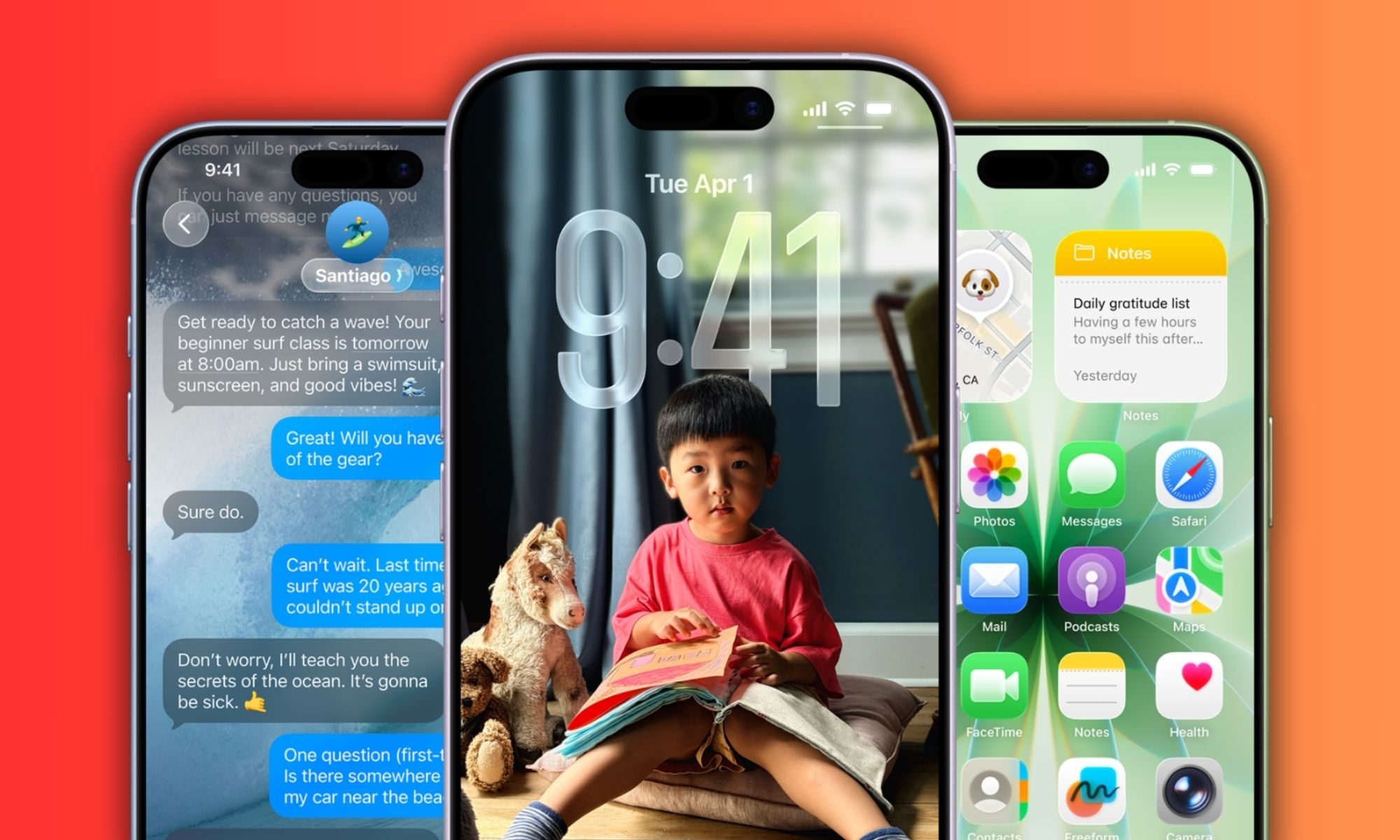
At last, the entry-level iPhone gets a faster 120Hz screen, bringing it to the same level as its Android rivals. But the company didn’t just stop there. Apple made changes across the board, aside from just increasing the size from 6.1-inch to 6.3-inch.
The OLED panel now has slimmer bezels, and it looks a lot cleaner compared to its predecessor. More importantly, the iPhone 17 is also treated to the new Ceramic Shield 2 layer with a special coating on top. All that display engineering wizardry not only reduces the glare problem but makes the the panel thrice as resilient to scratches, as well.
Apple has also pushed the brightness levels significantly. The peak brightness of the iPhone 16 is 2,000 nits, but on its successor, the value climbs to a stunning 3,000 nits. Those are the kind of numbers you will come across on top-shelf Android flagships such as the Samsung Galaxy S25.
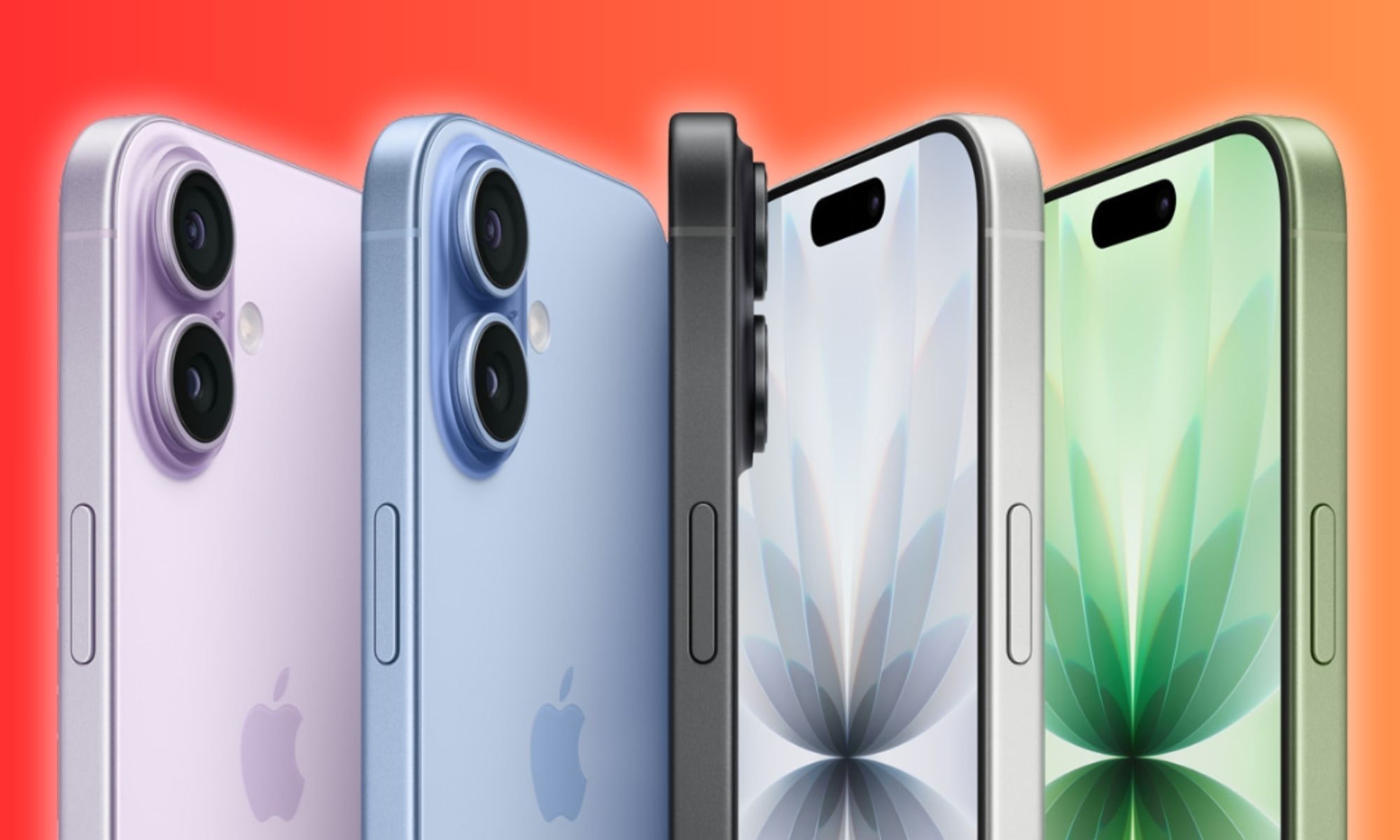
The higher brightness is not only good news for legibility, but is also claimed to double the contrast levels. In a nutshell, even when viewing the screen outdoors, you will have a better experience in terms of visual comfort and sheer brilliance.
Of course, the star of the show is the Super Retina XDR display with ProMotion tech that dynamically adjusts the screen refresh rate between 1Hz and 120Hz. That upgrade is definitely going to make UI interactions feel smoother while saving on battery juice, but it also opens the doors for an always-on display mode.
So, whether it’s Live Activities or widgets, you can access them all on the lock screen without worrying about excess power draw. Overall, the iPhone 17’s panel is one of the most appealing aspects of the device, and a much-needed upgrade that buyers have been asking for years.
The cameras mean business
Over the past few years, the focus on delivering better zoom cameras for long-range capture has been evident across the industry. Google also felt the pressure and put a dedicated zoom lens on the Pixel 10 this year. Apple isn’t quite playing the triple-lens game yet, but it has made some notable changes on the iPhone 17.
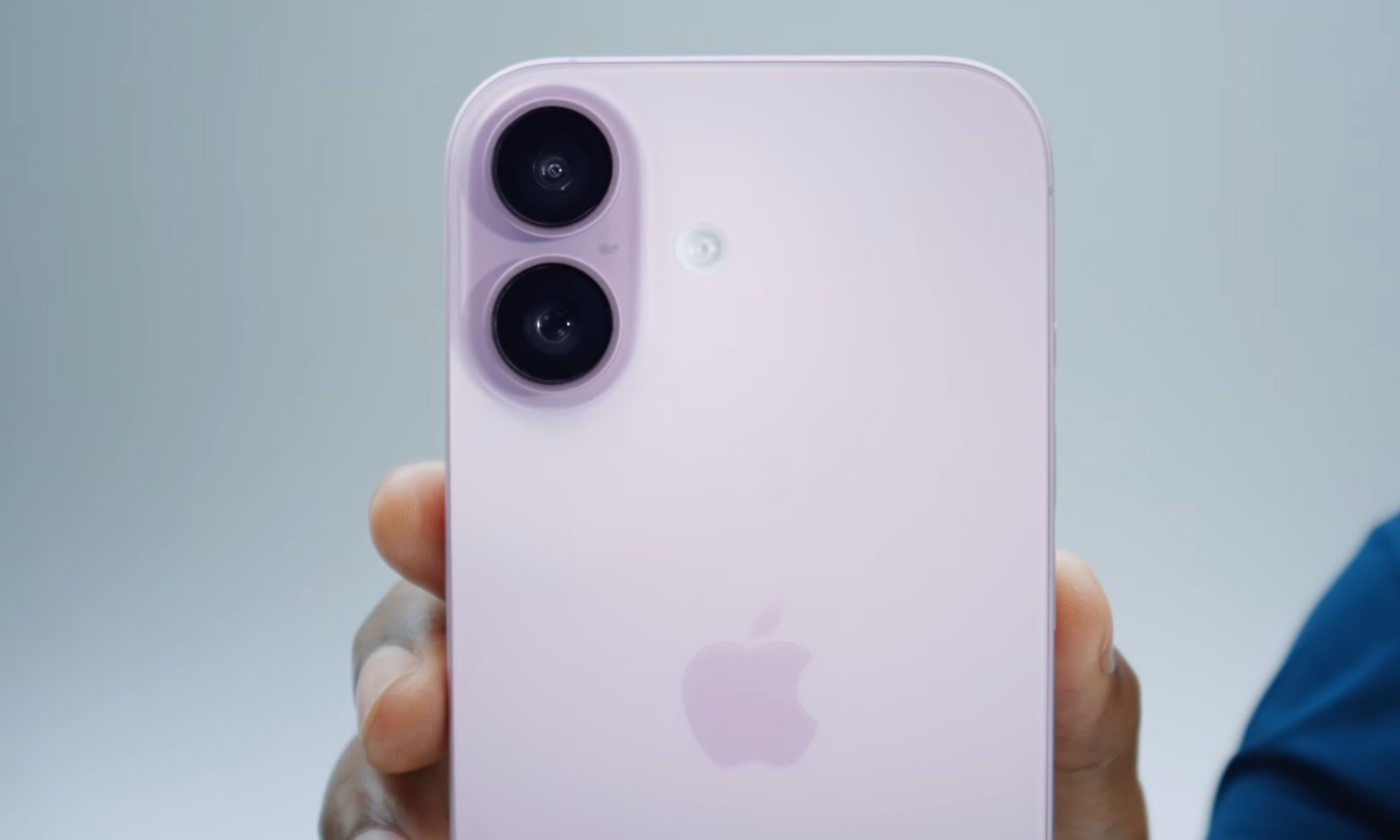
First, the ultrawide camera has been upgraded to a 48-megapixel sensor, matching the resolution of the main snapper. In doing so, the new Fusion Ultra Wide snapper also opens the doors for macro capture with enhanced levels of pixels details and versatility for users.
The primary camera offers what Apple refers to as “integrated optical-quality 2x Telephoto,” which does zoom capture, as well. Additionally, it also lands the ability to record up to 4K Dolby Vision videos with the front and rear cameras simultaneously.
On the topic of the front camera, the iPhone 17 makes another huge leap by adopting a new 18-megapixel Center Stage camera sensor. Aside from the obvious jump in resolution, it enables support for Apple’s Center Stage tech while capturing photos as well as video calls.
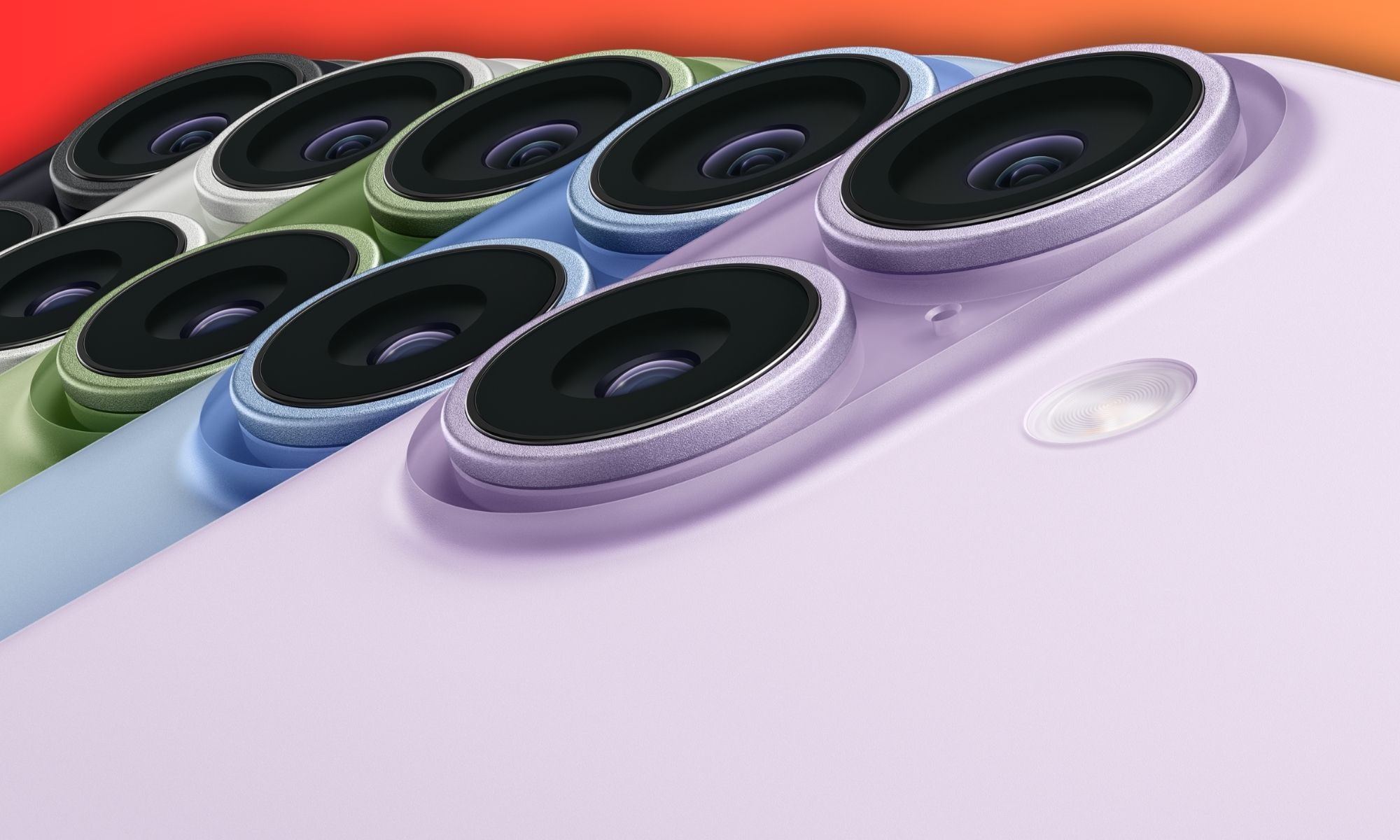
Additionally, it can record videos with an added dash of stabilization, a perk that is tailor-made for vloggers and content creators. This is the first square front camera sensor ever seen on an iPhone, and it also offers a wider field of view. The biggest benefit is effortless frame adjustment and automatic recognition of subjects.
Users no longer have to tilt their phone. Even while holding the phone in portrait orientation, they can click landscape selfies with a wider field of view. Overall, the iPhone 17’s camera package is not only a meaningful upgrade, but it also serves a few tricks that you won’t find elsewhere.
The battery and silicon make a big leap
For years, Apple has courted flak for slow charging on its smartphones. Well, the iPhone 17 marks yet another noteworthy jump. Compared to the peak 20W wired charging on the iPhone 16, the latest from Apple doubles the pace by enabling 40W wired top-up.
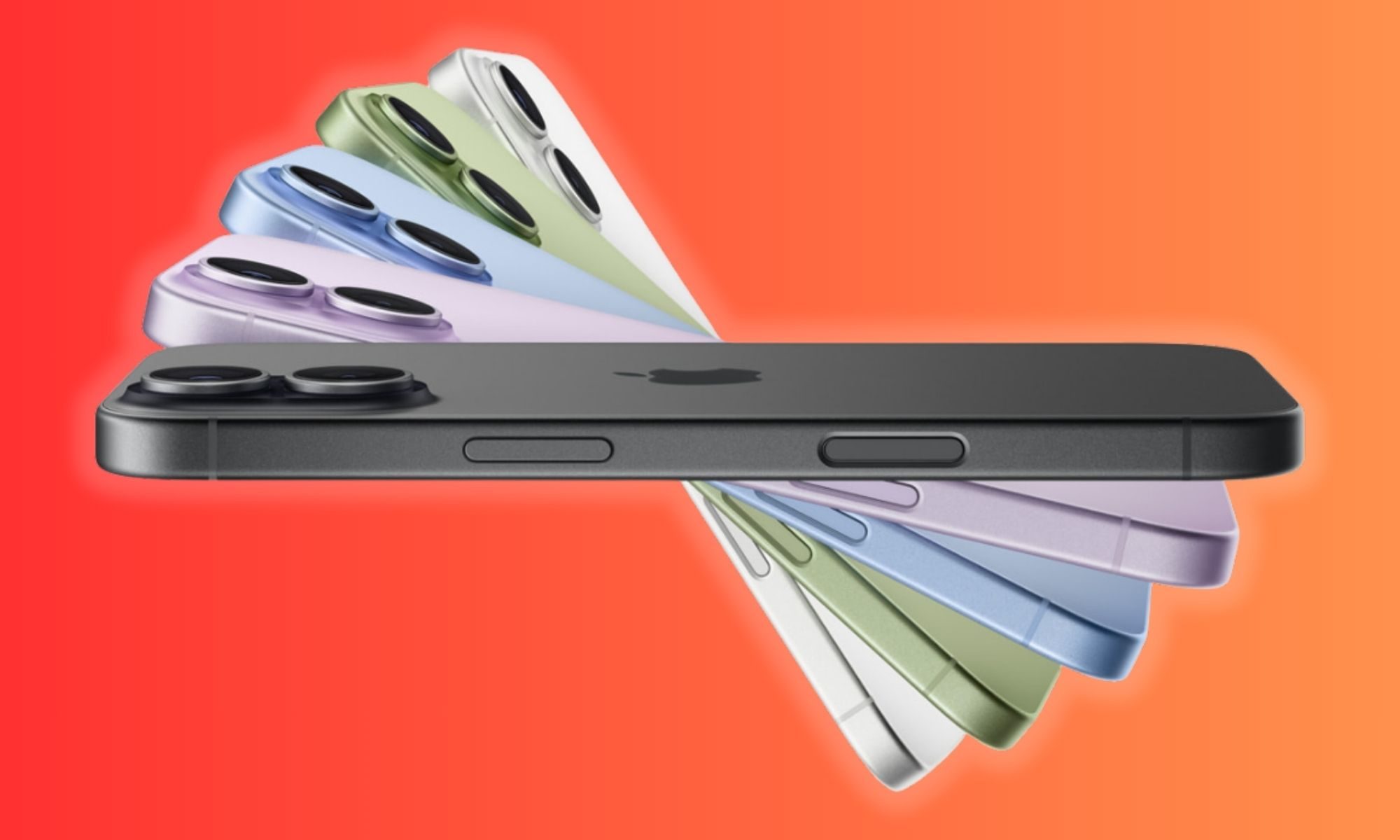
That means you can fill an empty tank up to the 50% mark in just 20 minutes, instead of having to wait for 30 minutes. That speed bump is also meaningful because the iPhone 17 comes equipped with a longer-lasting battery, but still charges faster.
Apple is also touting some big gains in the battery efficiency department. The iPhone 16 is rated to last 18 hours of video streaming, while its successor can go all the way up to 27 hours, which is a huge 50% leap. A portion of the battery efficiency gains can be attributed to the new A19 processor, too.
The next-gen Apple silicon has a more powerful CPU and a graphics engine, but the new fused design of the Neural Accelerators within the GPU core is something special. Apple says it will help “run powerful generative AI models on device.”

The benefits won’t be apparent immediately. But as Apple inches closer to launching the AI supercharged version of Siri next year, builds its own knowledge engine, and allows on-device AI to get work done across different apps, the A19’s enhanced neural processing chops will come in handy.
Overall, with the iPhone 17, Apple hasn’t delivered a lukewarm year-on-year iterative upgrade. Instead, it takes a holistic approach to fixing the competitive gaps of its predecessor, and comes out swinging as one of the most well-rounded phones in its price bracket. It’s now an easier pick from a value-first lens, and much harder to set aside, especially compared to the Pro models this year.