Nikon Rumors (via PetaPixel) has posted details about a patent filed by Nikon in Japan that suggests the camera company could be building a new digital medium format camera or moving into the category in some fashion.
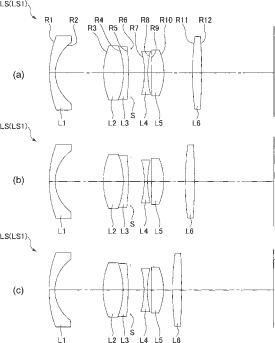
The patent doesn’t actually highlight any specific camera, but a 100mm f/2.5 medium-format lens. Although Nikon has created medium format Nikkor lenses way back, the company hasn’t produced anything larger than full-frame 35mm in recent memory.
This rumor follows reports that rival Canon could also be jumping into medium format, possibly building its own camera (rumored for 2014 launch) or investing in a European medium format manufacturer (rumors are hinting toward Phase One). Canon has already developed giant sensors, but those R&D prototypes are meant for commercial and industrial applications (think: observatory telescopes). Still, it shows that a medium format sensor isn’t out of the question.
So, what is the big deal? Medium format is a niche category that most consumer users won’t ever encounter, but it’s one that professional or advanced photographers could benefit from. Historically film cameras were medium format (or larger) before switching to 35mm (and then getting smaller when digital came around), but a digital medium format camera provides much higher resolution than a full-frame camera, resulting in excellent image quality with superb details, thanks to a larger sensor. Medium format cameras tend to be slower and larger, so it won’t replace a “regular” DSLR as an everyday camera; medium format is ideal for portraitures in a photo studio.
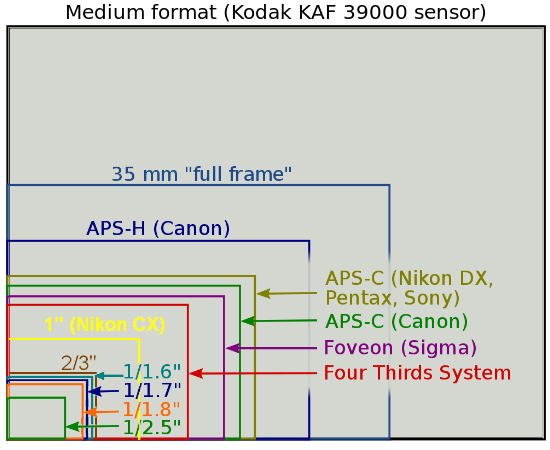
Medium format cameras (and the digital backs that work with film cameras) are expensive, another reason why they are so niche. There are few players in this sector, such as Mamiya, Phase One, and Hasselblad, although Pentax has one in its lineup, the 645D (shown above, from 2010). Competition from Canon and/or Nikon could see medium format becoming less expensive and more available.
Rumors aside, companies file patents all the time, but they may never act on them. But the rumor is interesting because Nikon has stated that it’s looking for new business. Smartphones have given Japanese camera makers a beating, and Nikon recently reported lower-than-expected profits due in part to poor sales in the compact system camera sector. DSLR sales are still healthy, but Nikon (and Canon) obviously sees it can’t ride things out solely on DSLRs. Whether medium format is where Nikon plans to enter remains to be seen, but it isn’t completely implausible.