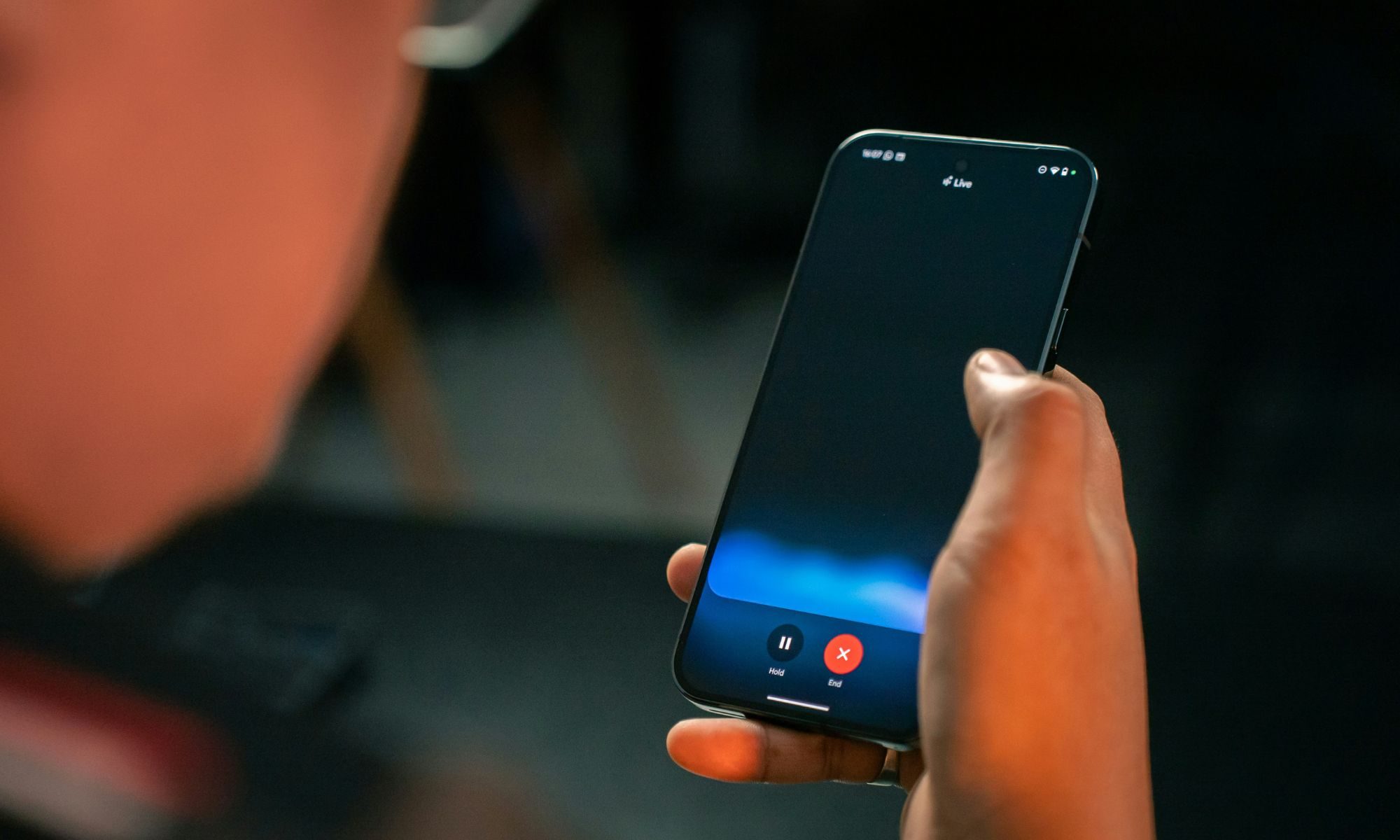
Apple is yet to launch a pair of smart glasses. And by smart glasses, I don’t mean those snazzy pairs with a built-in holographic display, miniaturized projector unit, or even a display unit that can pull 3D tricks. I’m talking about your average pair of smart glasses that merely come with a built-in camera, speaker assembly, and touch inputs.
You know, the kind Meta has made in partnership with Ray-Ban and Oakley. Despite all the skepticism, they’ve proven to be hits. Big enough that Meta has a more advanced pair lined up for a late 2025 debut, followed by a more advanced version with silicon carbide lenses and micro LED projectors. That begs an obvious question:
So, where is Apple?
Apple, a company with a pedigree of making astoundingly well-engineered products, such as the Vision Pro headset, is conspicuously missing from the smart glasses race, so far. Yet, after seeing the iPhone Air, I think the company is on a trajectory to make arguably the best smart glasses out there. Or at least something at par with Meta.
According to Bloomberg, Apple is indeed eyeing smart glasses, and its first attempt could land as early as next year. The company will reportedly start modestly, pulling off something similar to the Meta Ray-Ban Stories smart glasses. The core idea is a connected wearable with an onboard camera, speaker, and mic.
“One person with knowledge of the glasses said they will be similar to the Meta product but better made,” reports Bloomberg. I have little doubt that Apple can do one “better” than Meta, especially after seeing the iPhone Air.
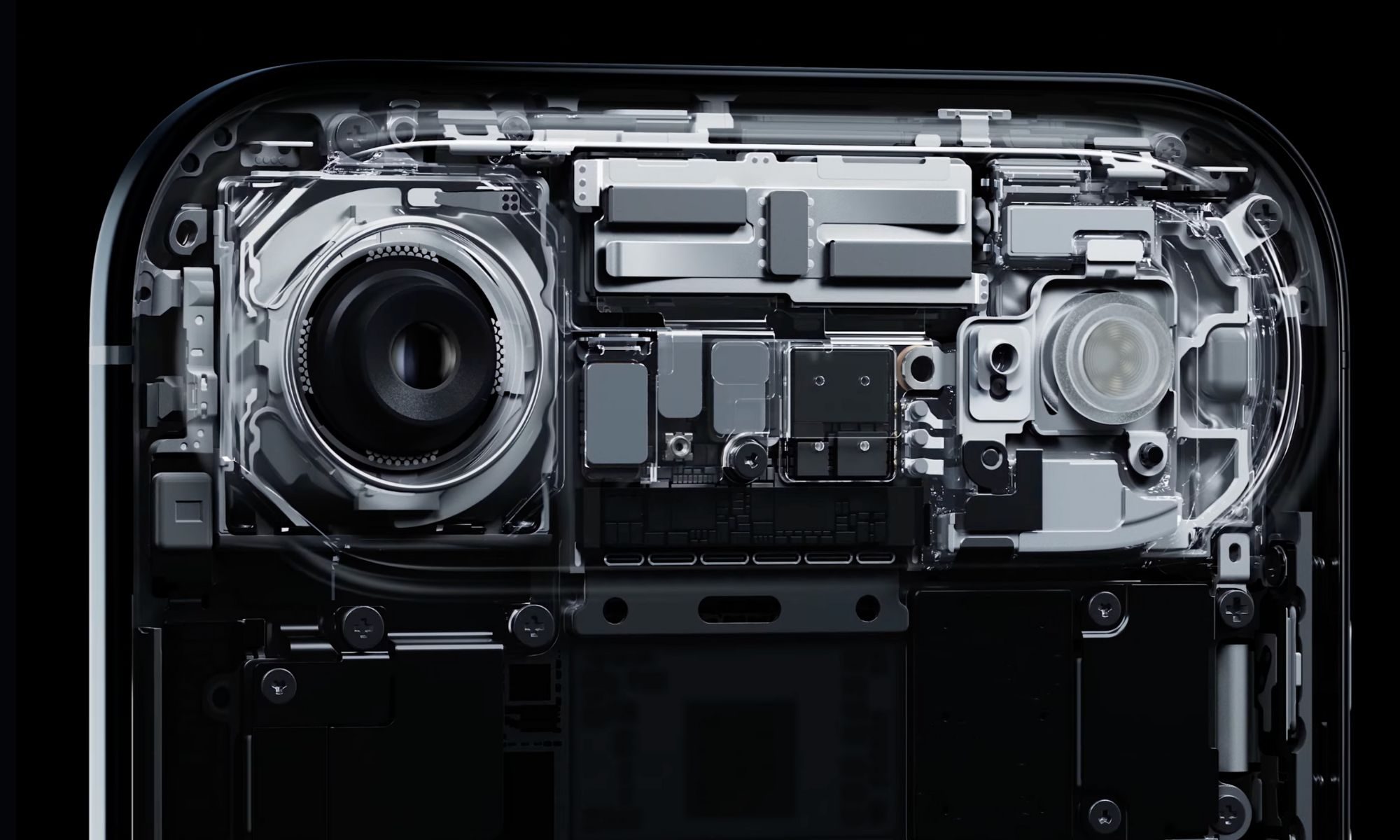
Beyond its record-breaking slim waistline, we essentially have a computer that’s been fitted inside a pill-shaped hump at the back of the phone. A healthy portion of that plateau is occupied by the rear camera sensor with sensor-shift stabilisation hardware, and the front camera kit, as well.
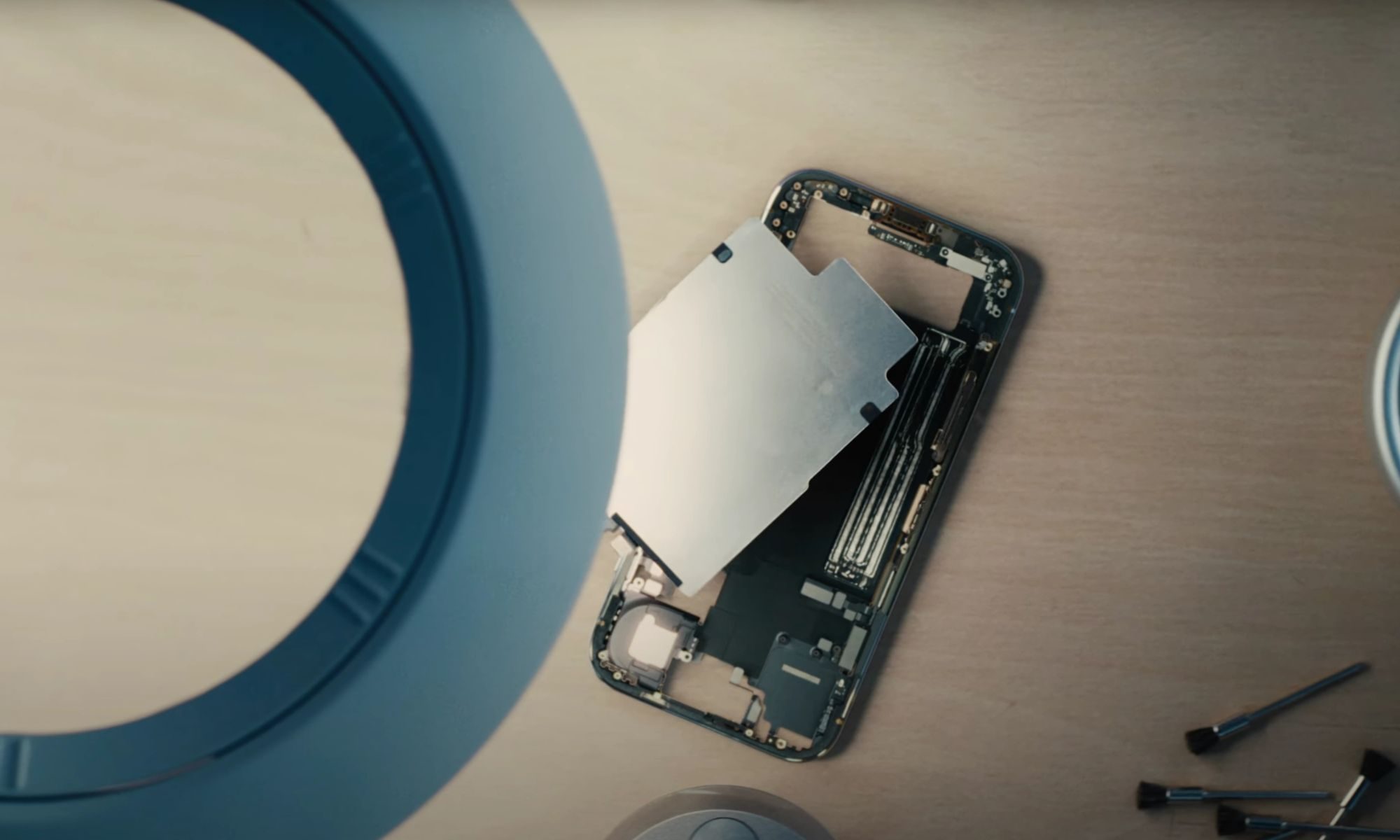
Now, we’re not talking about any modest computer here. We’re talking about the A19 Pro, a silicon that recently popped up on a benchmark platform and beat desktop-grade processors, including Apple’s own M4 and AMD’s Ryzen 9 9950X chip. It’s not surprising, considering Apple fitted the iPad Pro’s silicon inside custom Mac kits to transition from Intel to its in-house M-series processor over half a decade ago.
More importantly, the A19 Pro has a unique architecture where the neural accelerators for AI chores are fused with the GPU cores for an added dash of performance. There’s also plenty of RAM, storage, and the whole networking kit on the mainboard — all of which is crammed inside a pill-shaped hump.
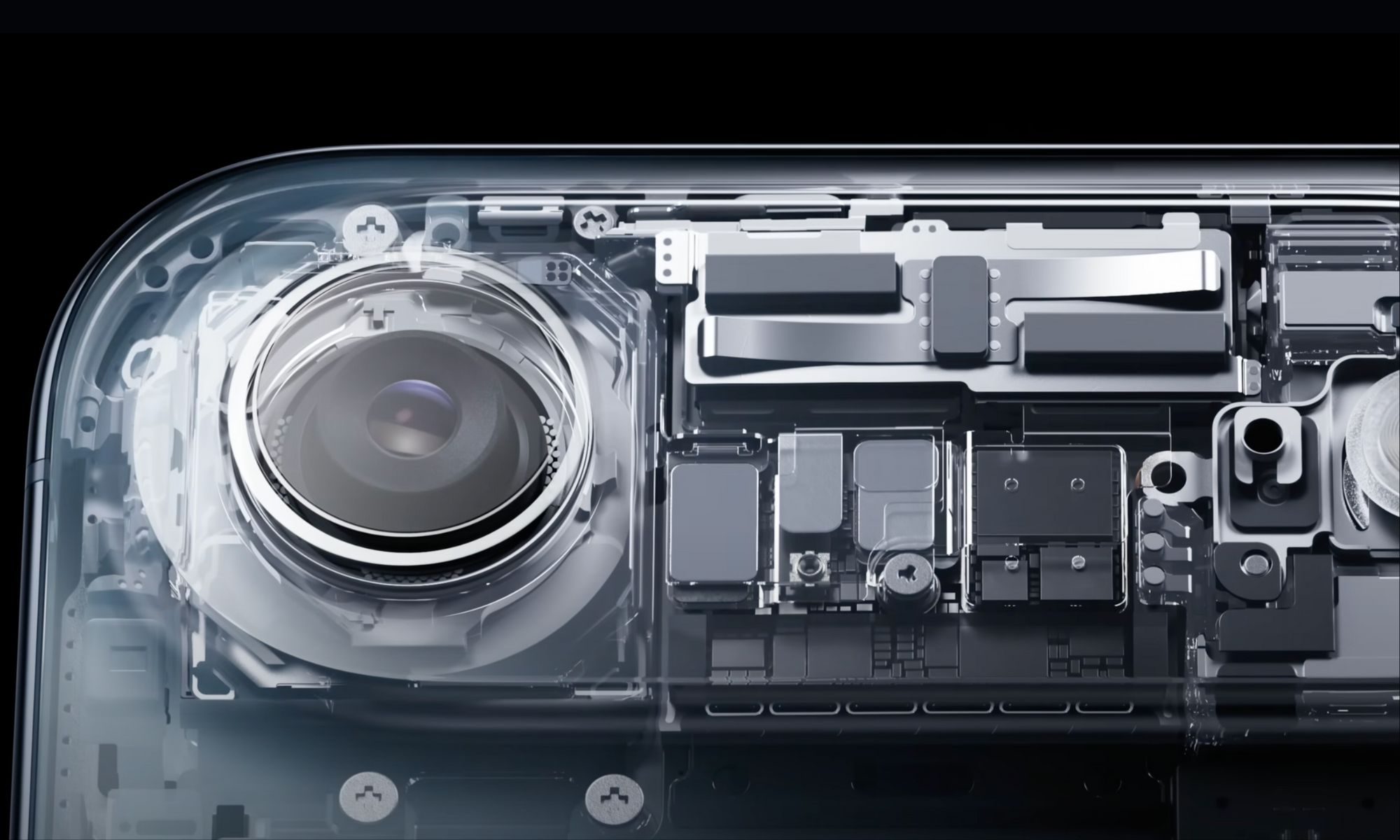
Going by the phone’s height, the camera hump is no taller than 1.5-1.7 millimeters. That’s roughly in the same ballpark as the Meta smart glasses, or those made by the likes of Xreal. With a bit of adjustment, that mainboard can be fitted inside the temple of smart glasses.
Crudely, one can assume that Apple can cram arguably the most powerful, AI-ready processing hardware inside a pair of smart glasses. The iPhone Air is a living testament to that prowess. And while at it, Apple can also make those AI glasses look good. The bigger question is…
What route will Apple take?
Unless you plan to equip a display unit (physical or light-projecting) that opens the doors for a graphical user interface atop an operating system, you don’t really need something as powerful as the A19 Pro inside a pair of smart watches. Even the inherent architecture of the Apple Watch should do fine for such an approach.
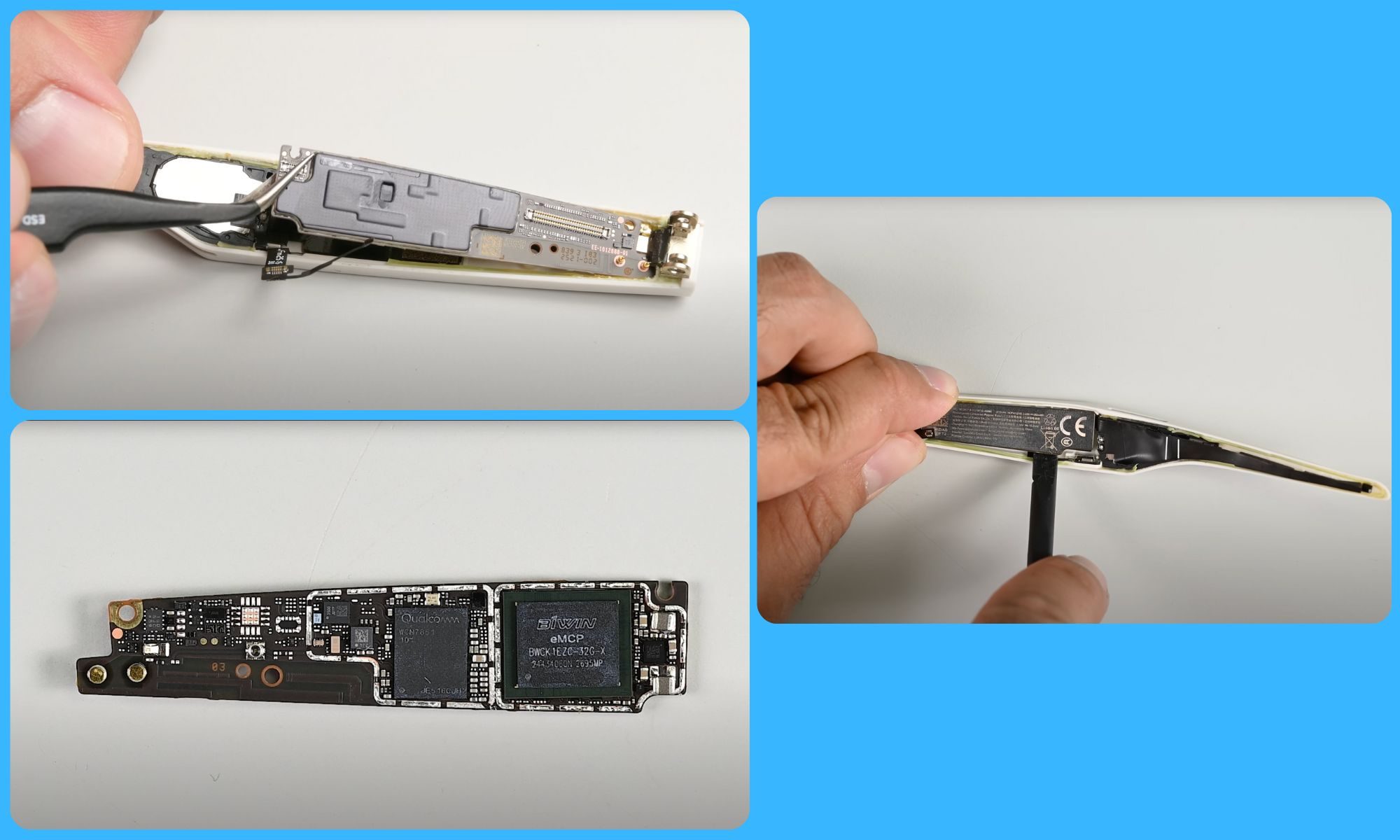
But we’re living in the AI era, which means the needs of a generative AI assistant will require a powerful system. A faster chip means a higher power draw, and that ultimately reduces the per-charge mileage. But at the same time, going light on the processing chops means an experience that may, or may not, surpass what you get with MetaAI atop the Ray-Ban Stories or the Oakley-branded glasses.
Given the current situation, I would argue that MetaAI is the better bet. But Apple commands the most refined and well-connected software ecosystem, on both mobile and desktop, so it won’t be wise to outright undermine what Apple can bring to the table. It seems Apple Intelligence is very much going to be a part of the package, if Bloomberg’s reporting is any indication. Maybe, Apple’s smart glasses are landing just in time for the prophesied AI-boosted Siri overhaul?
The bigger question is whether Apple chooses power over convenience. If Apple chooses the latter, it would be hard (though not impossible) to make the glasses work standalone. Otherwise, they would require a power source, something similar to the battery pack for the Vision Pro.
Alternatively, Apple can make them draw power from an iPhone, a device that will already be in the pocket of every buyer, and with its own beefy chip at hand. Right now, every pair of smart glasses with a built-in physical display unit needs to be hooked to a phone, tablet, computer, or its own pocketable hub.

At this stage, it’s not a question of whether Apple can make a pair of smart glasses. The iPhone Air has already proved that Apple can fit a supremely powerful computing brain in a shell that can be fitted inside the temple of a fancy wayfarer. The real question is just how much firepower Apple wants to serve on a pair of smart glasses.
That would ultimately decide what format the glasses take – standalone or tethered. Or maybe, Apple can go hybrid — limit the capabilities in standalone mode, and go full throttle when connected to an iPhone or Mac. Apple has the whole groundwork ready for smart glasses to offer superior camera chops (imagine 4K or Spatial video capture) and a deeper interplay with “real” operating systems, such as iOS, iPadOS, and macOS. It’s only a matter of time before that happens.
All of it is a tantalizing proposal, one that elicits excitement, albeit with a hefty dose of unpredictability.