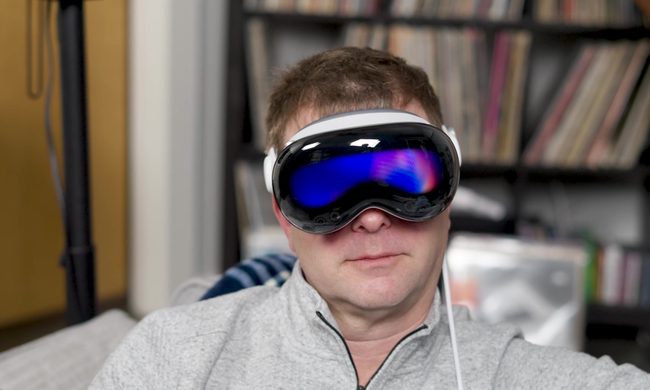
Meta’s Connect conference has long been the company’s showcase for its most ambitious ideas, from VR headsets to AI-powered assistants. This year feels especially significant, as Meta looks to prove that wearables and immersive tech can move beyond niche gadgets and become part of everyday life.
Against that backdrop, Meta is expected to shift gears. Instead of another Quest headset, the spotlight could fall on smart glasses with a built-in display, new partnerships, and a wider push for Horizon OS as a platform beyond Meta’s own hardware. It’s less about a single gadget and more about the beginnings of an ecosystem.
Here are five things to look out for at today’s Connect.
Project Hypernova
The star of this year’s Connect developer conference could be a new pair of smart glasses codenamed Hypernova. Unlike the existing Ray-Ban Meta models, these are expected to feature a tiny heads-up display (HUD) tucked into the right lens. Rather than projecting immersive imagery, the HUD would be used for quick-glance information like time, weather updates, navigation prompts, captions for conversations, or even text answers from Meta’s AI assistant.
It is also expected that users will be able to control these glasses via a wristband using electromyography sensors to read subtle finger movements, cutting down the need for visible buttons. Reports suggest the glasses will weigh around 70 grams, which is heavier than Meta’s Ray-Ban lineup but still practical for everyday wear.
Pricing is rumored to start at around $800, putting Hypernova in a premium but not unreachable category. If accurate, this would represent Meta’s biggest leap yet toward always-on wearable computing.
Oakley Meta Sphaera Glasses
Meta’s partnership with EssilorLuxottica may also deliver another wearable in the form of the Oakley Meta Sphaera glasses. These are rumored to be built for athletes and active users, featuring a centered camera that makes more sense for first-person video capture during activities like cycling.
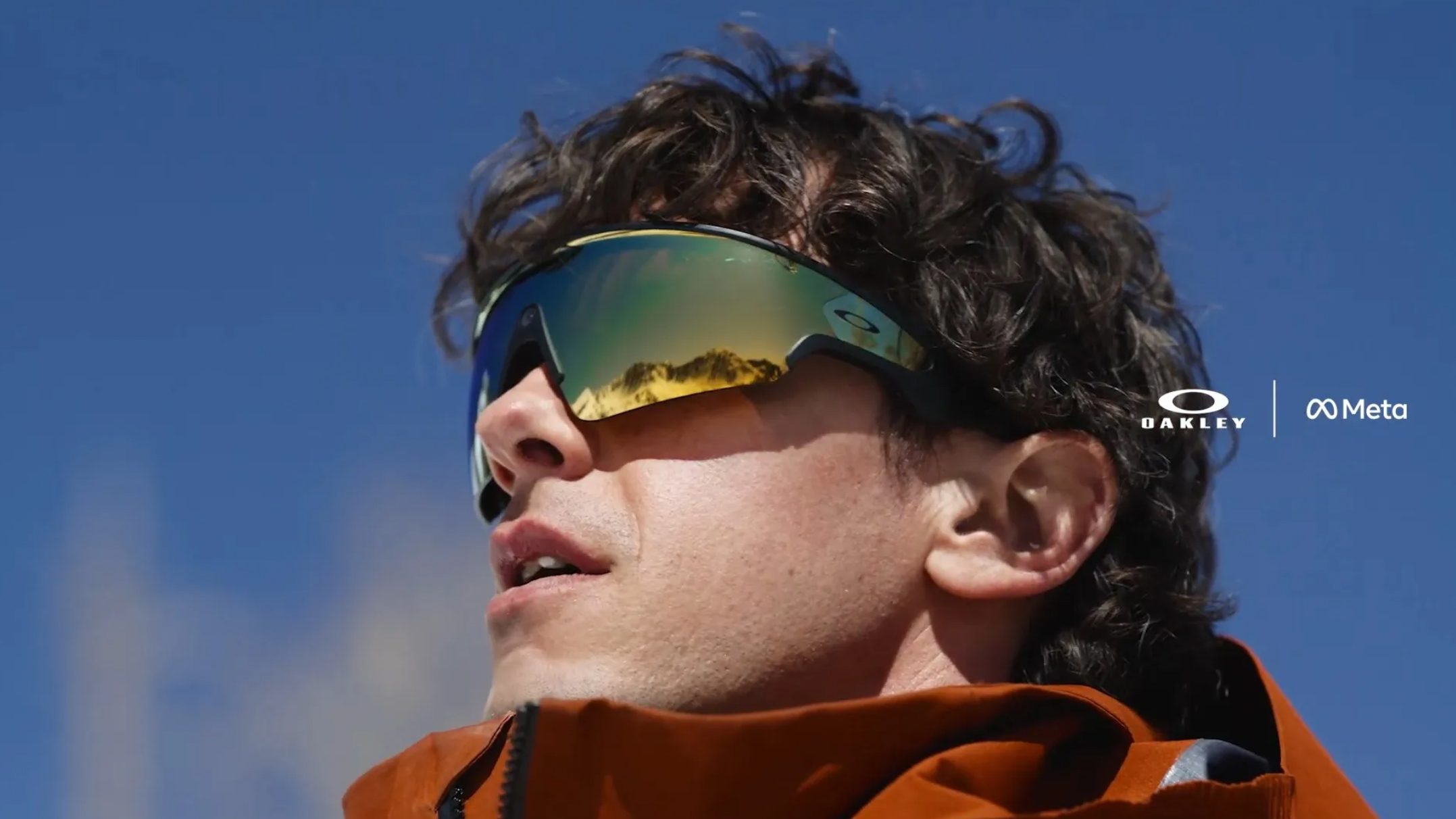
Unlike Hypernova, the focus here may not be on advanced display tech but on durability, lightweight design, and practical recording features. The Sphaera would give Meta a way to reach niche but influential markets in sports and fitness.
New SDK for developers
On the software side, Meta is expected to introduce a new software development kit for smart glasses. The company’s agenda points to sessions dedicated to developer tooling, which could enable third-party apps for devices like Hypernova. Early speculation suggests support for overlays such as live translations, AI-powered captions, and notifications. Given the limits of wearable hardware, much of the heavy lifting may be handled via Meta’s cloud and AI services rather than on the glasses themselves.
For developers, this could be the beginning of a new platform ecosystem similar to the early days of mobile apps, only this time built around lightweight, AI-enabled wearables.
Asus ROG VR headset
While Meta is unlikely to announce a new Quest headset this year, there may still be hardware news. Asus is rumored to be preparing a Republic of Gamers headset powered by Meta’s Horizon OS. The device could include enthusiast-grade features such as advanced tracking, premium displays, and face or eye tracking aimed at gamers who want more performance than a standard Quest offers.
A teaser at Connect would point to Meta’s shift toward opening up its software stack to hardware partners. If Asus does appear on stage, it would be a strong signal that Meta is moving away from a purely first-party approach and toward a broader ecosystem strategy.
Horizon OS Evolves
At the core of that strategy is Horizon OS, the rebranded platform that underpins Meta’s headsets and, increasingly, third-party devices. Expect Meta to show off new features like more flexible home environments, improved handling of 2D apps, and the ability to share windows or apps with other users inside virtual spaces.
The message is clear, Meta wants VR and mixed reality to feel less like isolated experiences and more like extensions of everyday computing. With Asus and Lenovo already confirmed as Horizon OS partners, this year’s updates could give the platform the polish and versatility it needs to compete with Apple’s Vision Pro and other emerging ecosystems.
The 2025 Meta Connect conference kicks off today, September 17, with the main keynote delivered by CEO Mark Zuckerberg. You can catch the main event live at 5PM Pacific Time by registering for Meta’s website, using the Live Stream feature. It will also be accessible via Horizon on Meta Quest headsets and on Facebook via Meta’s official developer page.