1. Home
  2. Computing
  3. Legacy Archives

Logitech Unveils Interactive Speakers

Add as a preferred source on Google
Logitech Unveils Interactive Speakers
Image used with permission by copyright holder

Peripheral and accessory maker Logitech has asked itself one of the primarily existential questions of our technological age—What’s the difference between a set of speakers and a stereo?—pondered carefully, mulled its options, consulted sages, and then stepped forth boldly into the muddy philosophical waters with its answer: the new, sublimely-apellated Logitech Z-10 Interactive 2.0 Speaker System.

Gone are the days when users plugged speakers into their computer systems and heard things. Now, users can see things! And touch things! The new Z-10 speakers feature built-in touch-sensitive controls which enable users to control their music without having to fuss with software applications and juggle around with on-screen menus and controls: users can adjust volume, bass, treble, skip forward and back between tracks, pause, and toggle between four Internet radio presets or playlists. And, what’s more, an integrated backlighted display can show track information from applications like iTunes, MusicMatch, WinAmp, and Windows Media Player, as well as serve as a clock, display sound volume, and show other system information from a user’s PC.

Recommended Videos

“Until now, PC speakers have simply delivered sound,” said Jef Holove, Logitech’s VP of audio product marketing. “The Z-10 speakers aim to incite more of the senses—sight, touch and sound—with their media display, touch-sensitive controls and premium audio. And beyond that, these speakers are simply stunning, adding a level of design sophistication to their breakthrough digital music capabilities.”

(What, no music visualizers for the built-in display?)

The Z-10s feature one-inch tweeters and 3-inch drivers for delivering reaosnably full near-field audio quality, and a built-in bi-amp system with crossover deals with push the low frequencies to the drivers and the high end to the tweeters for clearer sound reproduction.

The Z-10s hook up to the PC with a single USB cable, and sport both a headphone jack and an auxiliary audio input for hooking up a portable audio player or other device.

The Logitech Z-10 Interactive 2.0 Speaker System required Windows XP, and will be available in September in the U.S. and Europe, with a suggested U.S. price of $149.99.

Geoff Duncan
Former Contributor
Geoff Duncan writes, programs, edits, plays music, and delights in making software misbehave. He's probably the only member…
Wispr Flow launches an AI note-taker that works without joining calls
The new Wispr Flow tool called Notetaker creates live transcripts, summaries, and follow-up notes
Page, Text

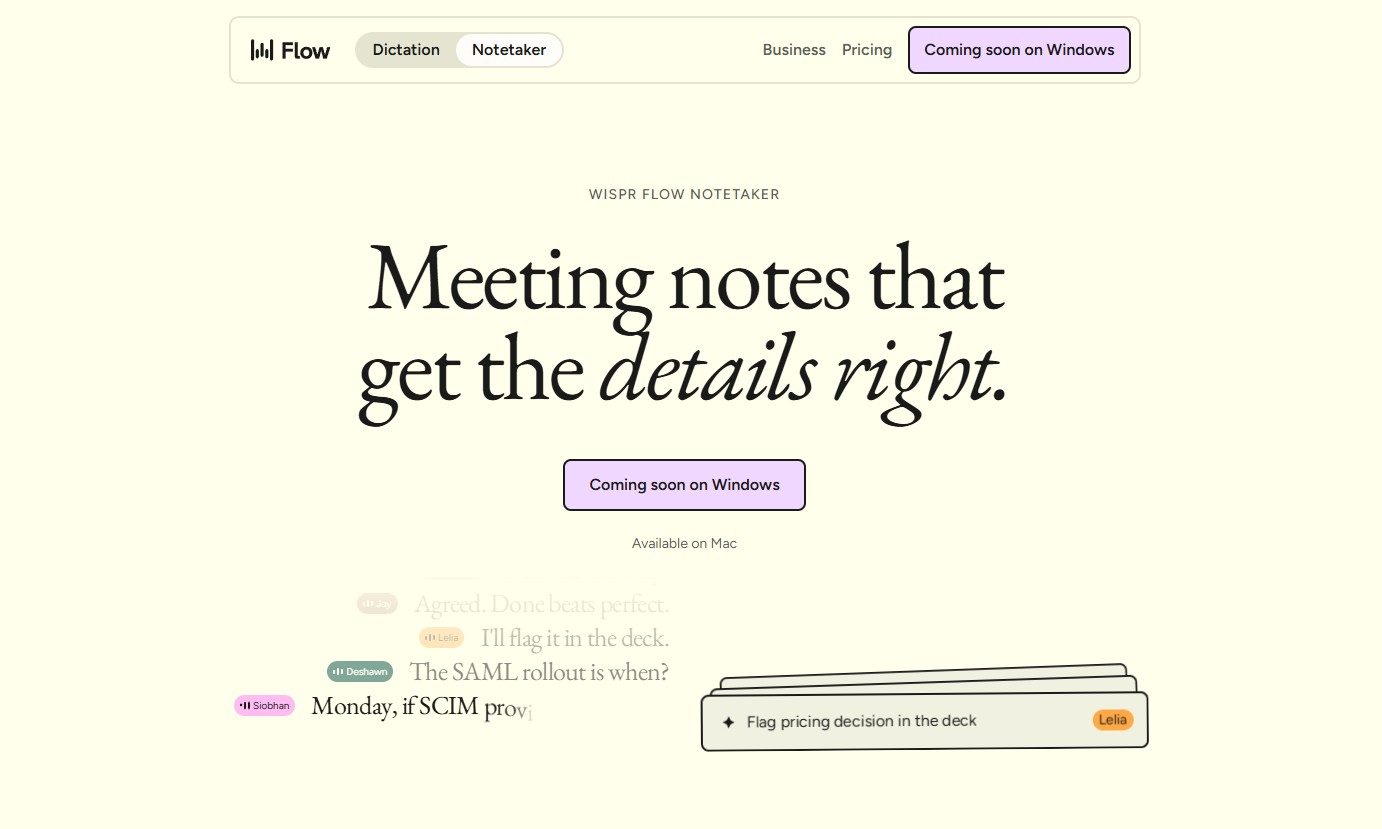
Wispr Flow has launched Notetaker, an AI meeting assistant built into its existing Mac app. It can record conversations, show a live transcript, and prepare notes covering decisions, deadlines, assigned work, and unresolved issues.

Wispr Flow is best known for its dictation tool, which turns spoken thoughts into edited text wherever the user is working. Notetaker takes the company beyond voice typing and applies its transcription technology to meetings, interviews, and in-person conversations.

Read more
Google Assistant finally has a shutdown date, and it’s only weeks away
Google Assistant starts shutting down September 4 as Gemini takes over.
google assistant mobile.

Google Assistant’s long goodbye now has a firm date. Google says it will begin discontinuing the voice assistant on eligible mobile devices on September 4, 2026, according to an email sent to users and shared publicly on Reddit.

The transition may take several weeks, so Assistant won’t vanish from every device at once. Once the change reaches an eligible Android device, Gemini will replace Assistant with no option to switch back.

Read more
ChatGPT Atlas is shutting down and it has some homework left before you migrate
OpenAI is pulling the plug on Atlas, so start packing your bookmarks
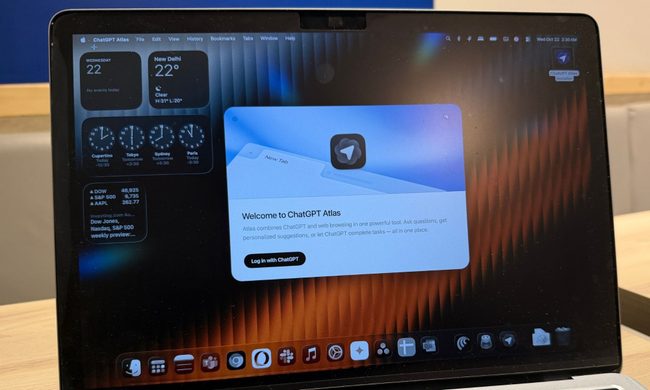
ChatGPT Atlas browser on a MacBook.

ChatGPT Atlas is heading toward an early grave, and anyone still using OpenAI's browser has a small pile of homework to finish before the shutdown. OpenAI has confirmed that Atlas is scheduled to stop working on August 9, 2026.

After that date, the browser may no longer be operational. So users won't be able to browse the web or get access to its agent-powered workflows. Meanwhile, the company is moving those browser-based capabilities into ChatGPT and Codex. But unfortunately, the transition isn't as convenient as users may hope.

Read more