1. Home
  2. Audio / Video
  3. Legacy Archives

Download Your Movies from…Wal-Mart?

Add as a preferred source on Google

For a couple weeks—along with launch rumors of Amazon Unbox and Apple’s iTunes movie download service—a few bubbles floated to the surface that real-world mega-retailer Wal-Mart was considering getting into the digital movie download business. Now, those rumors are being substantiated by reporting in mainstream financial press (including Money and The Financial Times). Apparently Wal-Mart really does want to enter the movie download market toward the end of 2006, and is advertising for a high-level manager to handle the business unit. But can the retailer succeed in the online space, or will the effort meet the same success as its online music efforts?

Wal-Mart has proved enormously successful at marketing traditional DVD media, accounting for more than 40 percent of new DVD sales in the United States, according to the NPD Group. Following the Wal-Mart credo, DVD releases are offered at low retail prices, which draws in consumers and forces Hollywood to treat Wal-Mart as a special case retailer, kowtowing to its wishes so as not to jeopardize DVD sales through the chain. However, Wal-Mart has been in the digital music download business since 2003, offering songs at prices that undercut Apple’s iTunes Music Store—and, yet, Wal-Mart’s digital music business has failed to grow.

Recommended Videos

At this point, it’s unclear how Wal-Mart could distinguish itself from existing movie download services like Movielink and CinemaNow, or newcomers like Amazon Unbox and Apple’s iTunes (coupled early next year with the forthcoming iTV player)—except on price. Rumors have Wal-Mar bundling discounted or free downloads with sales of physical DVD media, but that seems to take the appeal out of downloading music: why would customers go to a physical store, just so they can go home again and spend more hours downloading enormous movie files—especially if they already have the DVD in their hands? Isn’t the whole point of downloadable movies to save customers the hassle of going to a retailer? (Of course, if you’re a regular Wal-Mart customer anyway, perhaps combining physical and digital movie purchases makes sense). But Wal-Mart’s music business has proven that price (and price alone) isn’t enough to create a successful download business—that seems to require the full package of ease of use, necessary functionality, and compelling content. Wal-Mart definitely has the retailing clout to bring major studios to its service, but it remains to be seen whether the retailer can bring anything else to the table.

Geoff Duncan
Former Contributor
Geoff Duncan writes, programs, edits, plays music, and delights in making software misbehave. He's probably the only member…
I desperately want a new classic Walkman, but Sony probably can’t give me one
Tech minimalism is begging for a new Walkman. Though rebuilding it may be close to impossible
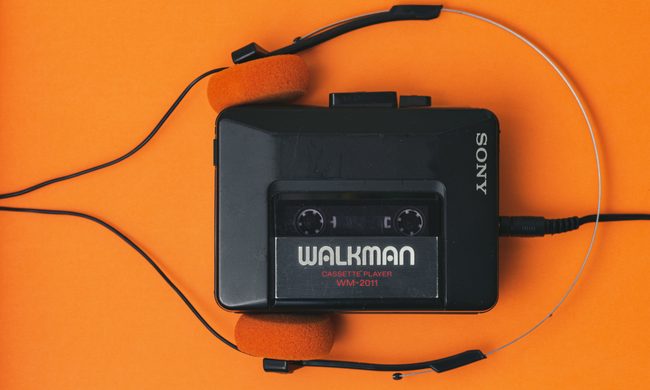
Sony Walkman WM2011

Every few months, another piece of tech that seems obsolete crawls out of a drawer and becomes cool again. The age of minimalism has revived the popularity of iPods among younger buyers. Dumbphones have become an escape hatch from endless notifications. Similarly, digital cameras are dangling from bags again. Physical media keeps attracting people who want something they can actually hold instead of another frustrating subscription.

All of this makes it the perfect time for Sony to bring back the classic Walkman, which was a phenomenon during the 80s and 90s. I would love one. Give me a compact cassette player, physical buttons, and wired headphones. Keep the apps, notifications, and algorithms that shape your taste of music. No more AI assistants or personalzied feeds, just you and your Walkman. There is only one problem though. Recreating the Walkman that people love and remember, would be far harder than putting an old design back into production.

Read more
Proton reveals how smart TVs track you and the escape situation is pretty grim 
Modern smart TVs fingerprint your screen content at the chipset level.
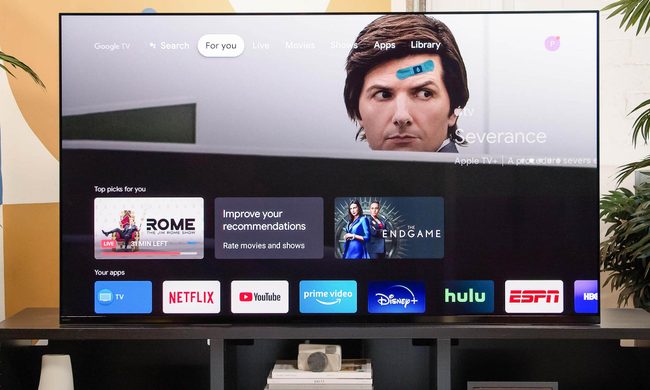
Google TV applications on the Sony A95K TV.

Your smart TV may know far more about your viewing habits than you realize, even if you rarely use its smart features. In a new privacy explainer, Proton warns that many modern TVs quietly collect data about everything displayed on the screen and share it with manufacturers, advertisers, and analytics companies.

The worrying part is that escaping this tracking is becoming increasingly difficult because many privacy controls are buried deep in settings or enabled by default. Proton argues that buying a smart TV today often means accepting a level of surveillance that most people never knowingly signed up for.

Read more
LG is cracking down on smart TV apps that quietly turn your TV into a secret proxy
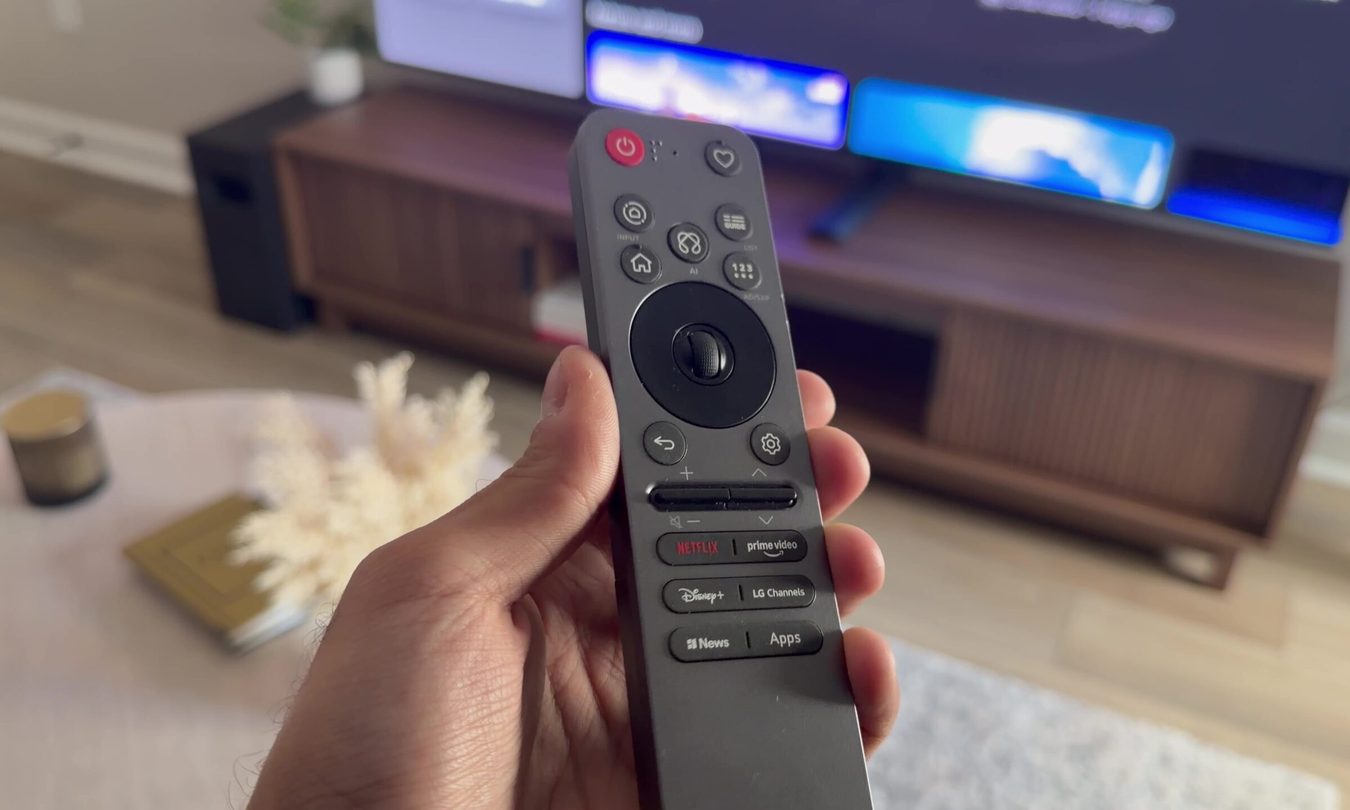
LG OLED Settings

If you own an LG smart TV, there's a chance one of your harmless-looking apps has been moonlighting as an internet relay for someone else's traffic. According to a report from KrebsOnSecurity, LG says it's finally stepping in to stop this menace. This week, the company confirmed it plans to suspend any webOS app that turns a TV into what's called a residential proxy node.

The move follows a report from security firm Spur, which found that more than 42 percent of apps on LG's webOS store include SDKs that quietly reroute internet traffic through your TV, indefinitely. Samsung isn't spared either, with over a quarter of Tizen apps carrying similar code.

Read more