1. Home
  2. Computing
  3. Legacy Archives

RealNetworks Enters RealTime News Arena

Add as a preferred source on Google

RealNetworks is taking a step out of the streaming media and music businesses to launch RealTime, a new browser toolbar/screensaver combination which automatically draws personalized news, feeds, and images to users’ desktops. RealTime competes with toolbar offersings from Yahoo and Google (as well as built-in tools Microsoft is increasingly bundling into Internet Explorer and the Windows operating system) and marks the first time RealNetworks has attempted to compete in the news delivery business.

“We’ve designed an easy-to-use and visually appealing way to have personalized news and information delivered right to desktops,” said Jeff Chasen, Real’s vice president of media software, in a release. “With people’s busy lives, many don’t have time to follow the topics which interest them.”

Recommended Videos

RealTime enables users to set up subscriptions to stock and weather information—plus news feeds, blogs, photostreams, and anything else with an RSS feed;mdash;and RealTime then draws the information in to user’s desktops via a built-in screensaver which rotates through the received headphones, photos, and images. Clicking on any of the items brings up the appropriate article, image, or item. RealNetworks has set up partnerships with Reuters, the Associated Press, SmartMoney, Feedster, and other sources to help users get started with their feed setups. Users can personalize the product by configuring preferences through the Realtime Web site, and provides editorial recommendations based on the data streaming to user’s desktops.

The RealTime beta is available for Windows as a free download; RealNetworks hasn’t provided any other system requirement information, although they have set up a product blog to gather comments from users.

If RealTime sounds eerily familiar, that might be because its news-as-Internet-screensaver model was orginally pioneered by PointCast, the first major success—and first major blowout—of so-called “oush technology” during the 1990’s Internet boom.

Geoff Duncan
Former Contributor
Geoff Duncan writes, programs, edits, plays music, and delights in making software misbehave. He's probably the only member…
Wispr Flow launches an AI note-taker that works without joining calls
The new Wispr Flow tool called Notetaker creates live transcripts, summaries, and follow-up notes
Page, Text

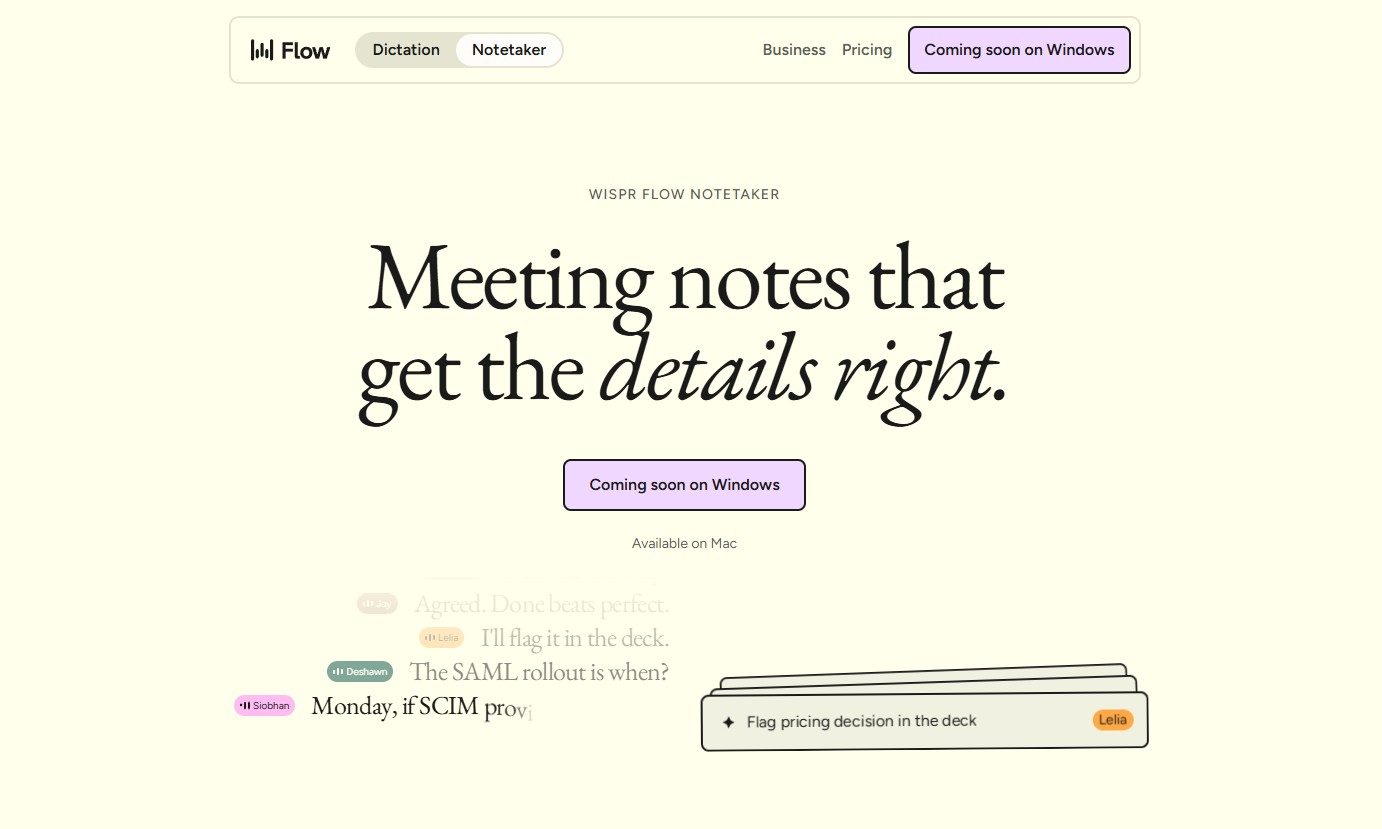
Wispr Flow has launched Notetaker, an AI meeting assistant built into its existing Mac app. It can record conversations, show a live transcript, and prepare notes covering decisions, deadlines, assigned work, and unresolved issues.

Wispr Flow is best known for its dictation tool, which turns spoken thoughts into edited text wherever the user is working. Notetaker takes the company beyond voice typing and applies its transcription technology to meetings, interviews, and in-person conversations.

Read more
Google Assistant finally has a shutdown date, and it’s only weeks away
Google Assistant starts shutting down September 4 as Gemini takes over.
google assistant mobile.

Google Assistant’s long goodbye now has a firm date. Google says it will begin discontinuing the voice assistant on eligible mobile devices on September 4, 2026, according to an email sent to users and shared publicly on Reddit.

The transition may take several weeks, so Assistant won’t vanish from every device at once. Once the change reaches an eligible Android device, Gemini will replace Assistant with no option to switch back.

Read more
ChatGPT Atlas is shutting down and it has some homework left before you migrate
OpenAI is pulling the plug on Atlas, so start packing your bookmarks
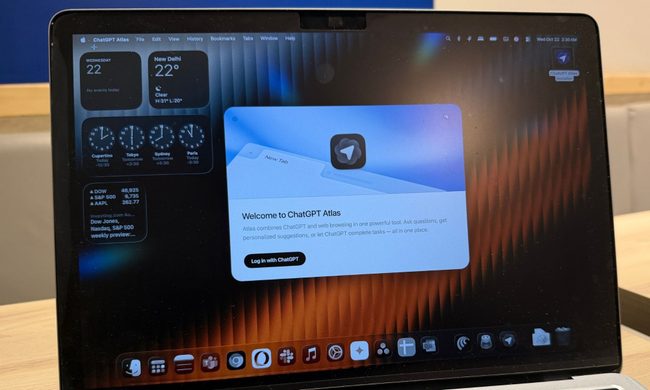
ChatGPT Atlas browser on a MacBook.

ChatGPT Atlas is heading toward an early grave, and anyone still using OpenAI's browser has a small pile of homework to finish before the shutdown. OpenAI has confirmed that Atlas is scheduled to stop working on August 9, 2026.

After that date, the browser may no longer be operational. So users won't be able to browse the web or get access to its agent-powered workflows. Meanwhile, the company is moving those browser-based capabilities into ChatGPT and Codex. But unfortunately, the transition isn't as convenient as users may hope.

Read more