1. Home
  2. Audio / Video
  3. Legacy Archives

Monopoly anyone? Comcast and Charter may team up to buy ailing Time Warner Cable

Add as a preferred source on Google

Six months ago, rumors began to swirl that cable TV operators might consolidate in an effort to fight back against the increasing costs content providers were demanding. At the time, it was speculated that Time Warner Cable (TWC) might lead the charge. But it appeaers the tables have turned. Now the question of the hour is: who’s going to buy TWC; Charter, or Comcast? According to a new report by Bloomberg, maybe both.

The entangled tale of the possible buyout has moved very quickly over the last few days. It began Thursday when The Wall Street Journal reported that rural cable provider Charter Communications was advancing on a proposed plan from last June to secure funding for a possible bid for TWC. The report sent stocks rising Friday, both for TWC and Charter. 

Recommended Videos

The following day Comcast subsidiary CNBC reported that the nation’s largest cable provider was checking with FCC and anti-trust advisers about its own bid for Time Warner, which would add around 12 million new customers to its already massive stock of 22 million subscribers, giving the company an unprecedented wealth of power and influence over the industry at large. The report also cited sources claiming that Time Warner considered Comcast a more preferable buyer than Charter.

Finally, Bloomberg’s report confirmed that talks between Charter and Comcast have emerged to strategize about a possible joint acquisition of Time Warner, doling out the pieces between the two to bolster each company’s coverage and subscriber bases. The news also sent stocks rising for Comcast Friday, making it a pretty good day to be in the cable business for investors.

The alliance could potentially allow Comcast to avoid the ire of both the Justice Department and the FCC over anti-trust concerns, though whether or not even a tandem merger would be given the green light is still unclear. As for Charter, Comcast’s partnership would allow the $28 billion company to take on less financial risk in raising the estimated $61 billion needed to acquire TWC.

Time Warner is currently the second largest Multi-system operator in the nation, but has been hemorrhaging subscribers recently due to a month-long showdown with CBS, along with other purported misfires by management. According to MultiChannel News, TWC lost a record 306,000 residential video subscribers in the third quarter. That makes the company weak, and its assets are an alluring prize that has apparently set the other MSO’s circling.

However the deal shakes out, the possible buyout and further consolidation of the cable industry may be good for business, but it could be bad for consumers, especially if Comcast is in the mix. The potential merging of the two biggest cable companies in the country has raised real concern from consumer analysts, who fear the move would give Comcast far too much power.

For now, it’s all still up in the air, and there’s no guarantee anything will proceed. But any deal for Time Warner is sure to have serious repercussions in the industry. We’ll keep an eye on this evolving story as it continues to develop, so stay tuned.

Ryan Waniata
Former Home Theater & Entertainment Editor
Ryan Waniata is a multi-year veteran of the digital media industry, a lover of all things tech, audio, and TV, and a…
I desperately want a new classic Walkman, but Sony probably can’t give me one
Tech minimalism is begging for a new Walkman. Though rebuilding it may be close to impossible
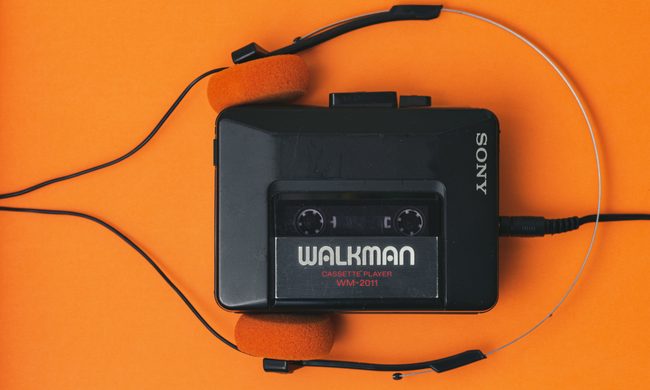
Sony Walkman WM2011

Every few months, another piece of tech that seems obsolete crawls out of a drawer and becomes cool again. The age of minimalism has revived the popularity of iPods among younger buyers. Dumbphones have become an escape hatch from endless notifications. Similarly, digital cameras are dangling from bags again. Physical media keeps attracting people who want something they can actually hold instead of another frustrating subscription.

All of this makes it the perfect time for Sony to bring back the classic Walkman, which was a phenomenon during the 80s and 90s. I would love one. Give me a compact cassette player, physical buttons, and wired headphones. Keep the apps, notifications, and algorithms that shape your taste of music. No more AI assistants or personalzied feeds, just you and your Walkman. There is only one problem though. Recreating the Walkman that people love and remember, would be far harder than putting an old design back into production.

Read more
Proton reveals how smart TVs track you and the escape situation is pretty grim 
Modern smart TVs fingerprint your screen content at the chipset level.
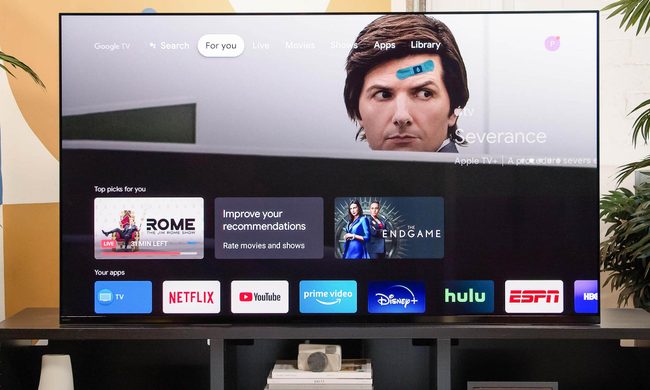
Google TV applications on the Sony A95K TV.

Your smart TV may know far more about your viewing habits than you realize, even if you rarely use its smart features. In a new privacy explainer, Proton warns that many modern TVs quietly collect data about everything displayed on the screen and share it with manufacturers, advertisers, and analytics companies.

The worrying part is that escaping this tracking is becoming increasingly difficult because many privacy controls are buried deep in settings or enabled by default. Proton argues that buying a smart TV today often means accepting a level of surveillance that most people never knowingly signed up for.

Read more
LG is cracking down on smart TV apps that quietly turn your TV into a secret proxy
LG OLED Settings

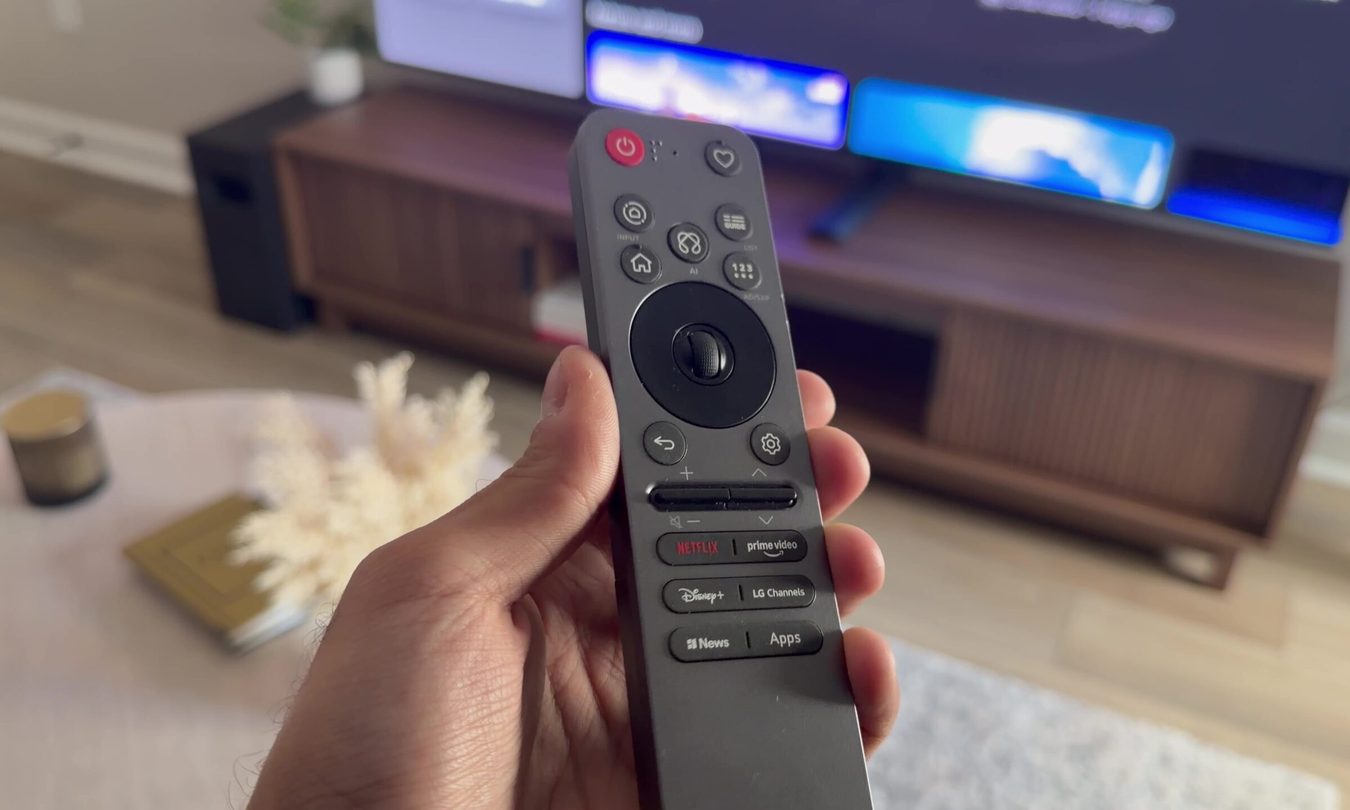
If you own an LG smart TV, there's a chance one of your harmless-looking apps has been moonlighting as an internet relay for someone else's traffic. According to a report from KrebsOnSecurity, LG says it's finally stepping in to stop this menace. This week, the company confirmed it plans to suspend any webOS app that turns a TV into what's called a residential proxy node.

The move follows a report from security firm Spur, which found that more than 42 percent of apps on LG's webOS store include SDKs that quietly reroute internet traffic through your TV, indefinitely. Samsung isn't spared either, with over a quarter of Tizen apps carrying similar code.

Read more