The personal computer was and is a revolutionary, life-changing piece of technology that can make numerous tasks easier, more convenient and less expensive than before. You might think, given their capabilities, that computers would simply leap off the shelves into the arms of happy, willing consumers, but that’s hasn’t been proven to be the case. The PC’s immense potential can also come with intimidating complexity, leaving many potential buyers confused about what exactly they’re being sold.
Such a problem is exactly what marketing is for, and computing has produced success stories like Apple and Intel, both of which have managed to create a recognizable brand despite the fact that they sell complex products. Other companies, however, have not proven as capable – leading to misleading, strange or downright boring names.
Texas Instruments TI-99/4
Texas Instruments, founded in 1930, was already making calculators, transistor radios and other electronics when the PC revolution hit, putting it in the perfect position to launch a personal computer. There was just one problem; no one in the company knew how to market anything.
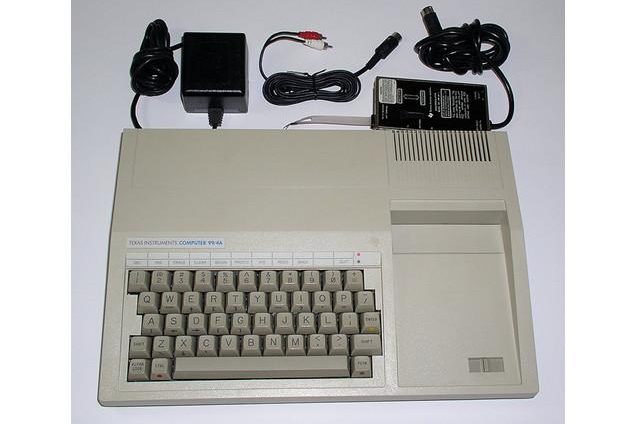
This led to the Texas Instruments TI-99/4, a computer with a name as boring as it was uninformative. Casual onlookers could be forgiven for assuming it was nothing more than an oversized calculator, but even geeks willing to take a closer look found the name revealed nothing about the computer’s capabilities. Completely oblivious to this problem, Texas Instruments followed up the TI-99/4 with the equally uninspiring TI-99/4A which, despite its minor change in name, was a significant upgrade.
Though initially somewhat successful due to a lack of competition, the TI-99/4A was nearly forgotten by the end of 1981, the year it launched. The failure of its flagship computers forced Texas Instruments out of the PC business by October of 1983.
Chumby
In 2006, a unique and unprecedented computing device hit the market. Powered by an ARM processor, packing a touchscreen, and running Linux, it seemed like the perfect toy for a geek to tinker with. There was a big problem though; it was called the Chumby.
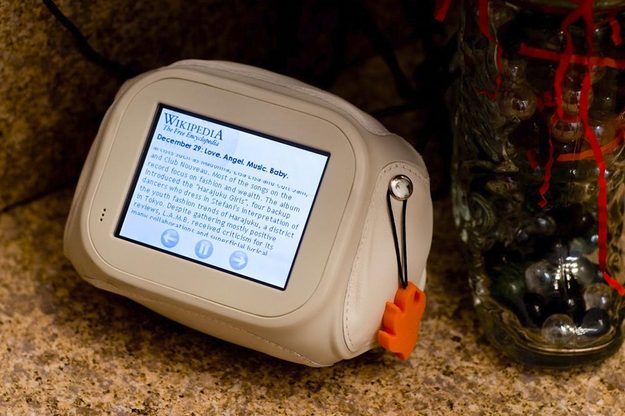
However, that wasn’t the only problem. Buggy software, an unresponsive touchscreen and a strange form-factor also kept this proto-touchscreen PC and geeky night-stand toy from reaching a broad audience. But seriously – Chumby? The name draws comparisons to raw meat thrown into the ocean to attract sharks, pudgy bellies and slang used by bros to describe who knows what. None of this made consumers scream “take my money!” Chumby went belly-up in 2011.
NZXT Panzerbox
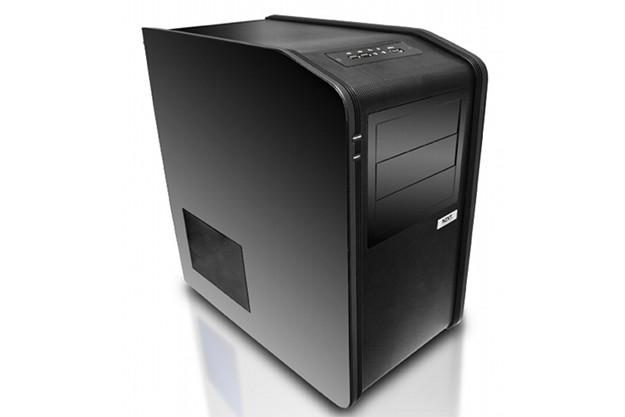
While many names are unfortunate or misleading, there are some that just make us scratch our heads and ask “what does that even mean?” Such is the case with the NZXT Panzerbox, a squat computer case that was released in 2009. Is it a box full of Panzers? Is it supposed to be like the German tank of the same name? Is it going to blitzkrieg the opposition?
Apparently no one could figure it out, because the the case was abandoned shortly after its release despite some impressive reviews from enthusiast websites like TechPowerUp. Rest well, Panzerbox – whatever you were supposed to mean.
G.Skill Ripjaws RAM
The enthusiast RAM market is filled with hilarious marketing designed to conceal the fact that RAM speed no longer has much impact on how well a PC game runs. Names like Sniper, HyperX and Xtreem are common. But the crown jewel of the market’s absurdity has to go to G.Skill’s Ripjaws series.
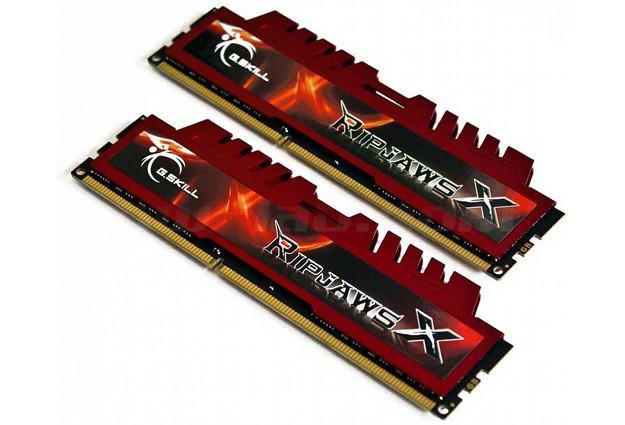
The name, which is clearly trying too hard to sound badass, could be appropriate for a low-budget shark movie or a cannibal wrestler. Unfortunately for G.Skill, there’s just one thing that actually shares the Ripjaws name, and it’s a “morph” from the popular Cartoon Network show Ben10. We doubt that was intentional – but it kinda robs Ripjaws of any bad-assery the name could claim, right?
HP Envy
The release of the MacBook in 2006 put Windows notebook manufacturers to shame, and each struggled to reach the high bar of quality Apple had set. Hewlett-Packard’s solution was to acquire; the company purchased premium PC boutique Voodoo in 2006. This led to the strangely named Voodoo Envy which, after a year, became just the Envy.

Envy is not a bad name by itself, but it implies a level of quality that other manufactures can’t match, and HP’s difficulty maintaining that standard has become emblematic of the issues which plague the PC industry as a whole. After the release of several strong competitors from 2008 through 2010, the brand has gradually gone down-market, making the name a mockery of itself. Consumers can now buy a 15-inch Envy notebook with an AMD quad-core for just $499.
Here’s a hint, HP; nobody’s envious of that.
Thermaltake Spedo
Speaking of envy, we don’t have any for the folks who work in the marketing department of a company that makes PC enclosures. The job literally involves thinking up new, exciting names for metal boxes of various sizes that all fill roughly the same role. You might think they’d give up and just use model numbers, but many case manufacturers insist on unique product names.
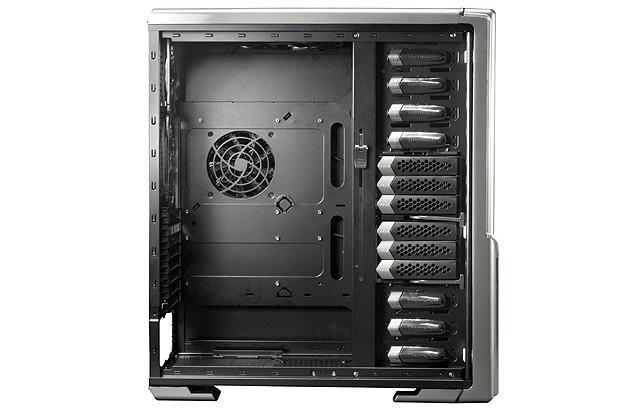
But still – Spedo? Really? You’d think that Thermaltake’s marketers could come up with a name that doesn’t draw obvious comparisons to a certain brand of banana hammock. There’s even a model called the “Spedo Advanced Package,” which makes us wonder if the company is just having a laugh.
Mattel Barbie PC / Hot Wheels PC
Have you ever sat at your computer and realized the only thing your computing experience lacked is a marketing tie-in with a popular toy franchise? Well, you’re in luck! Mattel made two computers to serve your very specific needs; the Barbie PC and the Hot Wheels PC.
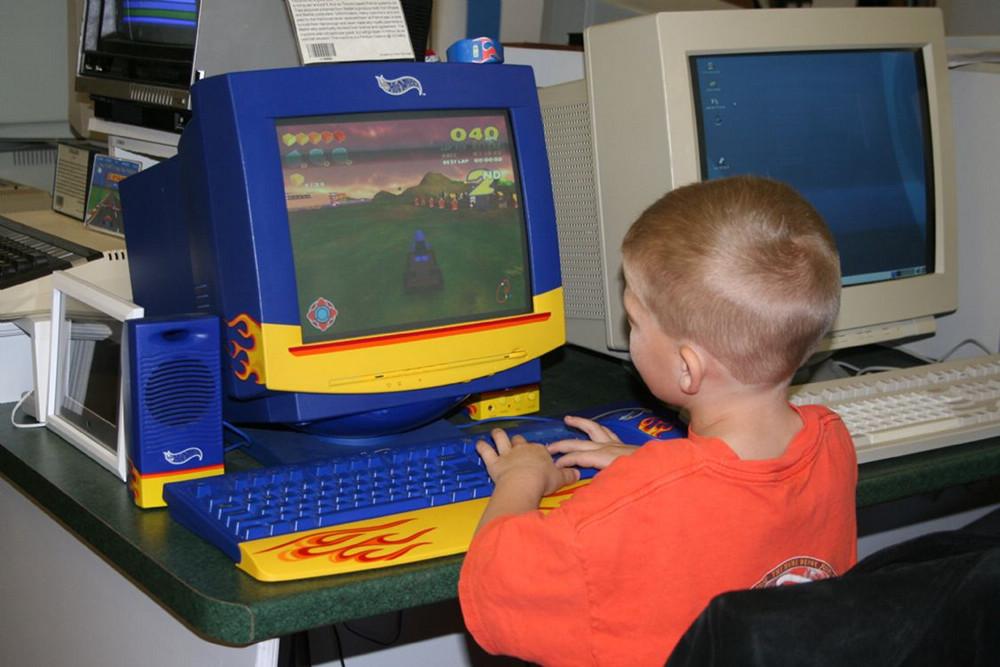
Released in 1999, each computer came with its own brand-appropriate exterior; pink frills for the Barbie version and blue paint with orange flames for the Hot Wheels edition. Otherwise, though, the pair were disappointing and mundane, featuring 333 MHz Celeron processors (hardly cutting-edge tech even in 1999) and a 15-inch monitor for $599.
In other words, these toy-branded PCs were toys themselves. Parents weren’t eager to buy junior an anemic PC painted a funny color, and both models were quickly abandoned.
Bigfoot Killer Network Interface Card
Just saying the words “network card” in public is certain to make everyone within ten yards feel a bit drowsy. So when Bigfoot came up with a network card designed to reduce game latency, it decided to go for broke and just call it the Killer.
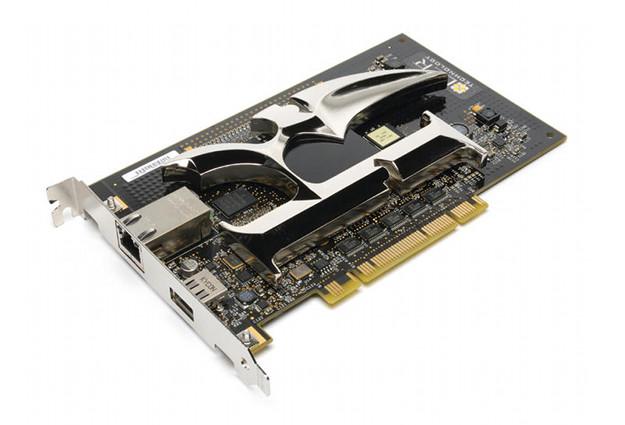
That’s understandable; it probably was a better idea than calling it the NXSFIS/4C, which is what Texas Instruments would have done. On the other hand, though, the effect of bringing up the “Bigfoot Killer Network Interface Card” in casual conversation isn’t desirable, either. Bystanders don’t go to sleep; they start backing away. Slowly. While avoiding eye contact.
CyberPower Zeus Hercules
Boutique PC maker Cyberpower is responsible for some of the world’s most ridiculous computer names. Shoppers can choose between the likes of the Fangbook Evo, the Power Mega III and the Pro Gamer FTW. The company’s names are so bad that we can’t help but wonder if they’re the result of an obscure name generator collecting dust in some far corner of the Internet. Even for this company, however, there’s one name that stands out as particularly inane – the Zeus Hercules.
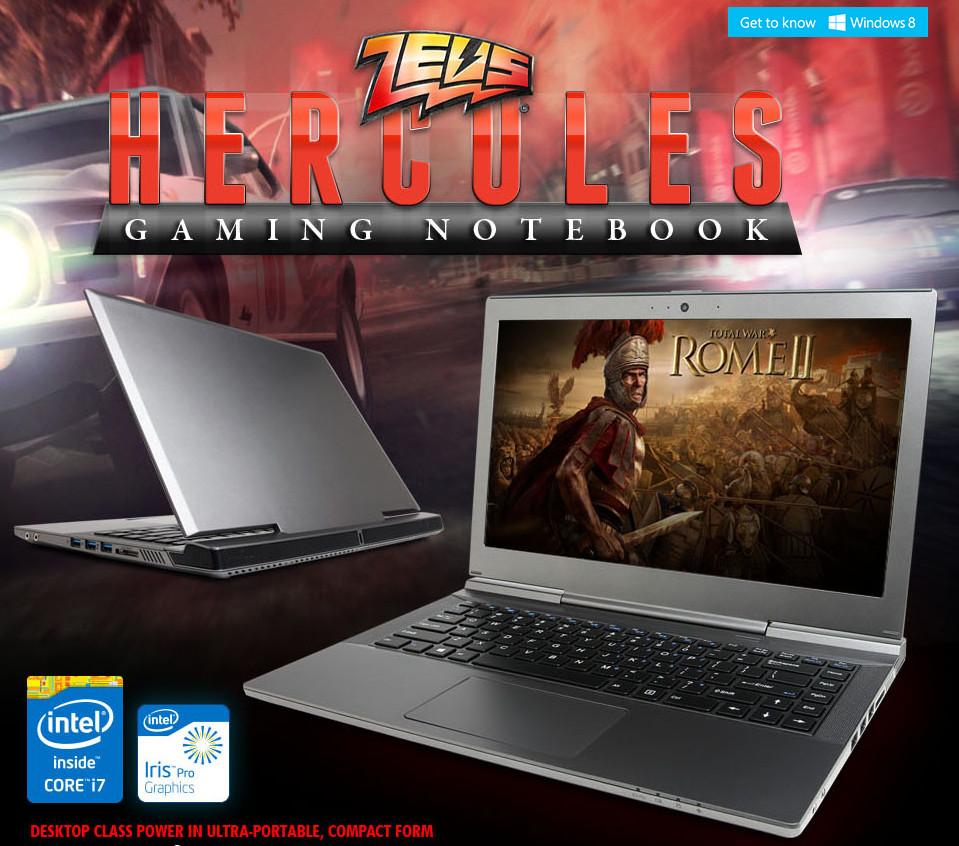
The thinking is obvious. Zeus is awesome. Hercules is also pretty badass. Slap them together and BAM! – maximum awesomesauce! Little details, like the fact that Hercules is the son of Zeus and slapping the names together doesn’t make much sense, aren’t the kind of thing Cyberpower can be bothered with. They’re too busy working on their next masterpiece; the Dionysus Athena.
Any computer named after a person
Despite the “personal” in the PC’s acronym, computing has always struggled to connect with the average consumer. Numerous companies have, at different points in time, come up with an obvious solution; give the computer a name. Famous examples include the Apple Lisa, the Coleco Adam, and the 3com Audrey.

Just one problem; all these devices failed, and failed hard. To suggest that a curse hangs over computers that try to act like they’re people would be superstitious, so perhaps the problem lies with the logic that leads to such names.
The Apple Lisa, Coleco Adam and 3com Audrey were all too clever for their own good. Each attempted to innovate in some significant way, and each failed because of poor execution. So, if you’re about to make a PC named after a person, maybe take a second to reflect on whether that’s as great an idea as you think.
Image Credit: Moparx/Flickr, Thomas Stromberg/Picasa, Daniel Yu/Flickr, The Personal Computer Museum