1. Home
  2. Emerging Tech
  3. Legacy Archives

Microsoft’s J. Allard Takes Over Zune

Add as a preferred source on Google
Microsoft
Image used with permission by copyright holder

Bryan Lee, the Microsoft executive most recently in charge of business development for the company’s Zune portable media player, is retiring to “pursue personal interests.” Taking over the business development work for the Zune brand will be J. Allard, the man widely credited with building Microsoft’s Xbox brand and Xbox Live services into a serious player in the video game console market.

Lee came to Microsoft in 2000, following a long stint at Sony Pictures Entertainment handling contract negotiations. Both Lee and Allard had hands in creating both the Xbox and the Zune, and Lee led most of the negotiations with studios, music distributors, and other content providers for licensing Zune content: including the now infamous dollar-per-player royalty being paid to Universal Music.

Recommended Videos

Microsoft says Lee’s retirement does not indicate any dissatisfaction with his management of the the Zune business, but it’s certain that J. Allard will face significant challenges trying to built the Zune brand. The initial Zune player has been widely criticized for its crippled Wi-Fi sharing capability and for abandoning the PlaysForSure compatibility standard Microsoft held out to music player partners wanting to use the company’s digital rights management technology. But, as with the Xbox, Microsoft says it’s taking a long-term view of the Zune, looking to establish and grow a family of devices and services which, over time, will eventually challenge Apple, the iPod, and iTunes for the digital media market. Although Microsoft certainly has the financial resources to produce Zune products and services for an indefinite period of time without success in the marketplace, shareholders and industry watchers may take a dim view of Microsoft pouring money into a project over the long term without at least some signs of momentum—so Allard may have his work cut out for him.

Geoff Duncan
Former Contributor
Geoff Duncan writes, programs, edits, plays music, and delights in making software misbehave. He's probably the only member…
Google just canceled its AI Studio mobile app, and it’s not all bad news
Logo, Symbol, Disk

Google AI Studio was on track to make its way to Android and iPhone, giving developers and AI enthusiasts a dedicated place to build prompts and experiment with Google's latest models from their phones.

That's no longer happening. In a post shared by the official Google AI Studio account on X, Google confirmed that it's canceling the standalone AI Studio mobile app before launch. The announcement comes despite the company saying nearly 800,000 people had already pre-ordered the app across iOS and Android.

Read more
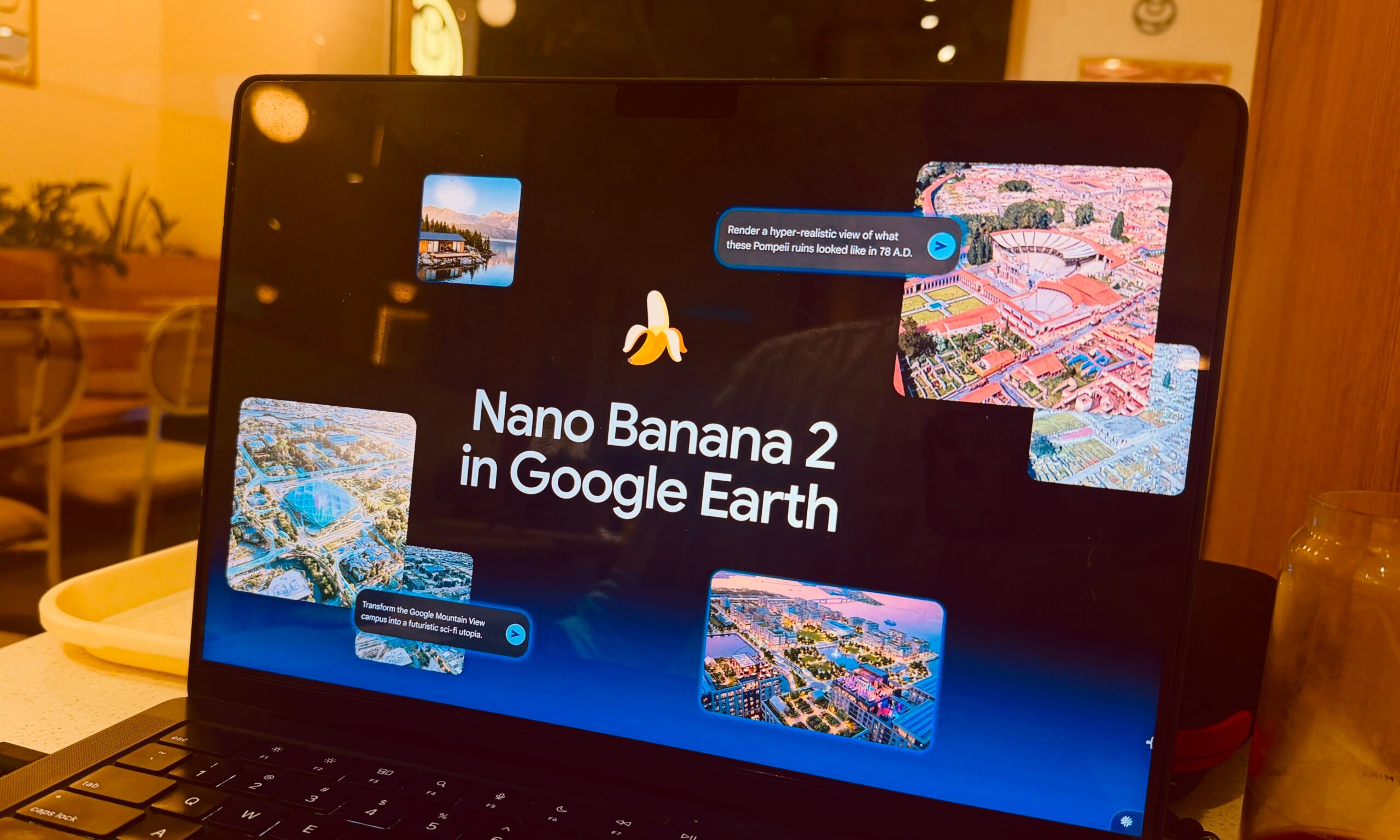
Google Earth’s AI misadventure lasted only a day. It was a tale of dangerous ignorance.
Nuclear reactors, tanks, and historical destruction on a life-like satellite map? Yeah, that's bad.
Nano Banana AI image generator representation.

Technology behemoths are clearly not reading the room, or they are just moving faster than they should when it comes to AI deployment. Google has already stuffed its Gemini AI in every corner of its software stack, from Android to daily productivity tools like Gmail that are used by hundreds of millions of users every day. AI is everywhere. Not all of it is bad, mind you. But in a few places, it just feels forced.

In its latest AI-fication experiment, the company targeted Google Earth. The idea was to let the audience use its Nano Banana 2 AI image generator and make images that can be placed on the map view. On paper, it's a cool idea. What would the Colosseum of Rome look like in your urban neighborhood? Yeah, fun stuff like that.

Read more
Google’s new AI gives robots better balance, smarter hands, and teamwork capabilities
Google just made robots a lot less clumsy and a lot more helpful.
Gemini robotics 2.0

Google DeepMind just brought sci-fi robots closer to reality, and it is very exciting. Building on its original Gemini Robotics model, the company has introduced Gemini Robotics 2, an AI system designed to help robots think, move, and even work together. Unlike most robots today, which rely on pre-programmed routines or someone controlling them remotely, this new system lets robots figure things out on their own when situations get unpredictable.

Can robots finally handle whole-body tasks?

Read more