  1. Home
  2. Phones
  3. News

YouTube adds dedicated hub for teens to find reliable mental health content

A safer scroll for young minds as YouTube brings mental health and wellness into focus.

Add as a preferred source on Google
youtube-mental-health-hub-for-teenagers
BM Amaro / Pexels

What’s happened? YouTube is launching a new teen-focused mental health hub with a dedicated content section for young users looking for reliable wellbeing resources. This space will host credible, age-appropriate resources to help young users deal with stress, anxiety, and other mental health challenges.

  • Starting in the U.S., UK, Canada, Mexico, France, and Australia, teens will see a curated shelf of videos on topics like anxiety, depression, ADHD, and eating disorders
  • After Google, YouTube is the most sought-after platform by teens who are seeking mental health help and tackling eating disorders
  • YouTube has partnered with experts from The Jed Foundation, National Alliance for Eating Disorders, and Child Mind Institute to curate the content
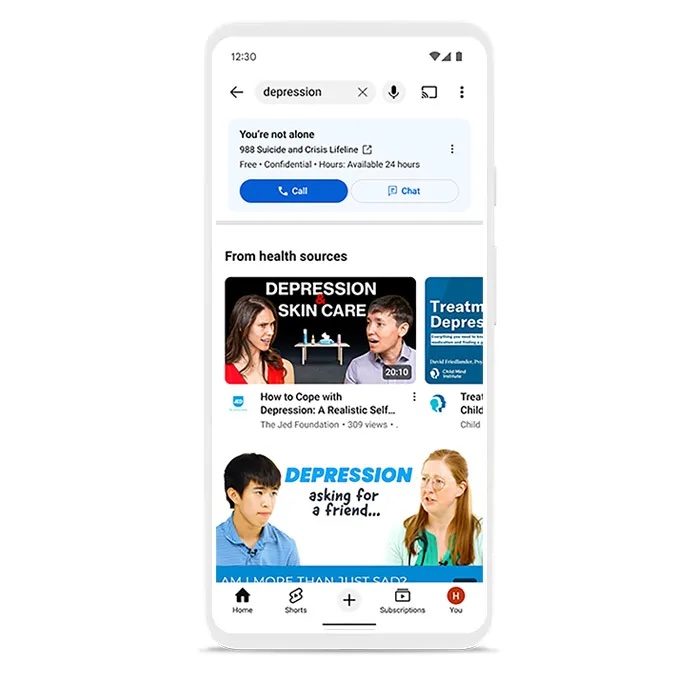
This is important because: Teens already rely on YouTube to understand their feelings or mental struggles. However, the mix of content present online is quite unpredictable, ranging from motivational talks to dangerously misleading clips.

  • This new hub can reduce misinformation by putting content from trusted sources in the spotlight
  • It meets adolescents on a platform they are comfortable with, making it more likely that they will engage
  • Expert advice from mental health organizations is better than leaving it all to algorithmic curation
  • This update also aligns with YouTube’s health information panels, this time with credibility from trusted organizations
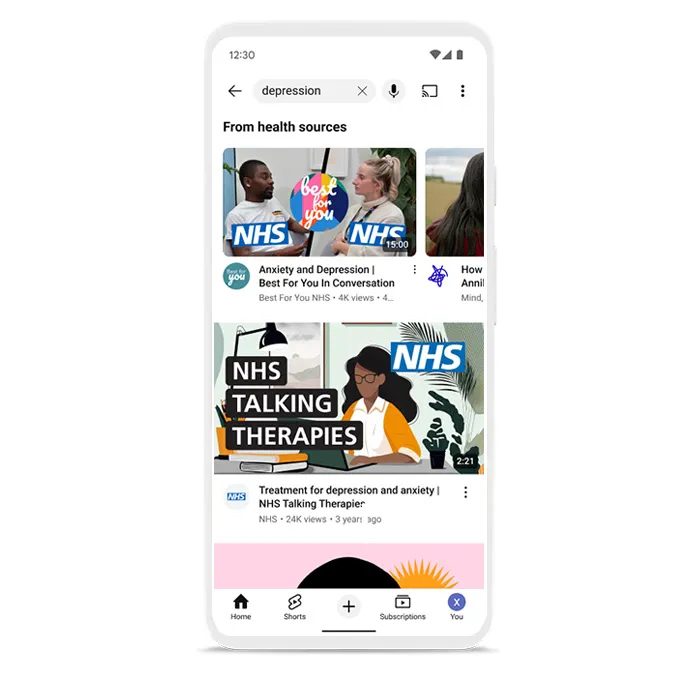
Why should I care? Even if you’re not a teenager, this matters in how we expect social platforms to behave and how accessible mental health support is.

  • Teens will now have a safer space to learn about mental health
  • YouTube’s move could push other platforms like Snapchat, TikTok, and Instagram to build similar tools
  • Creators who make wellness content will get clearer signals about what’s ethical and effective
  • When platforms visibly care about wellness, it can reduce stigma, normalize help-seeking, and direct more people to support
Recommended Videos

YouTube’s new teen mental health shelf might not solve every issue, but it’s a step toward safer, smarter digital spaces.

Manisha Priyadarshini
Manisha Priyadarshini is a tech and entertainment writer with over nine years of editorial experience.
Motorola’s next Edge phone could make Android’s MagSafe moment cheaper than Google did
Motorola Edge 70 Max is next in line with magnetic charging
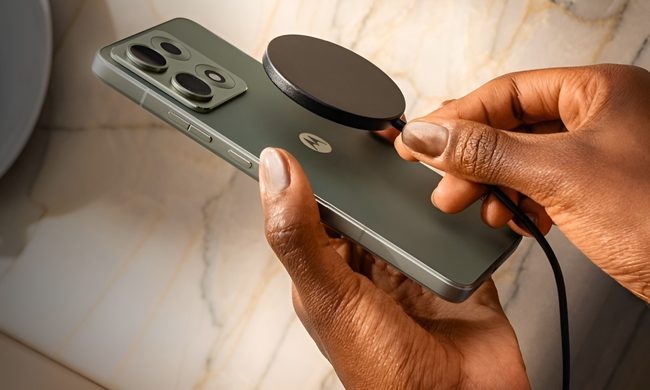
Motorola Edge 70 Max with a magnetic charger

Motorola could be adopting Qi2 wireless charging technology, joining Google Pixels and Apple iPhones for magnetic charging support. While Android's Qi2 rollout has been oddly frustrating, the company's upcoming Edge phone could be the first to bring it to a non-flagship model.

A Wireless Power Consortium listing has revealed the Motorola Edge 70 Max, while another leak has revealed more details regarding its specs and features. We also get a look at some of the leaked promo material that shows magnetic Qi2 in action.

Read more
Google starts testing Gmail Live, its new voice search tool for your inbox
The feature lets you ask questions about your inbox with your voice and is set to roll out later this summer.
Gmail Live screenshot on gradient background

At I/O this year, Google showcased Gmail Live, a new Gemini-powered feature that lets users search their inbox using their voice instead of typing. The feature has now moved into testing, with 9to5Google reporting that it's rolling out to a small group of Android and iOS users this week.

How Gmail Live works

Read more
Apple and Google sat for discussions to unlock 50W wireless charging for smartphones
Wireless Charger

The next major leap in wireless charging may not come from a flashy smartphone launch, but from behind closed doors where some of the biggest names in the tech industry are working together, according to an ITHome report.

Apple, Google, Xiaomi, and several other leading technology companies recently gathered in Beijing for the Wireless Power Consortium's (WPC) Qi Off-cycle Meeting, where discussions centered around the upcoming Qi 50W wireless charging standard. The four-day event, hosted by Xiaomi, focused on refining technical specifications, testing prototype hardware, and ensuring devices from different brands can work seamlessly together.

Read more