1. Home
  2. Computing
  3. Legacy Archives

Apple Buys Low-Power Chipmaker P.A. Semi

Add as a preferred source on Google
Apple Buys Low-Power Chipmaker P.A. Semi
Image used with permission by copyright holder

Although neither company has yet to publicly confirm the the story, Forbes is reporting that Apple has entered into an agreement to buy low-power chipmaker P.A. Semi. Sources close to P.A. Semi put the deal in the $250 to $300 million range, although no exact figure has emerged.

P.A. Semi was founded in 2003 by Dan Dobberpul, who was a key designer on DEC’s Alpha and StrongARM processors, and the company currently develops high-performance, low-power chips for the telecommunications and wireless market.

Recommended Videos

No current Apple products use P.A. Semi processors, but industry speculation has Apple looking to PA Semi for chips to power future iPhones, as well as possible future iPods and other consumer electronics devices. Apple currently sources the iPhone processor from South Korea’s Samsung, based on designs licensed from the UK’s ARM. (Apple was one of the companies that formed ARM back in 1990, and, indeed, sales of ARM Holdings stock were about the only thing that kept the company’s head above the red line during some difficult financial quarters in the mid-1990s.) However, companies building ARM-based processors are increasingly looking to enter the ultra-mobile PC and mobile Internet device (MID) markets—and consuming more power as they grow. Purchasing P.A. Semi may give Apple a low-power option for its devices that is neither Intel’s Atom processor, or an overburdened ARM processor from another supplier.

Apple had been working with P.A. Semi a few years ago when the company was mulling its transition away from PowerPC processors. At the time, P.A. Semi was offering a 64-bit microprocessor that consumed a maximum of 13 watts at 2 GHz. Apple eventually went with Intel processors for its desktop and portable computers.

Geoff Duncan
Former Contributor
Geoff Duncan writes, programs, edits, plays music, and delights in making software misbehave. He's probably the only member…
TSMC might set up a price hike that could come straight for your next phone, laptop, or tablet
Here's what TSMC's rumored 10% chip price increase actually means in dollar terms, and why your next phone or laptop could end up costing more.
TSMC Fab

My wallet flinched the second I saw the words "TSMC" and "price increase" in the same headline, and honestly, yours should too.

Turns out the company behind the silicon powering basically every flagship device out there, including Apple’s A-series and Qualcomm’s Snapdragon processors, is reportedly about to make all of it a little pricier.

Read more
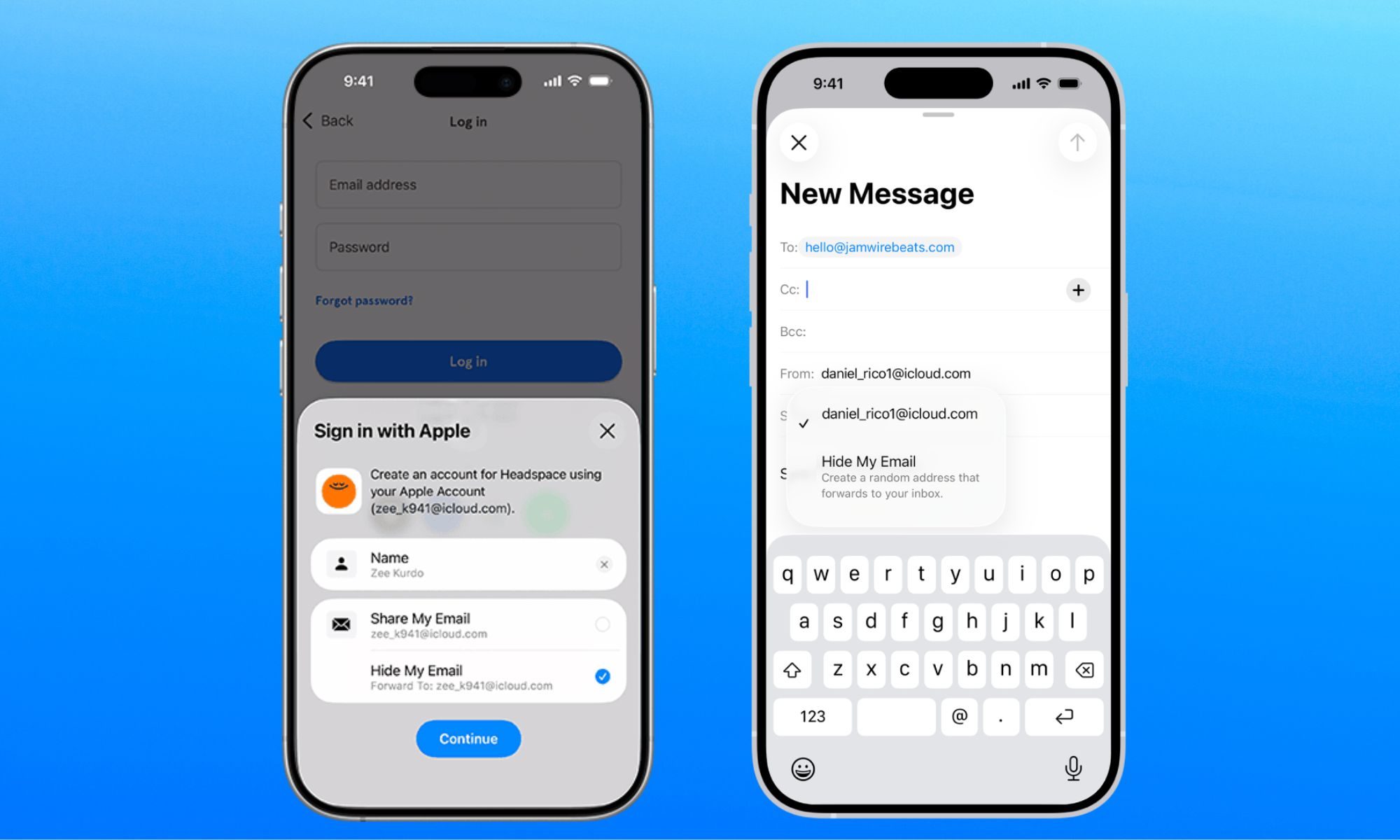
Apple fixes Hide My Email bug that exposed users’ real email addresses
Here's how Apple's Hide My Email flaw leaked real addresses for over a year, and why it only got fixed once the story went public.
apple-merging-sign-in-with-apple-hide-my-email-icloud+

Turns out the "Hide" part of Hide My Email wasn't doing its job quite as advertised, something that I covered early in July. Security researcher Tyler Murphy reported the flaw in June 2025, but despite Apple claiming it was resolved in March 2026, independent tests confirmed it remained exploitable, at least until July 3, 2026.

So how did this bug actually work?

Read more
Gemini Notebook’s new Collections arrive just as Google turns it into a bigger workspace
Google is cleaning up notebook organization as the former NotebookLM expands across Gemini and Search
Gemini Notebook branding on a MacBook

Google has barely finished renaming NotebookLM, and it’s already addressing one of the headaches that comes with building a large research library.

Collections are rolling out to all Gemini Notebook users, giving them a way to group related notebooks while keeping everything visible under My Notebooks. The dashboard gets some structure without asking users to rearrange the library they’ve already built.

Read more