1. Home
  2. Audio / Video
  3. Legacy Archives

Beats Music drops API, hopes other apps will soon bundle in compatibility

Add as a preferred source on Google

The streaming service Beats Music, still in its infancy at a mere month-and-a-half old, today unveiled its API (application programming interface), effectively opening the door to app designers looking to bake in connectivity to the $120-a-year subscription player. An API is a tool that programmers can use to create compatibility between two different programs or types of software — a blueprint, of sorts.

Within Beats Music’s API, programmers will find the company’s catalog of more than 20 million tracks, in addition to music metadata, personal recommendations, curated content and album/artist art.

Recommended Videos

This isn’t the first instance of an online music-streaming service releasing its API to the public — Spotify and Rdio came before, with the same hopes of developers spreading app compatibility like pollen in the wind. 

Released in mid-January, Beats Music hasn’t been around very long, but because it came into town on the same hype-horse that Beats originally rode onto the scene with, the service already sits atop a tall wave of press and hubbub. As a contender of Spotify, an API release — even this early — couldn’t hurt.

Alex Tretbar
Former Digital Trends Contributor
Alex Tretbar, audio/video intern, is a writer, editor, musician, gamer and sci-fi nerd raised on EverQuest and Magic: The…
Proton reveals how smart TVs track you and the escape situation is pretty grim 
Modern smart TVs fingerprint your screen content at the chipset level.
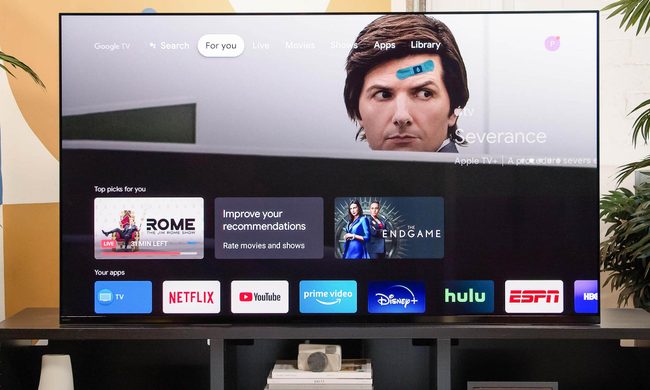
Google TV applications on the Sony A95K TV.

Your smart TV may know far more about your viewing habits than you realize, even if you rarely use its smart features. In a new privacy explainer, Proton warns that many modern TVs quietly collect data about everything displayed on the screen and share it with manufacturers, advertisers, and analytics companies.

The worrying part is that escaping this tracking is becoming increasingly difficult because many privacy controls are buried deep in settings or enabled by default. Proton argues that buying a smart TV today often means accepting a level of surveillance that most people never knowingly signed up for.

Read more
LG is cracking down on smart TV apps that quietly turn your TV into a secret proxy
LG OLED Settings

If you own an LG smart TV, there's a chance one of your harmless-looking apps has been moonlighting as an internet relay for someone else's traffic. According to a report from KrebsOnSecurity, LG says it's finally stepping in to stop this menace. This week, the company confirmed it plans to suspend any webOS app that turns a TV into what's called a residential proxy node.

The move follows a report from security firm Spur, which found that more than 42 percent of apps on LG's webOS store include SDKs that quietly reroute internet traffic through your TV, indefinitely. Samsung isn't spared either, with over a quarter of Tizen apps carrying similar code.

Read more
The LG C6 OLED is great out of the box. These settings make it even better.
From Filmmaker Mode to shadow detail and AI Sound Pro, these are the settings that made the biggest difference after a month of testing the LG C6 OLED.
LG OLED Settings

The LG C6 OLED is one of the best mid-range OLED TVs you can buy right now. After spending the past month testing and using it every day, one thing became clear: straight out of the box, you're leaving picture quality on the table.

The good news is that getting more out of the TV doesn't require professional calibration or hours spent digging through menus. A handful of small adjustments can make movies look more cinematic, improve shadow detail, smooth out motion and even make the built-in speakers sound noticeably better. Here are the exact settings I've been using after living with the LG C6.

Read more